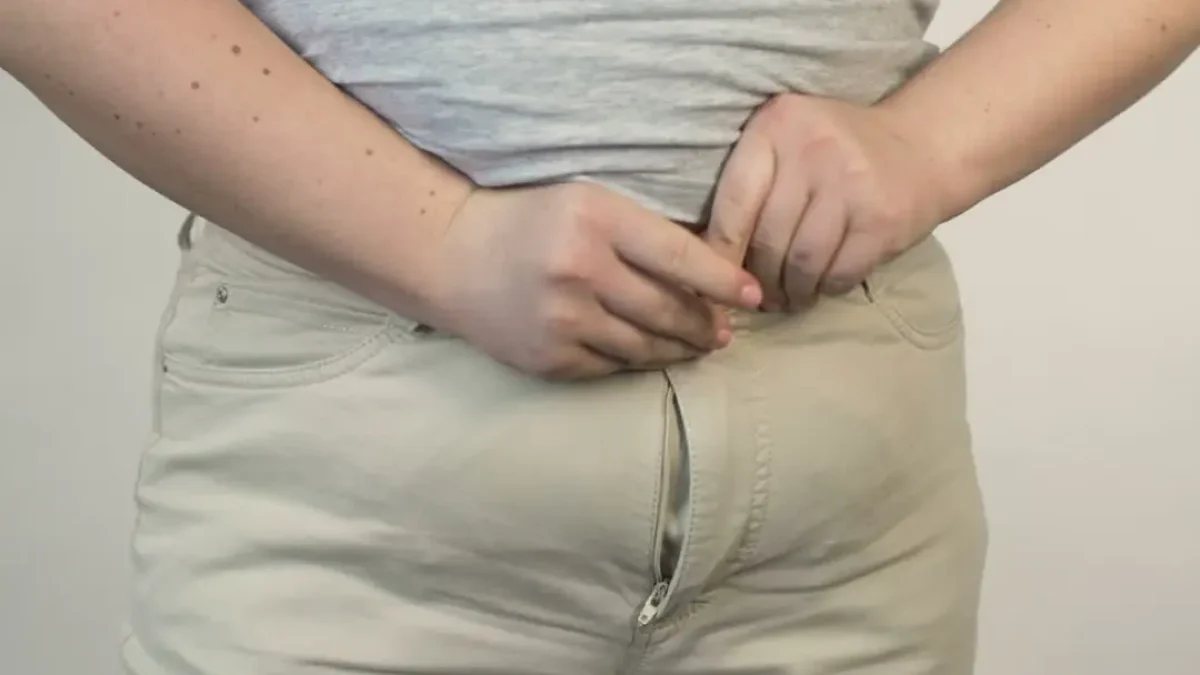
The Hormone Trifecta: Why Weight Shifts to the Abdomen
1. Estrogen Decline and Visceral Fat Re-distribution
2. Insulin Resistance and Blood Sugar Spikes
3. Elevated Cortisol and Chronic Stress
Clinical Evidence: Targeted Strategies for Metabolic Balance
- Clinical Insight: Research demonstrates that activating AMPK improves cellular glucose uptake, enhances insulin sensitivity, and helps reduce visceral fat accumulation similarly to conventional metabolic modulators.
Why Does Fat Move to the Belly During Menopause?
For most of your life, your body followed a hormonal “map” and estrogen was the one drawing it.
One of estrogen’s lesser-known roles is deciding where fat is stored. Under its influence, fat is usually stored in the hips, thighs, and buttocks. This type of fat is called subcutaneous fat, and it’s actually less harmful to your health.
But during menopause, estrogen levels drop.
And when that happens, your body changes strategy.
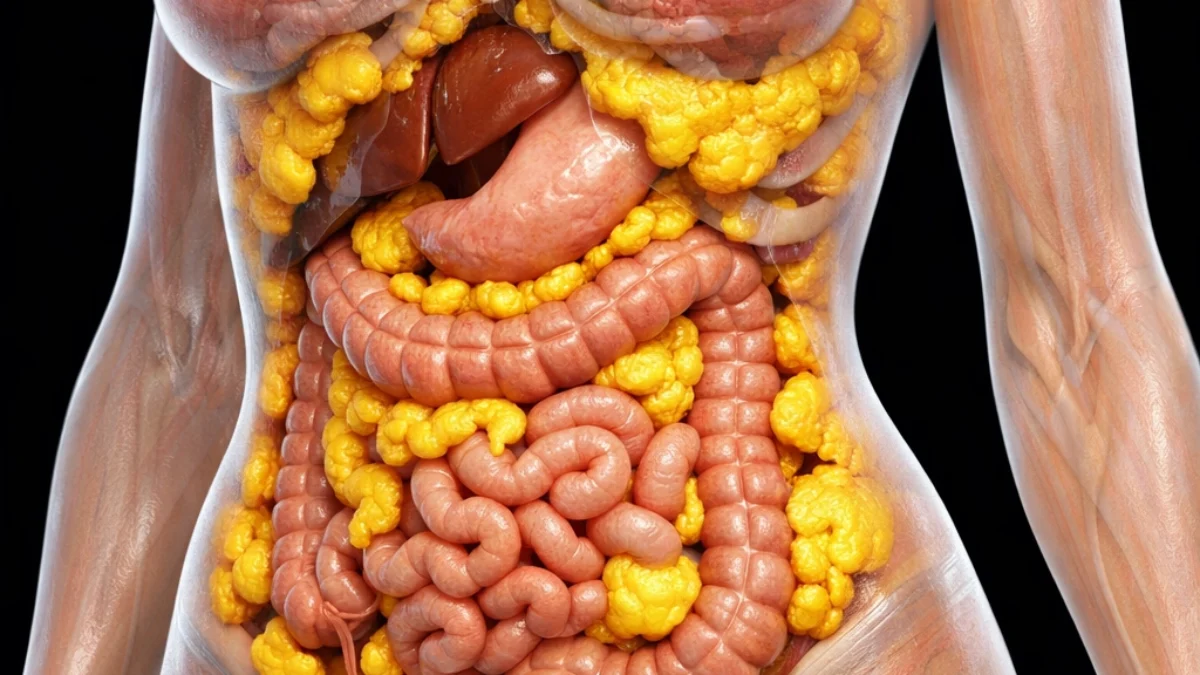
Instead of storing fat in those “safer” areas, it begins to store fat around the abdomen especially visceral fat, which surrounds your internal organs.
👉 That’s why your belly may grow even if nothing else changes.
And no you’re not imagining it.
Visceral Fat vs Subcutaneous Fat: Why It Matters
This is not just about appearance.
Visceral fat behaves very differently from subcutaneous fat.
While subcutaneous fat sits under the skin, visceral fat is metabolically active, meaning it constantly releases substances into your bloodstream.
This leads to:
- Increased inflammation
- Higher risk of insulin resistance
- Greater difficulty losing weight
And here’s where the cycle begins…
Insulin Resistance: The Silent Driver
As visceral fat increases, your body becomes less sensitive to insulin — the hormone that helps move sugar from your blood into your cells.
To compensate, your body produces more insulin.
And here’s the problem:
👉 High insulin levels promote fat storage especially in the belly.
So now you have a loop:
- More belly fat → more insulin resistance
- More insulin → more belly fat
And the cycle continues.

- Prioritize Protein and Soluble Fiber: Increase dietary protein to preserve lean muscle mass (sarcopenia prevention) and incorporate soluble fiber (like inulin or psyllium) to slow glucose absorption and curb insulin spikes.
- Shift to Resistance Training: Prolonged high-intensity cardio can elevate cortisol. Instead, focus on strength training 3 times a week. Building muscle increases resting metabolic rate and enhances non-insulin-dependent glucose uptake.
- Optimize Sleep & Evening Stress: Take Magnesium Glycinate before bed to promote deep sleep, reduce nocturnal cortisol spikes, and improve morning insulin sensitivity.
All information shared in this article has a scientific basis and has been prepared with rigour but there is a step that cannot be skipped before starting any supplement: consulting your doctor or pharmacist.
Berberine, in particular, presents clinically relevant drug interactions that must not be underestimated. It can potentiate the effect of oral antidiabetics (such as metformin) and insulin, with risk of hypoglycaemia; it interferes with the hepatic metabolism of several drugs through cytochrome P450 enzymes (CYP3A4 and CYP2D6); it may interact with anticoagulants such as warfarin, increasing haemorrhagic risk; and it should not be used simultaneously with cyclosporine or other immunosuppressants without rigorous medical monitoring.
Inositol is generally well tolerated, but at high doses may cause gastrointestinal effects; women with hypothyroidism should inform their doctor before starting supplementation. Magnesium, despite its excellent safety profile, may interact with fluoroquinolone and tetracycline antibiotics (reducing their absorption), with bisphosphonates used in osteoporosis, and may have a laxative effect at high doses.
Beyond drug interactions, it is essential to emphasise that symptoms such as rapid abdominal fat accumulation, persistent fatigue, significant mood changes and sleep disturbances deserve medical evaluation not only to confirm that this is “normal” menopause, but to rule out conditions such as hypothyroidism, Cushing’s syndrome or severe insulin resistance that require specific therapeutic management.
Self-medication is never harmless. “Natural” does not automatically mean “safe for everyone”. What this article offers is scientific literacy the ability to arrive at your appointment with the right questions and have a more informed conversation with your doctor. The therapeutic decision always belongs to the clinical team that accompanies you.
Frequently Asked Questions – FAQs
What causes “menopause belly” even with diet and exercise?
Can natural supplements help reduce menopausal visceral fat?
What is the best type of exercise for belly fat during menopause?
Can menopause belly go away?
Yes, with the right approach focused on hormones, lifestyle, and metabolism.
More information: https://www.ncbi.nlm.nih.gov/
Scientific Studies:
Asikainen, T.M., Kukkonen-Harjula, K., & Miilunpalo, S. International Journal of Obesity — 2004
Afonso, R.F., Hachul, H., Kozasa, E.H., et al. Menopause: The Journal of the Menopause Society — 2012
Written and reviewed by: Dr. Vilma Mendonça – Pharmacist
AI Images
One Response