Reviewed by Pharmacist Vilma Mendonça, CRF 9930RJ – Specialist in Phytotherapy and Homeopathy
This article contains links to the products on Amazon.
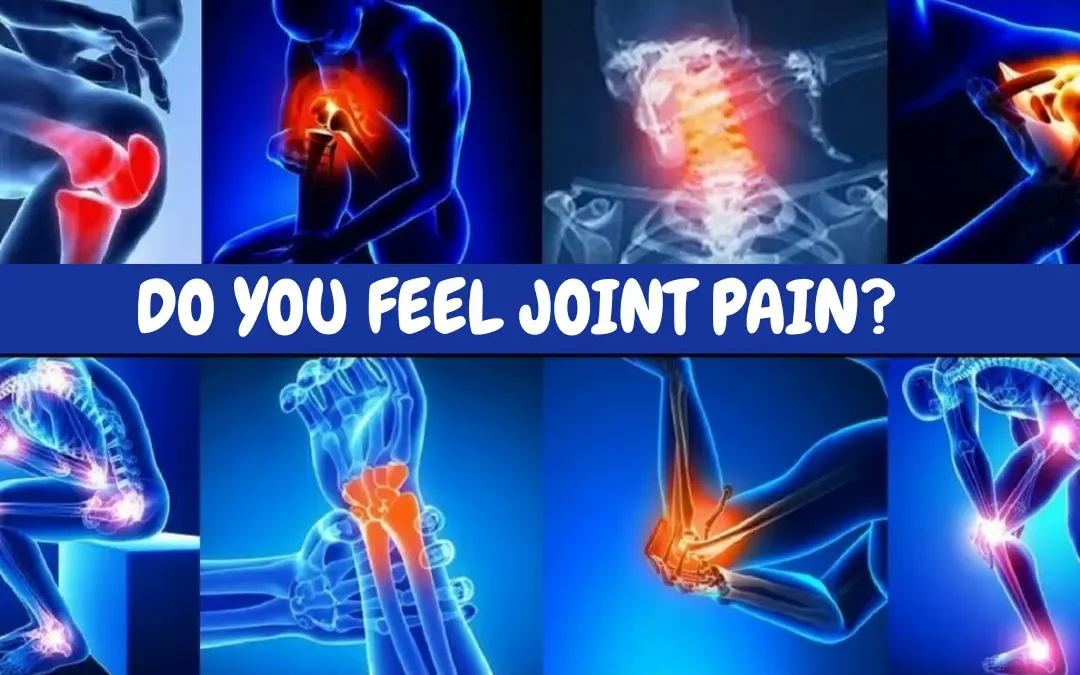
Menopause brings many changes to a woman’s body, and joint pain is one of the most common complaints among women aged 50 to 60. Morning stiffness, difficulty climbing stairs, clicking knees, and hand discomfort are frequent issues. But why does this happen? What steps can you take to improve your quality of life?
* Change certain daily habits, such as:
– Doing stretching exercises
– Avoiding poor sleep
– Engaging in physical activity to strengthen muscles, if possible.
And can supplements help alleviate these symptoms?
In this article, we will explain in simple terms:
Why joints become weaker during menopause.
The role of calcium and vitamin D in prevention.
Key supplements for joint health.
How diet can help you care for your joints naturally.
Why do joints hurt more during menopause?
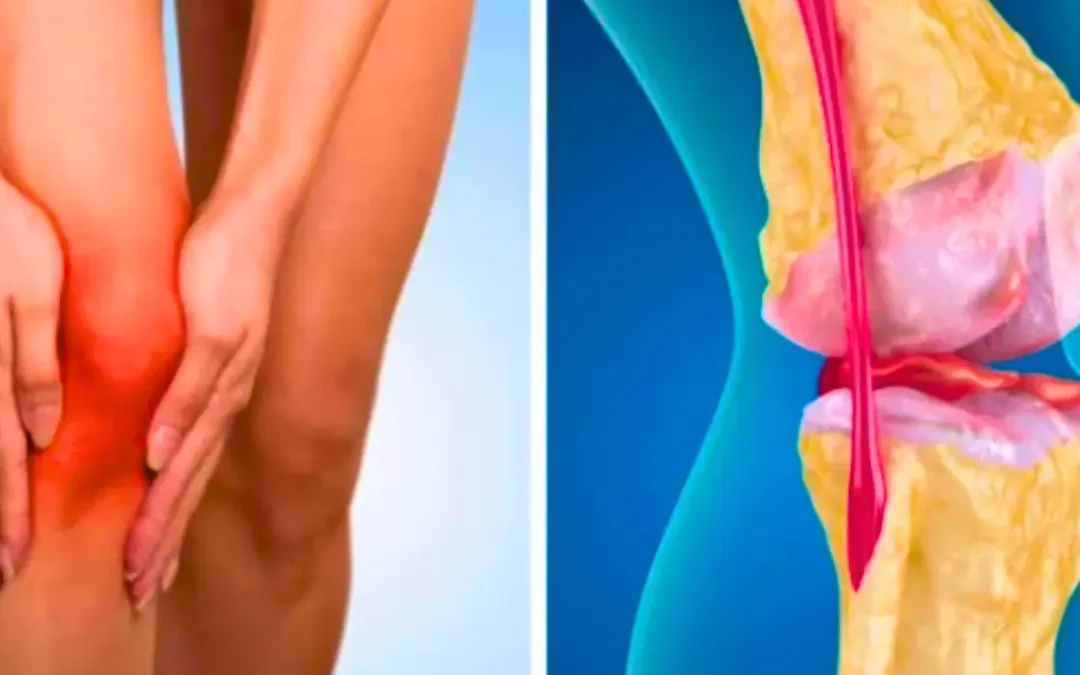
The primary culprit is the sharp drop in estrogen a vital hormone that acts as a natural shield for both bones and cartilage. As these protective levels decline, cartilage loses its elasticity; it thins out and can no longer effectively cushion the joint. Without this buffer, the bones begin to rub directly against each other, triggering the pain, inflammation, and stiffness typical of the early stages of osteoarthritis a condition that becomes increasingly common after age 50.
How to prevent joint damage

How do vitamin D and calcium prevent bone loss during menopause?
Maintaining bone density during menopause is crucial, as the drop in estrogen levels accelerates bone resorption. Adequate daily calcium intake, combined with optimal vitamin D levels, forms the physiological foundation for preventing osteoporosis and helps reduce joint inflammation and the risk of fractures in postmenopausal women. To naturally stimulate vitamin D production, aim to expose your arms and legs to sunlight without protection for 15 to 20 minutes daily during safe hours.
Vitamin D acts as an active hormone, regulating calcium absorption in the intestine and supporting muscle function, which directly protects the joints during aging.
The scientific link between vitamin D deficiency and joint pain during menopause.
The connection between hormonal changes and skeletal health is well-established by clinical research. A study published in the *Revista Brasileira de Reumatologia* (Reis et al., 2017) demonstrated that vitamin D deficiency in postmenopausal women is directly linked to accelerated bone loss and an increased risk of joint disorders.
Without sufficient vitamin D, the body cannot properly utilize even a calcium-rich diet, leaving women vulnerable to osteoporosis and chronic joint inflammation during the menopausal transition.
Supplements for those already experiencing joint pain

What are the best supplements for joint pain and mobility during menopause?
When joint wear and cartilage degradation begin during menopause, it is crucial to focus on repairing structural tissue and managing localized inflammation.
Clinically proven supplements such as glucosamine, chondroitin, MSM, and type II collagen work synergistically to reduce pain and restore joint lubrication, thereby improving overall flexibility and physical mobility.
Glucosamine + Chondroitin + MSM: This pharmacological trio delivers essential glycosaminoglycans directly to the joint matrix.
It promotes healthy synovial fluid production, lubricates the friction surfaces between bones, and modulates chronic inflammation. Continuous use has been clinically shown to alleviate stiffness.
Undenatured Type II Collagen:
As the primary structural protein in articular cartilage, specific supplementation with type II collagen supports endogenous cartilage repair and helps preserve joint elasticity, significantly relieving daily discomfort.
Calcium and Vitamin D: Even after joint symptoms appear, maintaining therapeutic levels of vitamin D and calcium remains indispensable. These nutrients promote bone mineralization and help prevent the progression of systemic osteoporosis.
Clinical safety of joint supplementation in postmenopausal women.
Assessing therapeutic safety is a critical step in clinical pharmacology, especially for women undergoing hormonal transitions.
A clinical study published in the journal *Breast Cancer Research and Treatment* (Chaganti et al., 2012) confirmed the safety of glucosamine and chondroitin supplementation in postmenopausal women.
This reinforces the role of these compounds as viable, low-risk options when used under medical supervision.
Nutrition: a natural treatment for joint health

What is the best anti-inflammatory diet for menopausal joint pain?
Adopting an anti-inflammatory diet is key to naturally managing joint pain associated with menopause.
As estrogen levels decline, systemic inflammation can accelerate cartilage wear.
Consuming specific, nutrient-rich foods helps inhibit inflammatory pathways, preserves joint cartilage, and supports bone density particularly in women over 45.
To naturally nourish your musculoskeletal system and relieve joint stiffness, prioritize these dietary essentials:
Lean proteins and essential amino acids:
Include organic chicken, eggs, and fatty fish (such as wild salmon).
These provide the protein building blocks vital for cellular repair and collagen synthesis, helping to protect tissues during aging.
Antioxidant-rich phytonutrients: Fill your plate with colorful fruits and leafy green vegetables. Packed with polyphenols, these antioxidants combat oxidative stress a major factor in chronic joint inflammation and bone loss during the menopausal transition.
Healthy fats from nuts and seeds:
Walnuts, chia seeds, and flaxseeds provide plant-based alpha-linolenic acid (ALA) and omega fatty acids, which naturally support joint lubrication and health.
Bone broth:
A natural superfood for joint cartilage and collagen synthesis.
Beyond your daily meals, including traditional bone broth is a powerful, scientifically proven strategy to protect your structural health.
It is rich in type II collagen, gelatin, and essential trace elements. High-quality bone broth provides the ideal combination of glycine, proline, and glucosamine.
It is essential for rebuilding joint cartilage and relieving pain.
To view a complete recipe and pharmacist-verified information as this food benefits the body consult our dedicated guide on…
Conclusion: Active Prevention and Pharmacological Guidance
for Joint Health During Menopause.
Joint pain during the menopausal transition is a physiological symptom that can be managed it is not an inevitable part of aging. By combining safe, daily sun exposure, targeted optimization of calcium and vitamin D levels, and the use of joint supplements always backed by clinical evidence and expert guidance women over 45 can effectively preserve joint mobility and bone density in the long term.
However, since biochemical profiles and pre-existing health conditions vary, personalized pharmacotherapeutic guidance is essential.
Before starting any supplementation protocol, consult your doctor or pharmacist.
Only a qualified professional can recommend precise therapeutic dosages, assess potential interactions between medications and supplements, and ensure a safe, scientifically validated treatment plan tailored to your medical history.
Menopause-related joint pain and supplements: Frequently Asked Questions (FAQ)
Can vitamin D and calcium completely reverse menopause-related joint pain?
While vitamin D and calcium are vital for bone mineralization and osteoporosis prevention, they primarily maintain the skeleton’s structural integrity rather than instantly reversing joint pain.
For active cartilage repair and symptom relief, it is necessary to combine them with an anti-inflammatory diet and targeted supplements, such as type II collagen.
How long does it take to notice improvements with joint supplements like glucosamine and chondroitin?
Clinical evidence suggests that noticeable reductions in joint stiffness and discomfort require consistent, long-term therapeutic use. Most women report significant improvements in physical mobility and joint comfort after 8 to 12 weeks of daily supplementation,
provided the dosages align with clinically established pharmacological protocols.
Is it safe to start taking joint supplements without consulting a pharmacist or doctor?
Starting any new supplementation regimen without professional guidance is not recommended. During the transition to menopause,
a pharmacist or doctor should evaluate your metabolic profile, kidney safety, and potential drug-nutrient interactions to determine an effective and safe dosage tailored to your individual health status and medical history.
Scientific References
-
Reis, J. G. et al. Vitamin D and menopause: implications for bone and muscle health. Revista Brasileira de Reumatologia, 2017.
-
Chaganti, R. K. et al. Glucosamine and chondroitin in women receiving adjuvant aromatase inhibitor therapy for breast cancer: phase II safety trial. Breast Cancer Research and Treatment, 2012.
-
Khalid, F. et al. Relationship of vitamin D levels, bone mineral density, and primary knee osteoarthritis in postmenopausal women: a cross-sectional study. Egyptian Rheumatology and Rehabilitation, 2025.
8 Responses