
Abdominal fat gain is one of the most frustrating changes many women notice during menopause. Often, it appears even without significant changes in diet or lifestyle, leading to discomfort, body dissatisfaction and health concerns. While supplements are widely discussed as possible allies, understanding what truly supports metabolic balance during menopause is essential.
This article explains why abdominal fat becomes more common during menopause, which supplements may help support overall health, and what should be avoided always with a realistic, science-based perspective.
👉 Related article: https://mariahchic.com/menopause/joint-pain-in-menopause
Why Does Abdominal Fat Increase During Menopause?
During menopause, estrogen levels decline significantly. Estrogen plays an important role in regulating fat distribution, insulin sensitivity and energy metabolism. As hormone levels shift, the body tends to store more fat in the abdominal region, especially visceral fat, which surrounds internal organs.
Additionally, menopause is often associated with:
-
reduced muscle mass
-
slower metabolic rate
-
increased insulin resistance
-
higher cortisol levels linked to stress and poor sleep
These factors combined make abdominal fat more persistent and harder to reduce.
Importantly, this is not just an aesthetic issue. Excess abdominal fat is associated with increased risk of cardiovascular disease, metabolic disorders and chronic inflammation.
👉 Related article: https://mariahchic.com/menopause/menopause-natural-alternatives
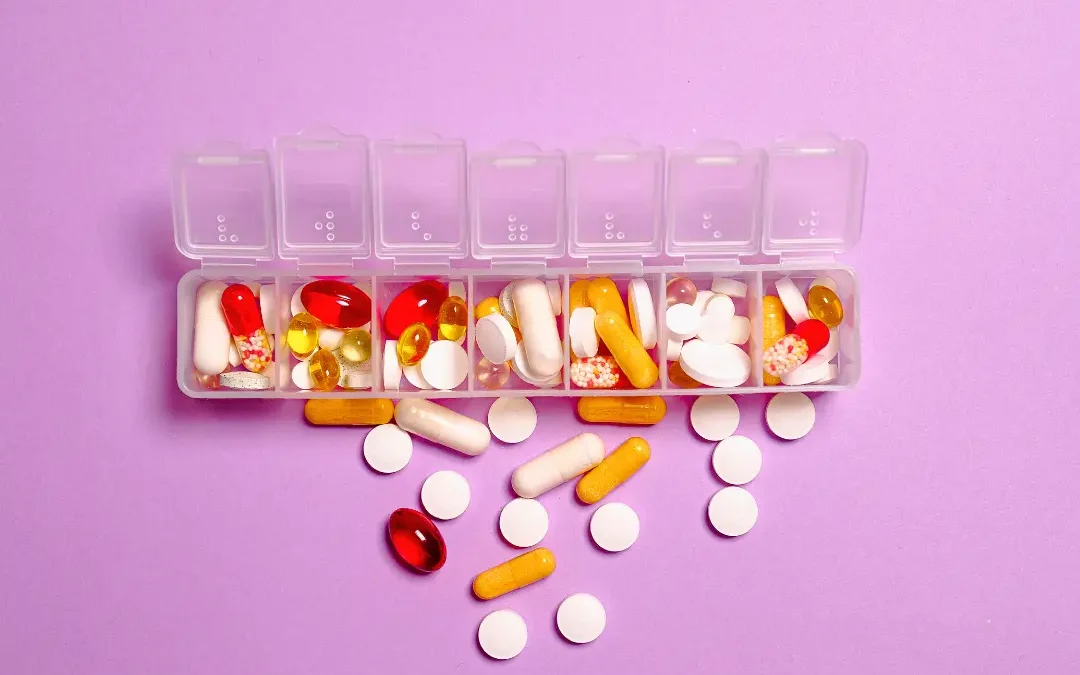
Can Supplements Help Reduce Abdominal Fat During Menopause?
Supplements should not be seen as a quick solution or fat-burning shortcut. Instead, they may act as supportive tools when combined with proper nutrition, physical activity and medical follow-up.
The goal of supplementation during menopause is to:
-
support metabolic health
-
reduce inflammation
-
improve insulin sensitivity
-
support muscle preservation
-
promote hormonal and emotional balance
Key Supplements Commonly Used During Menopause
Omega-3 Fatty Acids
Omega-3s help reduce systemic inflammation and may support metabolic health. Chronic low-grade inflammation is common during menopause and is linked to abdominal fat accumulation.
Potential benefits:
-
supports cardiovascular health
-
may improve insulin sensitivity
-
contributes to overall metabolic balance
Vitamin D
Low vitamin D levels are common during menopause and have been associated with increased fat mass, reduced muscle strength and metabolic dysfunction.
Potential benefits:
-
supports muscle function
-
contributes to bone health
-
may influence fat distribution and metabolic regulation
Calcium
Calcium remains essential during menopause, especially for bone health. Adequate calcium intake, combined with vitamin D, also supports muscle contraction and overall metabolic efficiency.
Magnesium
Magnesium plays a role in glucose metabolism, muscle function and nervous system regulation. Deficiency may worsen fatigue, insulin resistance and stress all factors linked to abdominal fat accumulation.
Phytotherapy: What Can Be Considered?
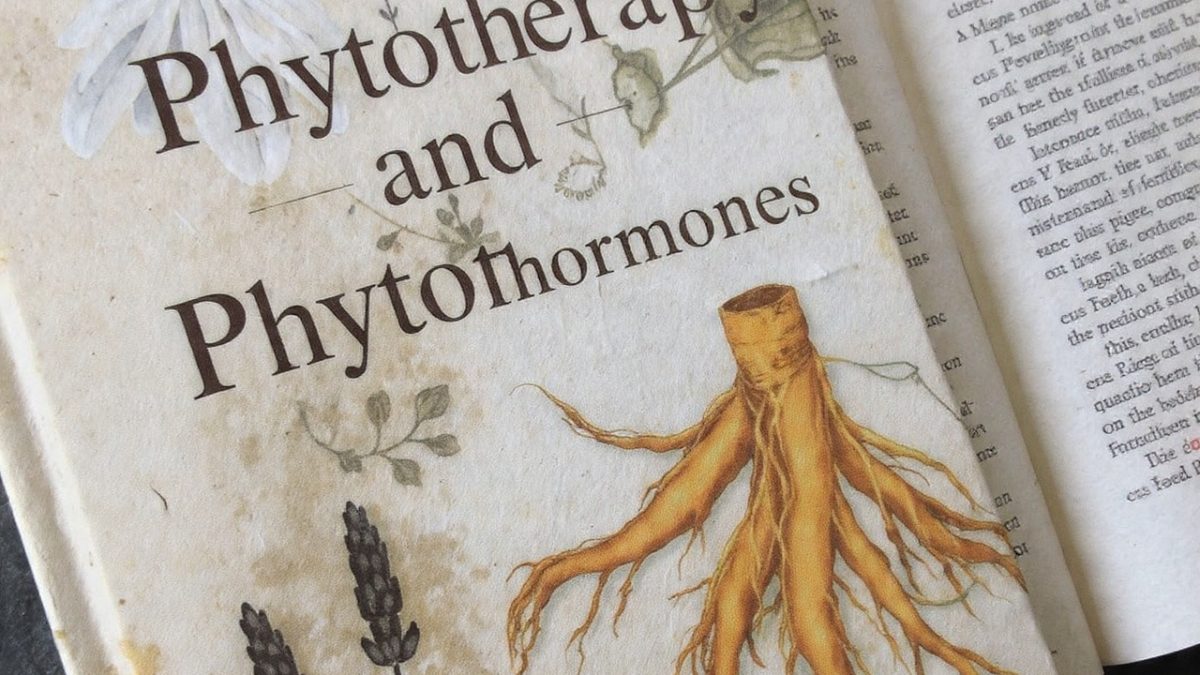
Some herbal remedies may be used as complementary support, particularly when abdominal fat is associated with fluid retention, stress, anxiety or hormonal imbalance.
Hibiscus (Hibiscus sabdariffa)
Hibiscus tea is widely used as a natural diuretic, helping reduce abdominal bloating and water retention. By increasing urinary flow, it may support the elimination of excess fluids and metabolic waste, which often contribute to the sensation of abdominal swelling during menopause.
Potential benefits:
-
reduces bloating
-
supports fluid balance
-
contributes to metabolic support
Green Tea (Camellia sinensis)
Green tea contains catechins and antioxidants that support metabolic function and may assist in the elimination of toxins. While it does not directly “burn fat,” it can support energy metabolism and overall metabolic health.
Potential benefits:
-
antioxidant support
-
metabolic stimulation
-
supports detoxification pathways
Adaptogenic Herbs
Some adaptogenic plants are traditionally used to help the body cope with stress and regulate cortisol levels. Since elevated cortisol is linked to abdominal fat accumulation, stress regulation becomes an important strategy during menopause.
Forms of Use
These phytotherapeutic agents can be found in:
-
teas
-
capsules
-
standardized extracts
They should always be used with professional guidance, especially for women taking medications or managing chronic conditions.
👉 Related article: https://mariahchic.com/menopause/isoflavone-for-menopause
Lifestyle Factors That Influence Abdominal Fat

Nutrition
During menopause, excess intake of ultra-processed foods, refined sugars and alcohol can worsen insulin resistance and promote fat accumulation.
A menopause-friendly diet should focus on:
-
lean protein
-
fiber-rich vegetables
-
healthy fats
-
adequate calcium and magnesium intake
Physical Activity
Exercise is essential for preserving muscle mass and improving metabolic health.
Recommended activities include:
-
walking
-
swimming
-
Pilates
-
resistance training
Maintaining muscle mass helps increase resting metabolic rate and reduces fat accumulation.
Sleep and Stress Management
Poor sleep quality and chronic stress increase cortisol levels, which directly impact abdominal fat storage. Supporting emotional well-being is a fundamental part of weight management during menopause.
Medical Monitoring Is Essential
Before starting any supplementation, women should undergo proper medical evaluation. Hormonal changes, thyroid function, vitamin deficiencies and metabolic markers must be assessed to ensure safe and effective strategies.
Self-supplementation without guidance may lead to imbalances or interactions.
👉 Related article: https://mariahchic.com/menopause/phytohormones-for-menopause/
Conclusion
Abdominal fat during menopause is a common and multifactorial issue driven by hormonal, metabolic and lifestyle changes. Supplements may offer supportive benefits, but they are not standalone solutions.
The most effective approach combines:
-
balanced nutrition
-
regular physical activity
-
stress management
-
appropriate supplementation
-
ongoing medical follow-up
Understanding the body’s changes during menopause allows women to make informed, realistic and sustainable health decisions.
Scientific Studies
- Body fat distribution and menopause
Published in 2014 – Journal of Clinical Endocrinology & Metabolism - Visceral fat accumulation and metabolic risk in postmenopausal women
Published in 2018 – Menopause: The Journal of The North American Menopause Society
Written and reviewed by: Dr. Vilma Mendonça – Pharmacist
2 Responses