
Vasomotor symptoms commonly known as hot flashes and night sweats are among the most prevalent and disruptive symptoms of perimenopause and postmenopause. Affecting up to 80% of women, a hot flash manifests as a sudden, intense sensation of heat spreading across the face, neck, and chest, often accompanied by profuse sweating, skin flushing, and a racing heartbeat.
Far from being a simple peripheral issue, hot flashes are biologically rooted in complex neuroendocrine disruptions within the brain. Understanding the science of thermoregulation empowers you to reduce their frequency and severity using evidence-based natural solutions.
The Neurobiology of Hot Flashes: Why Your Internal Thermostat Resets
The body’s central thermostat is located in the hypothalamus, a region of the brain responsible for maintaining core body temperature within a very narrow “thermoregulatory zone.”
1. KNDy Neurons and Hypothalamic Dysfunction
Estrogen plays a direct role in stabilizing hypothalamic activity. As estradiol levels fluctuate and decline:
- A specialized group of hypothalamic cells called KNDy neurons (Kisspeptin, Neurokinin B, and Dynorphin neurons) becomes hypertrophied and overactive.
- Elevated Neurokinin B (NKB) signaling narrows the brain’s thermoregulatory neutral zone.
- As a result, even minute variations in ambient temperature trigger an exaggerated “heat-dissipation response,” causing sudden vasodilation, sweating, and heart palpitations.
2. Neurotransmitter Imbalances: Serotonin & Norepinephrine
Estrogen depletion alters central levels of serotonin and norepinephrine, the neurotransmitters regulating mood and vascular tone. Elevated norepinephrine lowers the sweating threshold, causing the brain to misinterpret normal body temperature as dangerously high.
Clinical Evidence: Science-Backed Natural Remedies
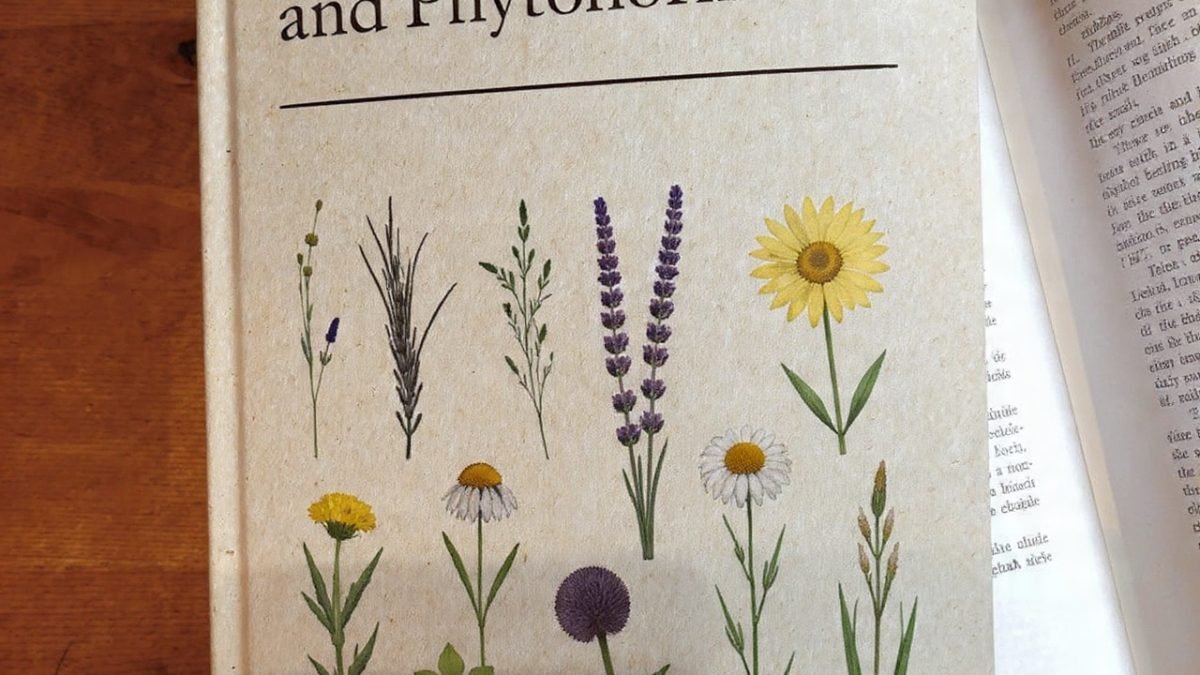
Integrative medicine provides non-hormonal, evidence-based natural agents to calm overactive neuroendocrine pathways and restore vascular balance.
1. Black Cohosh (Actaea racemosa)
Black Cohosh is one of the most thoroughly researched botanical interventions for vasomotor symptoms.
- Mechanism of Action: Rather than acting as a direct estrogen, standardized Black Cohosh extract acts on central neuroendocrine pathways, modulating serotonin and dopamine receptors to stabilize hypothalamic thermoregulation.
- Clinical Insight: Double-blind, placebo-controlled trials demonstrate significant reductions in the Kupperman Menopause Index, showing marked decreases in both hot flash frequency and intensity.
2. Red Clover Isoflavones (Trifolium pratense)
Red Clover is rich in plant-derived phytoestrogens, specifically the isoflavones biochanin A, formononetin, genistein, and daidzein.
- Selective Receptor Binding: Isoflavones selectively bind to Estrogen Receptor-beta (ER-β) found in vascular and central nervous systems, offering protective thermoregulatory support without stimulating breast or endometrial tissues.
3. Evening Primrose Oil & Vitamin E
Rich in gamma-linolenic acid (GLA), Evening Primrose Oil modulates anti-inflammatory prostaglandin pathways. When combined with natural Vitamin E (d-alpha-tocopherol), clinical studies report noticeable reductions in the severity of nighttime thermal spikes and skin flushing.
Holistic Pharmacist Action Plan for Vasomotor Calm
To minimize hot flash triggers and restore temperature control, combine phytotherapy with targeted daily habits:
- Eliminate Thermogenic Triggers: Avoid common vascular stimulants such as spicy foods, alcohol, hot beverages, and concentrated caffeine, especially in the afternoon.
- Layered Supplement Protocol: Combine standardized Black Cohosh or Red Clover in the morning with Magnesium Glycinate before bedtime to soothe the autonomic nervous system during sleep.
- Paced Respiration Therapy: Practice slow, deep abdominal breathing (6 breaths per minute) at the onset of a hot flash to reduce sympathetic nervous system surge and shorten the duration of the episode.
About the Author: Vilma Mendonça
Review and Editorial Direction by Vilma Mendonça Registered Pharmacist (CRF 9930-RJ) With over 20 years of professional clinical experience specializing in homeopathy, phytotherapy, and natural women’s health solutions. Dedicated to bridging the gap between rigorous clinical science and holistic well-being to help women bloom in maturity.
Medical Disclaimer: The information on this website is for educational purposes only and does not substitute professional medical advice. Always consult your physician or qualified healthcare provider before initiating any botanical or dietary supplement.
Frequently Asked Questions (FAQs)
What triggers sudden hot flashes during menopause?
Hot flashes are triggered by declining estrogen levels, which overactivates KNDy neurons in the hypothalamus and narrows the brain’s thermoregulatory zone. Minor temperature shifts, stress, caffeine, or spicy foods cause the hypothalamus to misinterpret body heat, triggering sudden sweating and flushing.
What is the most effective natural remedy for hot flashes?
Standardized Black Cohosh (Actaea racemosa) and Red Clover Isoflavones are clinically proven natural interventions. Black Cohosh modulates central serotonin pathways to stabilize hypothalamic temperature control, while Red Clover provides plant-based ER-beta support.
How long do menopausal hot flashes typically last?
An individual hot flash usually lasts between 1 to 5 minutes. While the overall duration of vasomotor symptoms varies, perimenopausal and postmenopausal women can experience hot flashes for several years. Natural supplementation and lifestyle adjustments help significantly reduce both frequency and intensity.