

Introduction
The menopausal transition represents a significant phase in a woman’s life, often accompanied by a range of challenging symptoms that can profoundly impact quality of life. While hormone replacement therapy (HRT) remains a conventional treatment option, many women seek natural alternatives that align with their wellness philosophy and minimize potential side effects. As a pharmacist with twenty years of experience in phytotherapy and homeopathy, I have witnessed firsthand how carefully selected herbal
remedies can provide meaningful relief from menopausal symptoms while supporting the
body’s natural healing processes.
This comprehensive guide explores the most evidence-based phytotherapeutic approaches to managing menopause symptoms. Unlike popular wellness blogs that often lack scientific rigor, this article is grounded in peer-reviewed clinical research, presenting both the efficacy and limitations of natural remedies with professional transparency. Whether you are experiencing hot flashes, sleep disturbances, mood changes, or other menopausal symptoms, understanding the mechanisms and evidence behind herbal treatments will empower you to make informed decisions about your health.
https://mariahchic.com/menopause/mexican-yam-and-menopause
Understanding Menopause and Why Natural Remedies
Matter
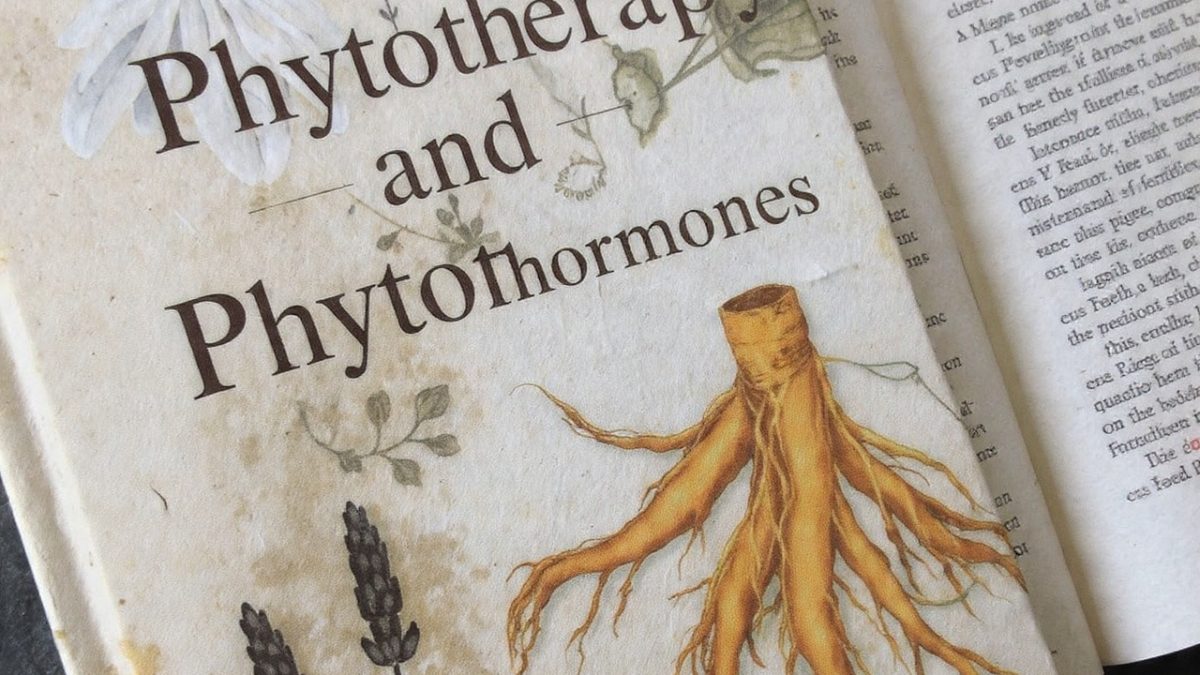
Menopause marks the permanent cessation of menstruation for twelve consecutive months, typically occurring between ages and . The transition involves a dramatic decline in estrogen and progesterone production, triggering a cascade of physiological
changes. Approximately % of menopausal women experience cognitive difficulties, twothirds struggle with sleep disturbances, and the majority report at least one vasomotorsymptom such as hot flashes or night sweats .
While these symptoms are temporary and generally resolve within five to ten years, their impact on daily functioning, work productivity, and emotional well-being can be substantial. Conventional hormone replacement therapy, though effective, carries potential risks including increased cardiovascular and breast cancer concerns for certain populations . This reality has driven growing interest in phytotherapeutic alternatives plant-based remedies that work synergistically with the body’s natural regulatory systems.
The advantage of phytotherapy lies not merely in symptom suppression but in supporting the body’s adaptive capacity during this transition. Medicinal plants contain complex arrays of bioactive compounds that often work through multiple physiological pathways
simultaneously, offering a more nuanced approach than single-mechanism pharmaceuticals.
https://mariahchic.com/menopause/joint-pain-in-menopause
The Top Phytotherapeutic Remedies for Menopause

Black Cohosh (Cimicifuga racemosa)
The Gold Standard for Vasomotor Symptoms Botanical Profile and Active Constituents. Black cohosh is a perennial plant native to North America, traditionally used by Indigenous peoples and subsequently adopted into European herbal medicine. The medicinal
component resides in the roots and rhizomes, which contain a complex mixture of bioactive compounds: triterpene glycosides (including actein, deoxyactein, and cimifugaside), alkaloids (cytisine and N-methyl cytisine), phenylpropane derivatives (ferulic and isoferulic acids), and cimicifugine, which comprises 25-50% of the root components .
Mechanism of Action
Contrary to popular misconception, black cohosh does not function as a phytoestrogen mimicking estrogen activity. Instead, it operates through a serotonergic mechanism, modulating neurotransmitter pathways that regulate body temperature and mood . The
herb binds to estrogen receptors and selectively suppresses luteinizing hormone (LH) secretion without affecting follicle-stimulating hormone (FSH), addressing the hormonal dysregulation underlying vasomotor symptoms.
Clinical Efficacy
The evidence for black cohosh’s effectiveness is substantial. A landmark randomized controlled trial demonstrated that 40–50% of patients experienced complete relief from menopausal symptoms within to weeks, while an additional 30–40% reported marked
improvement . A systematic review of nine clinical trials found that six studies showed
significant reduction in vasomotor symptoms, with particular benefit for hot flashes and
night sweats .
Recommended Dosage and Duration
Clinical studies have employed doses ranging from 40mg to 128mg daily, standardized to triterpene glycosides. A commonly effective protocol involves – mg daily of standardized extract (standardized to 2.5% triterpene glycosides), taken for a minimum of
weeks to assess efficacy. Many women continue for months to achieve sustained symptom relief.
Safety Profile
Black cohosh is well tolerated with an excellent safety record. Minor side effects, reported in less than 10% of users, include mild nausea, vomiting, headaches, and dizziness . Importantly, no serious adverse events have been documented even at higher doses. The herb does not appear to affect liver function or increase breast cancer risk, though women with a personal history of breast cancer should consult their healthcare provider before use.
Pharmaceutical Considerations
As a pharmacist, I must note that black cohosh may interact with medications metabolized through the cytochrome P system. Women taking warfarin, certain antidepressants, or other medications should inform their healthcare provider before supplementation. Sage (Salvia officinalis): Rapid Relief for Hot Flashes Botanical Profile and Active Constituents.
Sage is a Mediterranean herb with a long history of culinary and medicinal use. The leaves contain phytoestrogens, volatile oils, and phenolic compounds that exert multiple physiological effects.
Mechanism of Action
Sage’s effectiveness in reducing hot flashes operates through anti-dopaminergic effects mediated by its phytoestrogen content. These compounds help stabilize the hypothalamic temperature regulation center, which becomes dysregulated during menopause .
Clinical Efficacy
Recent systematic reviews and meta-analyses have provided compelling evidence for sage’s efficacy. A meta-analysis examining four clinical trials concluded that all reviewed studies indicated that Salvia officinalis reduced the frequency and severity
of hot flashes in postmenopausal women . A landmark study demonstrated that a fresh sage preparation showed clinical value in treating hot flushes and associated menopausal symptoms, with effects becoming apparent within weeks .
Recommended Dosage and Duration
Clinical studies have employed sage extract capsules (typically 300–600 mg daily) or fresh sage tea (1–2 cups daily).
The onset of action is relatively rapid compared to other phytotherapies, with many women reporting noticeable improvement within weeks.
Safety Profile
Sage is exceptionally welltolerated with minimal side effects. The herb is safe for long-term use and does not interact significantly with most medications. However, women with estrogen-sensitive conditions should consult their healthcare provider, as with all
phytoestrogen-containing plants.
Red Clover (Trifolium pratense)
Comprehensive Symptom Management Botanical Profile and Active Constituents
Red clover flowers contain isoflavones plant compounds with weak estrogenic activity.
The primary isoflavones include daidzein, genistein, formononetin, and biochanin A. Clinical studies typically employ standardized extracts containing 40–80 mg of isoflavones.
Mechanism of Action
Red clover isoflavones function as selective estrogen receptor modulators (SERMs), binding preferentially to estrogen receptor-beta, which is abundant in the hypothalamus and other brain regions involved in temperature regulation. This selective action provides symptom relief without the systemic estrogenic effects of HRT.
Clinical Efficacy
Meta-analyses have demonstrated that red clover isoflavones significantly reduce hot flushes when administered for 3–4 months . A meta-analysis found that red clover treatment for 3–4 months resulted in significant improvements in both lipid profiles and menopausal symptoms, offering cardiovascular benefits alongside symptom relief .
Recommended Dosage and Duration
The typical clinical dose is 40–80 mg of isoflavones daily, taken for a minimum of 3–4 months to achieve full benefit. Some women require months for optimal results. The gradual onset of action differs from sage’s more rapid effects.
Safety Profile
Red clover is well-tolerated with an excellent safety record. Mild gastrointestinal upset occasionally occurs. The herb does not appear to increase breast cancer risk, though women with estrogen-sensitive conditions should seek professional guidance.
Ginseng (Panax ginseng and Korean Red Ginseng) Adaptogenic Support
Botanical Profile and Active Constituents Ginseng is an adaptogenic herbal plant that helps the body adapt to stress and restore
balance. Korean red ginseng (Panax ginseng) undergoes a specific steaming and drying process that enhances its bioactive compounds, including ginsenosides.
Mechanism of Action
Ginseng functions through multiple pathways: modulating stress hormone responses, enhancing neurotransmitter function, and supporting immune regulation. These adaptogenic properties address the underlying stress and dysregulation contributing to menopausal symptoms.
Clinical Efficacy
While evidence is more limited than for black cohosh or sage, recent research supports ginseng’s role in menopause management. Studies have demonstrated that ginseng improves sexual function, reduces total hot flash scores, and enhances quality of life in
menopausal women .
Red ginseng specifically has shown benefits for cardiovascular risk factors and joint health in postmenopausal women.
Recommended Dosage and Duration
Clinical studies have employed 1–3 grams of standardized ginseng extract daily, with effects typically appearing after 4–8 weeks of consistent use.
Safety Profile
Ginseng is well-tolerated but may cause mild stimulant effects (increased energy, occasional insomnia if taken late in the day). It may interact with blood thinners and certain medications, requiring professional consultation.
Valerian, Passionflower, and Hops: The Sleep Support Trio Botanical Profile and Mechanisms
For menopausal women struggling with insomnia a symptom affecting approximately two-thirds of menopausal women the combination of valerian root, passionflower, and hops offers evidence-based support. These herbs work synergistically through GABAergic pathways, enhancing the brain’s primary inhibitory neurotransmitter to promote relaxation
and sleep onset.
Clinical Efficacy
A systematic review of plant extracts for sleep disturbances found that a mixture of valerian, passionflower, and hops extract produced significant improvements in sleep time and sleep latency . These herbs are particularly valuable for menopausal insomnia
complicated by anxiety and racing thoughts.
Recommended Dosage and Duration
A typical effective formulation combines valerian root extract (300–600 mg), passionflower
extract (200–400 mg), and hops extract (100–200 mg), taken minutes before bedtime.
Effects typically appear within 1–2 weeks.
Safety Profile
This combination is exceptionally safe for long-term use. Mild morning drowsiness occasionally occurs if dosage is excessive. These herbs do not create dependency and may be used throughout the menopausal transition.
Evening Primrose Oil – Targeted Support for Hot Flashes Botanical Profile and Active Constituents Evening primrose oil is derived from the seeds of Oenothera biennis and contains gammalinolenic acid (GLA), a polyunsaturated fatty acid with anti-inflammatory properties.
Mechanism of Action
GLA modulates inflammatory pathways and prostaglandin production, potentially stabilizing the hypothalamic temperature regulation center and reducing vasomotor symptom intensity.
Clinical Efficacy
Evidence for evening primrose oil is more modest than for other remedies. A systematic review and meta-analysis found that evening primrose oil reduced the severity of hot flashes when administered for less than months compared to placebo, but showed no significant difference in frequency and duration .
Interestingly, black cohosh demonstrated superior efficacy at weeks compared to evening
primrose oil.
Recommended Dosage and Duration
Clinical studies have employed 1,000–3,000 mg daily (typically 1,500 mg in divided doses), with assessment periods of 4–12 weeks.
Safety Profile
Evening primrose oil is well-tolerated. Mild nausea and headache occasionally occur. The supplement may have mild blood-thinning properties, so consultation is advisable for women taking anticoagulants.
https://mariahchic.com/menopause/menopausal-insomnia
Comparative Efficacy: A Pharmacist’s Assessment
Black Cohosh
Hot flashes, night sweats – weeks High (40-50% complete relief) 3-6 months
Red Clover
Hot flashes, overall symptoms 3-6 months Moderate-High months
Ginseng
Overall vitality, sexual function 4-8 weeks Moderate 3-6 months trial
Valerian/Passionflower/Hops
Insomnia, anxiety 1-2 weeks High (for sleep) Throughout
transition
Evening Primrose Oil
Hot flash severity 4-6 weeks
Moderate
(severity only) 3-6 months
Personalized Phytotherapeutic Protocols

Always under medical and pharmaceutical guidance. Natural products, however, require correct dosages.
For Predominant Hot Flashes and Night Sweats:
Begin with black cohosh (40– 80 mg daily) or sage (300– 600mg daily). Black cohosh offers more comprehensive symptom coverage, while sage provides faster relief. If inadequate response after weeks, consider combination therapy with red clover ( mg isoflavones
daily).
For Sleep Disturbance and Anxiety:
Employ the valerian/passionflower/hops combination (taken – 30 – 60 minutes before bedtime). This addresses both the sleep disruption and the anxiety-driven racing thoughts that often accompany menopausal insomnia.
For Comprehensive Consider a layered approach: black cohosh as the foundation (addressing vasomotor symptoms and mood), combined with the sleep support trio for nighttime symptoms, and potentially adding ginseng for overall vitality and sexual function support.
For Women Prioritizing Cardiovascular Health:
Red clover offers dual benefits symptom relief plus documented lipid profile
improvements making it particularly valuable for women with cardiovascular risk factors.
Important Considerations and Contraindications

Liver Health and Monitoring
While black cohosh has not been definitively linked to liver toxicity in rigorous studies, women with pre-existing liver disease should consult their healthcare provider before use.
Periodic liver function monitoring may be prudent for women using black cohosh longterm, particularly those over or taking hepatically metabolized medications. Estrogen-Sensitive.
Conditions
Women with a personal history of estrogen-receptor-positive breast cancer should consult their oncologist before using phytoestrogen containing remedies (red clover, ginseng, sage). While the evidence does not demonstrate increased cancer risk, individual risk assessment is essential.
Medication Interactions
Phytotherapies can interact with numerous medications through cytochrome P enzyme systems. Women taking warfarin, certain antidepressants (particularly SSRIs), or other medications should inform their healthcare provider before supplementation.
Quality and Standardization
The supplement industry lacks the rigorous quality control of pharmaceutical manufacturing. When selecting herbal remedies, prioritize products from reputable manufacturers that provide third-party testing certification and clear standardization of
active constituents (e.g., “standardized to .% triterpene glycosides” for black cohosh.
The Pharmacist’s Perspective: Why Natural Doesn’t Mean Using Without Guidance from a Healthcare Professional
As a healthcare professional, I emphasize that choosing natural remedies need not mean abandoning scientific rigor. The phytotherapies discussed in this article have undergone rigorous clinical testing, with results published in peer-reviewed medical journals. However, it is equally important to acknowledge that natural remedies are not universally effective for all women individual responses vary considerably, and what works optimally for one woman may require adjustment for another.
The evidence base for phytotherapy continues to evolve. While black cohosh and sage demonstrate robust clinical support, other remedies show promise but require further investigation. This is not a weakness but rather reflects the ongoing scientific process of refining our understanding of these complex plant medicines.
https://mariahchic.com/menopause/phytohormones-for-menopause
References
Troxel, W. M. (). Understanding Meno-Fog: Navigating Brain Fog During Menopause.RAND Corporation.
FDA Office of Women’s Health. Menopause & Hormones: Common Questions.
Mohammad-Alizadeh-Charandabi, S., Shahnazi, M., Nahaee, J., & Bayatipayan, S.
Efficacy of black cohosh (Cimicifuga racemosa L.) in treating early symptoms of
menopause: a randomized clinical trial. Chinese Medicine.
Written and reviewed by: Dr. Vilma Mendonça – Pharmacist






6 Comments
[…] biochemistry and can be combated with strategy, not suffering. There are several ways to manage menopause/natural-remedies-and-menopause-symptoms/, reviewing your routine as If you’ve reached menopause and suddenly feel your belly has grown […]
[…] In addition to supplementation, other measures are essential to restore mental clarity. Many women find better results when lifestyle changes are combined with natural remedies for menopause symptoms: […]
[…] You can explore this topic further here:🔗 https://mariahchic.com/menopause/natural-remedies-and-menopause-symptoms […]
[…] Studies suggest that many women experience worsening migraines during perimenopause due to hormonal instability. 👉 Related article: https://mariahchic.com/menopause/natural-remedies-and-menopause-symptoms […]
[…] https://mariahchic.com/menopause/natural-remedies-and-menopause-symptoms/ […]
[…] https://mariahchic.com/menopause/natural-remedies-and-menopause-symptoms […]