
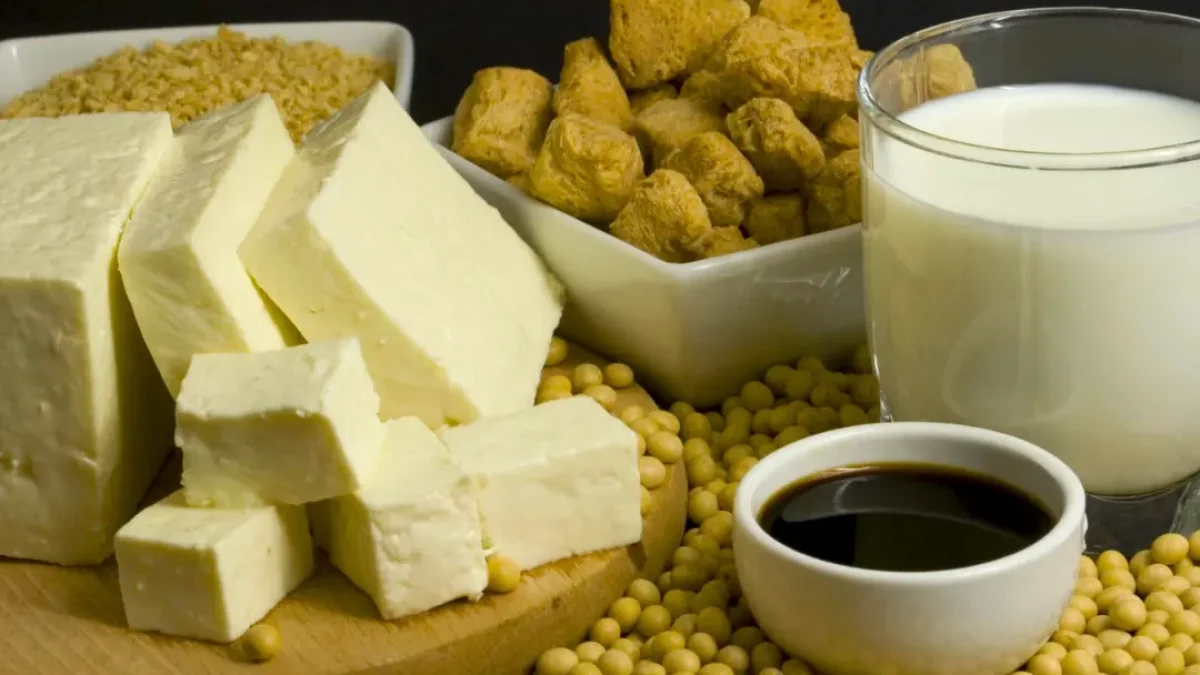
Soy is one of the most controversial foods when it comes to menopause. While some women believe it can help relieve symptoms, others fear that soy may “disrupt hormones” or increase the risk of cancer.
But after all: does soy really act like estrogen? Does it help or harm during menopause?
In this article, you will understand what science actually says without exaggeration, without nutritional fearmongering, and with a focus on practical decisions for your health.
What Is Estrogen and Why Does It Drop During Menopause?
Estrogen is an essential hormone in the female body. It influences:
The menstrual cycle
Bone health
Skin elasticity
Fat distribution
Mood and cognition
During menopause, the ovaries drastically reduce estrogen production. This decline is directly linked to symptoms such as:
Hot flashes
Night sweats
Vaginal dryness
Insomnia
Mood changes
Abdominal fat gain
This is where soy enters the conversation.
Does Soy Contain Estrogen?
No. Soy does not contain human estrogen.
What soy does contain are isoflavones, plant compounds classified as phytoestrogens.
Phytoestrogens are substances that:
Have a structure similar to estrogen
Can bind to estrogen receptors
Act much more weakly than natural estrogen
👉 Important: they do not imitate estrogen in an uncontrolled way.
Phytoestrogens: Villains or Allies?
This is the key point that causes most confusion.
Soy phytoestrogens have a modulating, not stimulating, behavior.
This means:
When estrogen levels are low (as in menopause), they may exert a mild estrogenic effect
When estrogen levels are high, they may compete with estrogen and reduce its activity
For this reason, many specialists consider soy a mild hormonal regulator, not a disruptor.
Youtube: https://youtu.be/nKdbhts_9Y0
Can Soy Help With Menopause Symptoms?
Understanding how soy fits into menopause management becomes easier when you look at the condition as a whole. If you are still learning about the stages, causes, and changes involved, you may want to read our complete guide on what menopause is before diving deeper into specific remedies.
Studies suggest that regular soy consumption may help especially with:
🔥 Hot Flashes
Women who regularly consume isoflavones tend to report:
Lower frequency
Reduced intensity of hot flashes
😴 Sleep Quality
Reducing nighttime hot flashes can indirectly improve sleep.
🦴 Bone Health
Isoflavones may contribute to:
Reduced bone density loss
Support for bone health when combined with calcium and vitamin D
⚠️ Important: the effects are moderate, not miraculous.
Does Soy Increase the Risk of Breast Cancer?
This is one of the biggest fears and also one of the biggest myths.
The most up-to-date scientific evidence shows that:
Moderate soy consumption does not increase the risk of breast cancer
In Asian populations, regular consumption is associated with lower risk and lower recurrence
Experts emphasize that risk is more closely linked to:
Family history
Obesity
Alcohol consumption
Sedentary lifestyle
Not soy itself.
In cases of hormone-dependent cancer, guidance should be individualized and medical.
Which Type of Soy Is Best During Menopause?
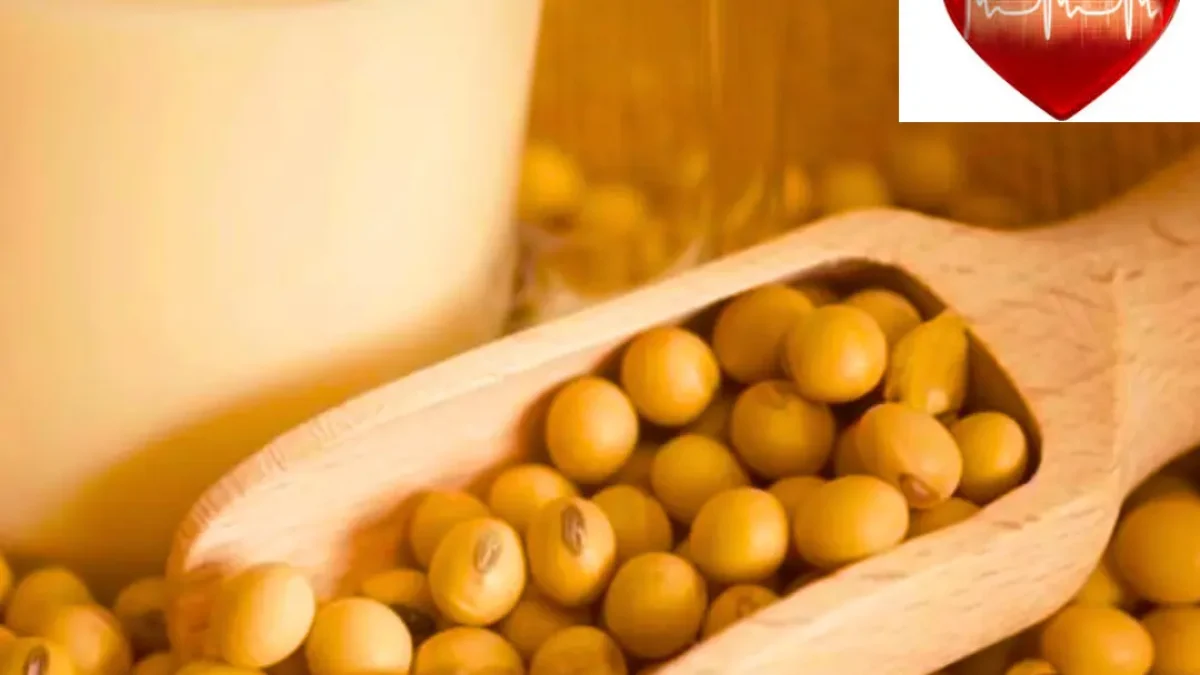
Not all soy is the same.
✅ Best Options
Edamame
Tofu
Tempeh
Miso
Organic, minimally processed soy
⚠️ Consume in Moderation
Isolated soy protein
Ultra-processed foods containing soy
Whole and fermented forms are most strongly associated with benefits.
What Is a Safe Amount of Soy?
In general, studies consider the following safe:
1 to 2 servings per day
Approximately 25–50 mg of isoflavones
This may correspond to:
1 cup of soy milk
or 100 g of tofu
More than this has no proven additional benefit.
Who Should Be Cautious With Soy?
Although safe for most women, caution is advised if you:
Have a history of hormone-dependent cancer
Use hormone therapy
Have untreated thyroid disorders
In these cases, it is best to consult a healthcare professional.
Does Soy Replace Hormone Therapy?
Some women also explore adaptogenic herbs to support hormonal balance. One example frequently discussed is ashwagandha for women during menopause, which may help with stress, sleep, and cortisol regulation.
No.
Soy:
May relieve mild to moderate symptoms
Does not replace medical treatments when they are necessary
It works best as:
Part of a balanced diet
A complementary strategy
What Do the Most Recent Scientific Studies Say?

In recent years, the relationship between soy, isoflavones, and menopause has been widely studied. Scientific reviews and meta-analyses indicate that soy’s effects vary depending on:
The type of isoflavone consumed
Individual metabolic capacity
Gut microbiota
Frequency and consistency of consumption
An interesting point is that only about 30–50% of women can convert soy isoflavones into equol, a more active metabolite. These women tend to experience greater benefits, particularly in reducing hot flashes.
Soy, Gut Health, and Menopause: An Overlooked Connection
Natural strategies often work best when combined. Alongside soy, other natural remedies for menopause symptoms — such as dietary adjustments, stress management, and lifestyle changes — can significantly improve overall well-being.
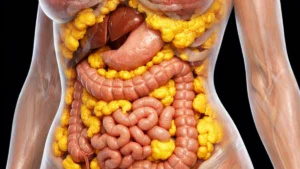
Gut health plays a fundamental role during menopause.
The gut microbiota influences:
Phytoestrogen metabolism
Systemic inflammation
Insulin sensitivity
Weight gain
When gut health is compromised, the utilization of soy isoflavones may be reduced. This is why soy tends to work better when combined with:
Dietary fiber
Fermented foods
An anti-inflammatory diet
This combination enhances its positive effects.
Soy and Weight Gain During Menopause: Help or Harm?

Another common concern is whether soy contributes to weight gain, especially around the abdomen.
The truth is:
Soy does not cause weight gain by itself
It is a good source of plant-based protein
It may help increase satiety
The issue lies in ultra-processed soy-based products, which are often high in:
Hidden sugars
Refined fats
Additives
When consumed in its natural form, soy may actually support weight management.
Soy vs. Other Phytoestrogen-Rich Foods
Soy is not the only source of phytoestrogens.
Other foods include:
Flaxseed
Sesame seeds
Chickpeas
Lentils
Red clover (supplements)
The difference is that soy is the most studied and contains the highest concentration of isoflavones. Still, rotating sources can be a smart strategy.
Soy Supplements - Are They Worth It?

Many women turn to isoflavone capsules. Caution is needed here.
Advantages
Standardized dosage
Convenience
Disadvantages
Less nutritional synergy
Risk of excessive doses
Variable quality among brands
Whenever possible, food should be preferred over supplements.
Soy and Thyroid Health During Menopause
There is a myth that soy “harms the thyroid.”
Science shows that:
In people with normal thyroid function, soy does not cause problems
In those with hypothyroidism, it is only necessary to respect the interval between soy intake and medication
In other words, soy does not need to be eliminated — just managed properly.
How to Include Soy in Your Daily Diet
Some practical ideas:
Grilled tofu in salads
Edamame as a snack
Tempeh in hot dishes
Miso in soups
Unsweetened soy milk
Consistency matters more than quantity.
Cultural Perspective – Why Do Asian Women Experience Fewer Menopause Symptoms?
On average, Asian women experience:
Fewer hot flashes
Less intense symptoms
This is attributed to a combination of factors:
Soy consumption from childhood
Less ultra-processed diets
More active lifestyles
In other words, it is not soy alone, but the overall dietary context.
Frequently Asked Questions About Soy and Menopause
Can soy cause hormonal imbalance?
No. Its effect is mild and modulatory.
Can I eat soy every day?
Yes, within recommended amounts.
Is soy better than hormone replacement therapy?
No. It does not replace medical treatment when indicated.
Can women with a family history of cancer consume soy?
In most cases, yes with professional guidance.
Conclusion
The discussion about soy and estrogen during menopause needs to move beyond fear and focus on information.
Soy:
It’s not the villain.
It’s not a hormone.
It doesn’t solve all problems on its own.
But it can be an important nutritional ally when used properly.
The key is balance, individuality, and consistency.
- This article is for informational purposes only and does not replace medical or nutritional advice.
Scientific Articles
1. Taku et al. (2012) — Meta-análise em Menopause
Este estudo analisou dados de 13 a 17 ensaios clínicos randomizados sobre isoflavonas da soja em mulheres na peri e pós-menopausa, comparando com placebo.
– Concluiu que a ingestão de isoflavonas da soja reduziu frequência e severidade dos fogachos (hot flashes) em comparação ao placebo.
– Publicado em: Menopause Revista da Sociedade Norte-Americana de Menopausa
– Ano de publicação: 2012
– Título: Extracted or synthesized soybean isoflavones reduce menopausal hot flash frequency and severity: systematic review and meta-analysis of randomized controlled trials.
2. Haodi Luan et al. (2025) — Meta-análise em PeerJ
Uma revisão sistemática e meta-análise recente envolvendo 12 estudos e mais de 500 participantes avaliou o efeito das isoflavonas da soja em sintomas da menopausa.
– Encontrou efeitos significativos em alguns sintomas (como cefaleia, palpitações e depressão), embora não tenha mostrado melhora consistente em todos os sintomas vasomotores (como ondas de calor).
– Publicado em: PeerJ Revista científica revisada por pares
– Ano de publicação: 2025
– Título: Effects of soy isoflavones on menopausal symptoms in perimenopausal women: a systematic review and meta-analysis
Written and reviewed by: Dr. Vilma Mendonça – Pharmacist
Image bank – AI
Social networks – https://pt.pinterest.com/vilmamendonca28/
YouTube: https://www.youtube.com/@menopausepharmacy


1 Comment
[…] Urinary incontinence during menopause is a problem affecting more than 50% of postmenopausal women, yet it’s rarely discussed openly. Many women suffer in silence, embarrassed by involuntary urine leakage during the day or night. As a pharmacist with over 20 years of experience, I see women daily seeking effective and natural solutions for this problem. The truth is that urinary incontinence during menopause is more common than diabetes, hypertension, and depression. It’s not rare. It’s not something to be ashamed of. It’s a natural consequence of the hormonal changes your body is experiencing.And the best news? There are proven natural solutions that work. In this article, I’ll share the three most effective strategies to regain bladder control during menopause.Read more: https://mariahchic.com/menopause/soy-and-estrogen […]