Generic selectors
Exact matches only
Search in title
Search in content
Post Type Selectors
Generic selectors
Exact matches only
Search in title
Search in content
Post Type Selectors

Hot Flashes in Menopause: Understand, Relieve, and Live Better

The Heat Wave No One Told You About: What Are Hot Flashes?
Hot Flashes

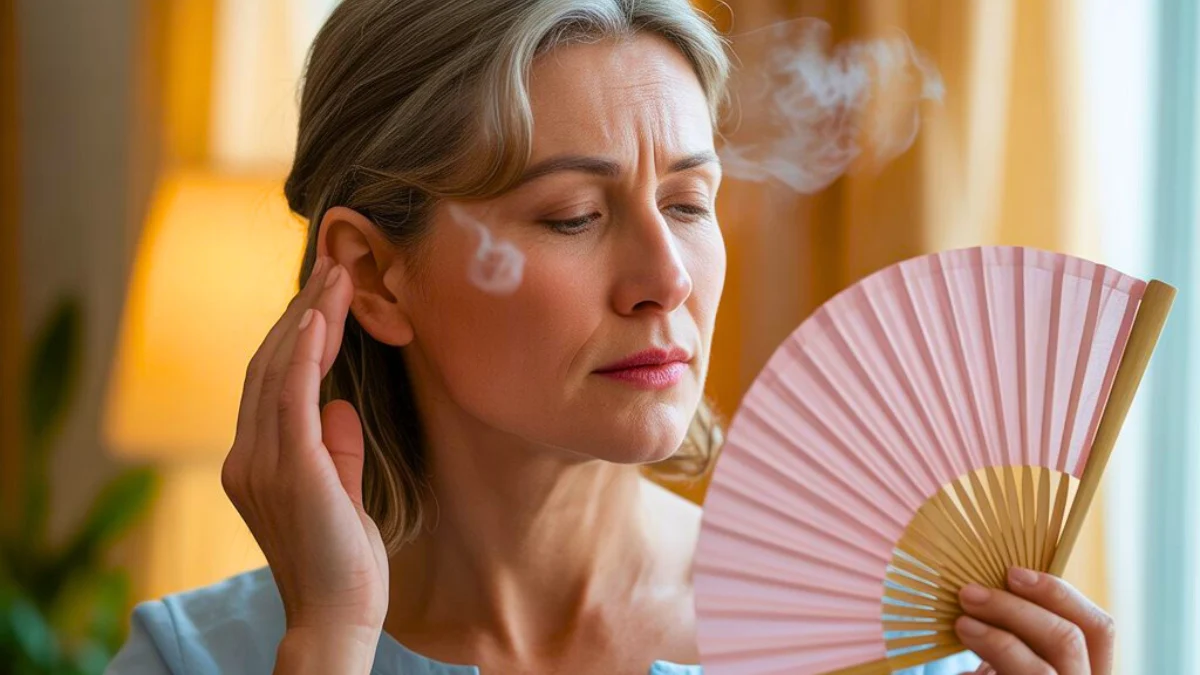
Ah, menopause! A phase of transformations, wisdom, and for many women, a very peculiar experience: the famous hot flashes in menopause, also known as vasomotor symptoms.

If you’ve ever felt that sudden wave of heat, starting in the chest, rising to the neck and face, accompanied by sweating and sometimes even palpitations, know that you are not alone. Millions of women worldwide experience this symptom, which can range from mild discomfort to intense episodes that disrupt daily life, sleep, and even social life.

The Hormonal Dance and the Internal Thermostat

But what exactly causes this sensation of an internal oven? The main reason lies in the hormonal dance happening in your body. During menopause, the ovaries drastically decrease the production of estrogen, a crucial hormone for various functions, including body temperature regulation.  This hormonal drop confuses the hypothalamus, the part of the brain responsible for controlling the body’s internal thermostat. It begins to interpret that you are overheated, even if you are not, and triggers a series of mechanisms to try to cool you down: dilation of blood vessels near the skin (causing redness), excessive sweating, and increased heart rate.  It’s an exaggerated bodily response to an internal change, and understanding this process is the first step to dealing with it.

The Impact of Hot Flashes on Your Daily Life

relieve hot flashes

How Hot Flashes Affect Your Daily Life

Hot flashes are not just a matter of heat. They can have a significant impact on the quality of life. Imagine being in an important meeting, in the middle of a conversation with friends, or trying to have a peaceful night’s sleep, and suddenly, a wave of heat invades you, making you sweat and feel uncomfortable. This can lead to: •Sleep Interruptions: Night sweats and hot flashes can fragment sleep, resulting in fatigue, irritability, and difficulty concentrating the next day. •Social and Professional Impact: The fear of an unexpected hot flash can generate anxiety and cause some women to avoid social or professional situations. •Mood Swings: Sleep deprivation and constant discomfort can contribute to mood changes, anxiety, and even depressive symptoms. •Reduced Quality of Life: The sum of all these factors can diminish the overall sense of well-being and joy.It is essential to recognize that hot flashes are a real symptom and that effective strategies exist to manage them. You don’t have to accept them passively. Let’s explore some of the most promising options. For more tips on how to deal with these episodes, check out our detailed article: Navigating Hot Flashes: Tips for Menopausal Women.

Strategies to Relieve Hot Flashes: A Practical Guide

supplement for menopause
Dealing with hot flashes in menopause involves a combination of lifestyle changes, and for some women, the consideration of complementary or medicinal therapies. The goal is to find what works best for you, minimizing discomfort and allowing you to live this phase with more tranquility.

Lifestyle Changes: Small Adjustments, Big Differences

Before considering any supplement or medication, it’s worth reviewing some daily habits. Small changes can make a big difference: 1.Dress in Layers: Opt for light clothing made of natural fabrics (cotton, linen) that allow the skin to breathe. Dressing in layers makes it easier to remove clothes when the heat comes. 2.Keep the Environment Cool: Use fans, air conditioning, or open windows. A cool room at night is essential for restful sleep. 3.Avoid Triggers: Some drinks and foods can trigger or worsen hot flashes. The most common include caffeine, alcohol, spicy foods, and very hot beverages. Observe your body and identify your own triggers. 4.Manage Stress: Stress and anxiety can intensify hot flashes. Practices such as yoga, meditation, deep breathing exercises, or mindfulness can help calm the nervous system. 5.Regular Physical Exercise: Moderate and regular physical activity not only improves overall well-being but can also help regulate body temperature and reduce the frequency and intensity of hot flashes. Avoid very intense exercises close to bedtime. 6.Maintain a Healthy Weight: Women who are overweight or obese tend to have more frequent and intense hot flashes. Maintaining a healthy weight can alleviate this symptom. 7.Hydrate: Drinking plenty of fresh water throughout the day helps keep the body hydrated and can offer temporary relief during a hot flash.

Youtube: https://www.youtube.com/shorts/zjjMfR8uEsM

Isoflavone and Red Clover: Natural Allies in the Fight Against Hot Flashes

Supplements for those already experiencing joint pain
For many women, lifestyle changes are a good start, but not enough. This is where natural options come in, such as Isoflavone and Red Clover, which have been studied for their potential to relieve menopausal symptoms, especially hot flashes.

Isoflavone: The Power of Soy and Its Benefits

Isoflavone is a type of phytoestrogen, a plant compound that has a chemical structure similar to human estrogen. Found mainly in soy and other legumes, isoflavone can bind to estrogen receptors in the body, mimicking (in a weaker way) the action of this hormone. This mild estrogenic action can help compensate for the drop in hormone levels during menopause, which, in turn, can reduce the frequency and intensity of hot flashes. For a deeper dive into the benefits and supplementation guide, visit our article: Isoflavones for Menopause: Benefits and Supplements Guide. How does it work? When estrogen decreases, the hypothalamus (the body’s thermostat) becomes dysregulated. Isoflavones, by acting as a weak estrogen, can help to “trick” the hypothalamus, restoring a certain balance and reducing the exaggerated response that leads to heat.  Studies have shown promising results, with many women reporting a significant reduction in hot flashes after regular isoflavone supplementation. It is important to note that individual response may vary, and consultation with a healthcare professional is always recommended before starting any supplementation.Sources of Isoflavone: •Foods: Soy and its derivatives (tofu, tempeh, soy milk) are the richest sources. Lentils, chickpeas, and other beans also contain isoflavones, but in smaller quantities. •Supplements: Various isoflavone supplements are available, usually extracted from soy or red clover. Dosage and form (genistein, daidzein, glycitein) can influence efficacy.

Red Clover: A Promising Alternative

Red Clover (Trifolium pratense) is another plant rich in isoflavones, including formononetin, biochanin A, daidzein, and genistein.  Like soy isoflavones, these compounds act as phytoestrogens, offering a similar mechanism of action to relieve menopausal symptoms, particularly hot flashes. For more information on how Red Clover can be an ally, see our article: Red Clover Phytohormone for Menopause. Why Red Clover? For women seeking an alternative to soy or who do not consume soy products, Red Clover can be an excellent option.  Research on Red Clover and its effects on menopausal hot flashes has been encouraging, with some studies indicating that it can be as effective as soy isoflavones in reducing the frequency and intensity of hot flashes. Additionally, Red Clover is traditionally used for a variety of female health conditions, making it an interesting candidate for managing menopausal symptoms. Considerations: As with any supplement, quality and dosage are crucial. It is essential to choose products from reliable manufacturers and, again, discuss use with your doctor, especially if you have pre-existing health conditions or are taking other medications.

Beyond Phytoestrogens: Other Approaches and Complementary Therapies

Best Supplements
In addition to isoflavones and Red Clover, there are other approaches that can be considered for hot flash relief, always with professional guidance:

Hormone Replacement Therapy (HRT): An Effective Option

Hormone Replacement Therapy (HRT) is the most effective treatment for menopausal hot flashes, as it directly replaces the estrogen that the body has stopped producing. However, HRT is not for all women and should be carefully evaluated with a doctor, considering individual benefits and risks. It is a personal and informed decision, based on each woman’s health history and preferences.

Acupuncture and Phytotherapy: Ancient and Modern Wisdom

•Acupuncture: Some women find significant relief from hot flashes with regular acupuncture sessions. This ancient practice of traditional Chinese medicine aims to rebalance the body’s energy and can be an option for those seeking non-pharmacological approaches.•Other Herbs: In addition to Red Clover, other herbs such as Black Cohosh, Dong Quai, and Ginseng have been studied for their potential effects in relieving menopausal symptoms. Efficacy and safety vary, and consultation with a qualified herbalist is essential.

Relaxation and Breathing Techniques: The Power of Mind and Body

As mentioned, stress can worsen hot flashes. Relaxation techniques, such as deep diaphragmatic breathing, can be practiced at the onset of a hot flash to help calm the body and potentially decrease the intensity of the episode. Regular practice of these techniques can also reduce the overall frequency of hot flashes.

Living with Hot Flashes: Immediate Relief Strategies

hot flashes the body
Even with all strategies, hot flashes may still appear. Having a plan to deal with them in the moment can make all the difference:

Quick Actions for Instant Relief

•Stay Calm: Remember it’s a passing wave. Breathe deeply and try to relax.•Keep Cold Water Nearby: Drinking a sip of cold water can help reduce the sensation of heat.•Damp Towels: Having a small damp, cool towel on hand to apply to the neck or wrists can provide immediate relief.•Fan or Portable Fan: A small fan or portable fan can be your best friend during hot flashes.

Conclusion: Your Journey, Your Choices

Hot flashes in menopause are a common challenge, but they don’t have to dominate your life. Understanding what causes them and knowing the various management options  from simple lifestyle changes to the use of natural allies like Isoflavone and Red Clover, or even the consideration of HRT  empowers you to make informed choices.Remember that every woman is unique, and what works for one may not work for another. The key is patience, observation of your own body, and above all, partnership with healthcare professionals who can guide you on this journey. With the right strategies, you can alleviate hot flashes, regain your comfort, and live menopause with more well-being and fullness.

Scientific Studies

  • Guthrie JR, Dennerstein L, Taffe JR, Lehert P, Burger HG (2005)Hot flushes during the menopause transition: a longitudinal study in Australian-born women.

    • Publicado em: Menopause (revista científica revisada por pares)

    • Ano: 2005

  • Freeman EW, Sammel MD, Sanders RJ (2014)Risk of long-term hot flashes after natural menopause: evidence from the Penn Ovarian Aging Study cohort.

    • Publicado em: Menopause

    • Ano: 2014

Written and reviewed by: Dr. Vilma Mendonça – Pharmacist
Image Bank – Pexls

Vilma Mendonca

Writer & Blogger

Leave a Reply

Your email address will not be published. Required fields are marked *

Related Posts

Blooming in Maturity Menopause with Natural Therapies and Self-Care.

Contact

Copyright @2025 Mariah Chic - All rights reserved