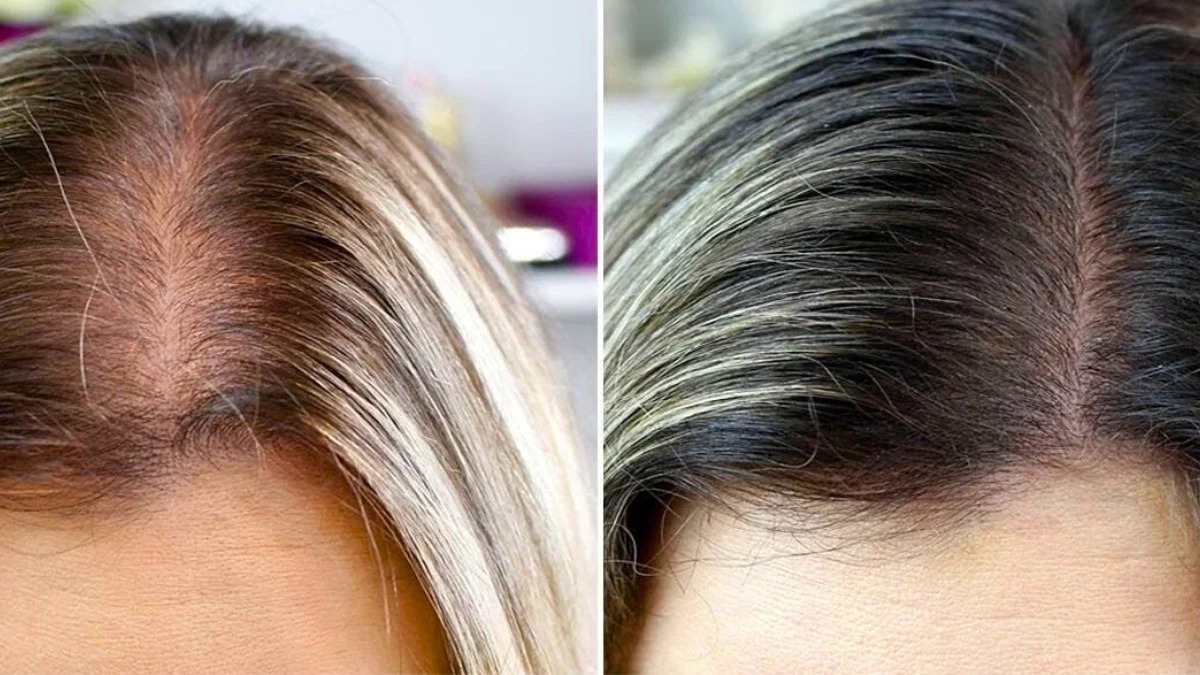
Why Does Hair Fall Out During Menopause?
Hormones and Hair Growth Cycle
Nutritional Deficiencies
Systemic Inflammation
The Role of Calcium Pantothenate (vitamin B5) and Biotin

What is Calcium Pantothenate?
How It Works for Hair
Recommended Dosage
What is Biotin?
How It Works for Hair
Scientific Evidence
Recommended Dosage
Calcium Pantothenate + Biotin: Powerful Synergy
Why Combine Them?
Recommended Combination
Complementary Nutrients
Iron is essential for transporting oxygen to hair follicles. Iron deficiency causes telogen effluvium. Recommended: 18 mg daily for menopausal women.
Zinc participates in protein synthesis and cell growth. Deficiency causes hair loss. Recommended: 8-11 mg daily.
Vitamin C Necessary for collagen synthesis and iron absorption. Recommended: 75-90 mg daily.
Omega-3 Reduces inflammation and improves scalp health. Recommended: 1000-2000 mg daily of EPA+DHA.
Protein Hair is made of protein. Ensure you consume 1.2-1.6g of protein per kg of body weight daily.
Foods to Strengthen Hair
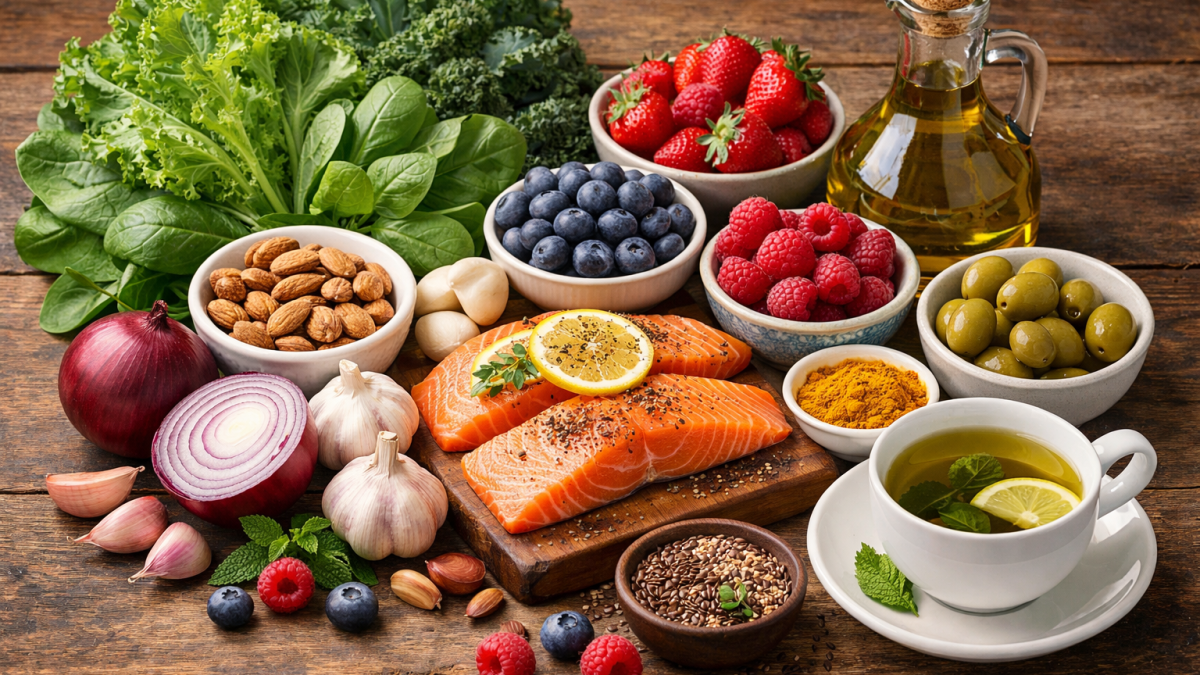
Biotin-Rich Foods
Calcium Pantothenate-Rich Foods
Iron-Rich Foods
Zinc-Rich Foods
Safety and Contraindications
Calcium Pantothenate
Biotin
When to Consult a Doctor
Practical Tips to Maximize Results
Hair Care
Lifestyle
Strategic Supplementation
Frequently Asked Questions
Q: Can I take Calcium Pantothenate and Biotin together?
Q: How long should I take them?
Q: Can I stop after 6 months?
Q: Does it work for everyone?
Q: Do I need a prescription?
Q: Which brand should I buy?
Q: Can I take them with other medications?
A: Generally yes, but consult your doctor or pharmacist if you’re taking specific medications.
Conclusion
Hair loss during menopause is frustrating, but treatable. Calcium pantothenate and biotin are scientifically proven nutrients that strengthen hair and reduce hair loss.
The key is:
• Start with the recommended dosages
• Be consistent for at least 3 to 4 months
• Combine with a healthy diet
• Take care of your hair externally
• Be patient (hair grows slowly)
If you are suffering from hair loss during menopause, don’t despair. With the right approach, you can restore the health and beauty of your hair.
Scientific References
Written by Vilma Mendonça, Pharmacist