Introduction
Menopause is a natural phase of life for women, but many are unprepared for symptoms that go far beyond the famous hot flashes and mood swings.
One of the most overlooked and frequently misdiagnosed symptoms is widespread muscle pain.
If you wake up with body aches, feel stiffness in your joints, or experience muscle pain that seems to come from nowhere, know that you are not alone.
Approximately 50-70% of menopausal women experience some type of muscle or joint pain, and this number is often underestimated because many women simply believe it’s “part of aging.”
As a pharmacist with over 20 years of experience, I have seen countless women suffering unnecessarily because they didn’t understand the connection between their symptoms and menopause.
This guide was created to help you understand exactly what’s happening in your body and, more importantly, what you can do about it.
What is Muscle Pain in Menopause?
Understanding Musculoskeletal Syndrome
Muscle pain during menopause, clinically known as “musculoskeletal syndrome of menopause” or “menopausal myalgia,” refers to widespread pain, stiffness, and discomfort in muscles, joints, and connective tissues.
Unlike a specific injury or disease like rheumatoid arthritis, this pain is caused directly by the hormonal changes that occur during menopause. It can range from mild and occasional to severe and debilitating, significantly affecting quality of life.
Common Characteristics
Common features include:
•Widespread muscle pain affecting multiple muscle groups
•Morning stiffness that can last for hours
•Feeling of a “heavy” or “stuck” body
•Pain that worsens with movement or improves with rest
•Muscle fatigue disproportionate to effort expended
•Sensitivity to touch in certain areas
•Reduced flexibility and range of motion
The Scientific Causes of Muscle Pain in Menopause
The Critical Role of Estrogen
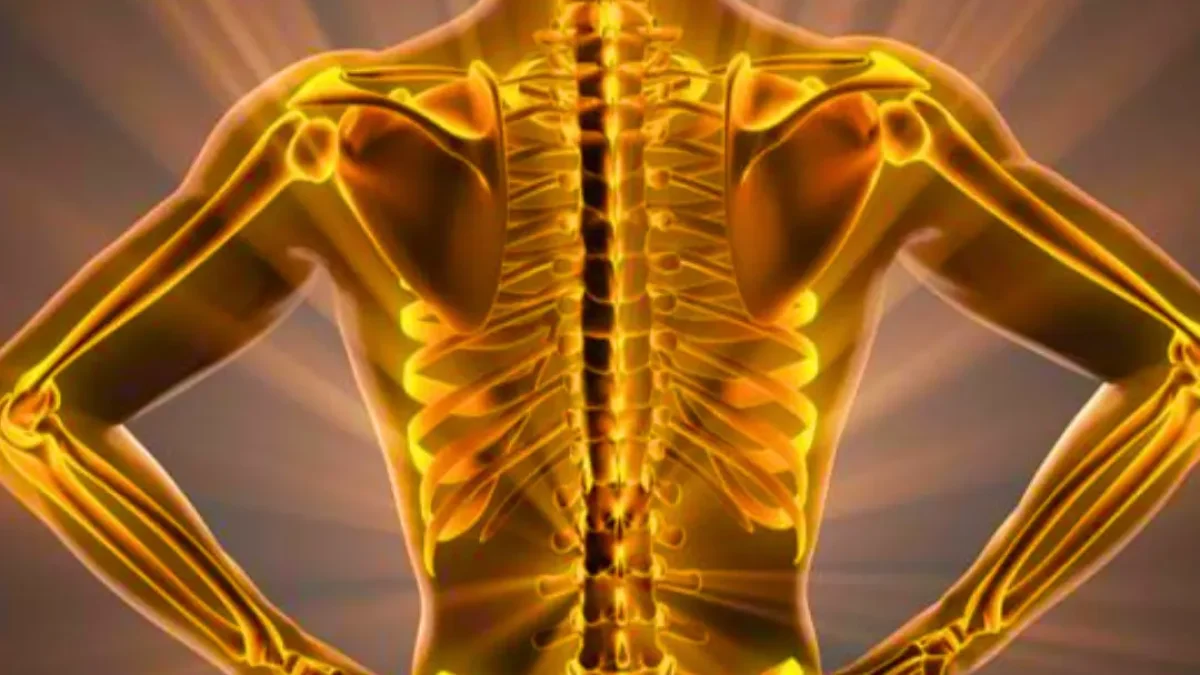
Estrogen is not just a reproductive hormone. It plays a fundamental role in virtually every system in your body, including inflammation regulation, muscle health, and joint function.
During menopause, estrogen levels drop dramatically – up to 90% compared to reproductive levels. This drop doesn’t happen gradually; it’s more like a “hormonal blackout” that affects multiple systems simultaneously.
When estrogen levels fall, several changes occur in the body.
Increased Systemic Inflammation
Estrogen has natural anti-inflammatory properties. When its levels drop, your body enters a state of chronic low-grade inflammation. This inflammation affects muscles, joints, and connective tissues, causing pain and stiffness.
Research shows that inflammatory markers increase significantly during menopause, contributing to widespread musculoskeletal pain. This is why anti-inflammatory strategies become so important during this phase.
Collagen Reduction
Collagen is the structural protein that keeps muscles, tendons, ligaments, and cartilage strong and flexible. Estrogen stimulates collagen production. When levels drop, collagen production decreases by up to 30% in the first 5 years of menopause.
This collagen loss results in:
•Weaker muscles
•Less stable joints
•More fragile tendons and ligaments
•Slower recovery from injuries
Accelerated Muscle Loss (Sarcopenia)
Estrogen helps maintain muscle mass and strength. Without it, menopausal women experience faster muscle loss than normal – up to 3-5% per decade after age 50.
This muscle loss causes:
•Muscle weakness
•Difficulty with daily activities
•Increased fall risk
•Pain when trying to use weakened muscles
Changes in Synovial Fluid
Synovial fluid is the “oil” that lubricates joints. Estrogen helps maintain adequate levels of this fluid. When estrogen drops, synovial fluid production decreases, resulting in dry and painful joints similar to dry skin during menopause.
Increased Pain Sensitivity
Estrogen also affects neurotransmitters responsible for pain perception. With lower levels, your body becomes more sensitive to pain, amplifying mild discomfort signals into significant pain.
Types of Muscle Pain in Menopause
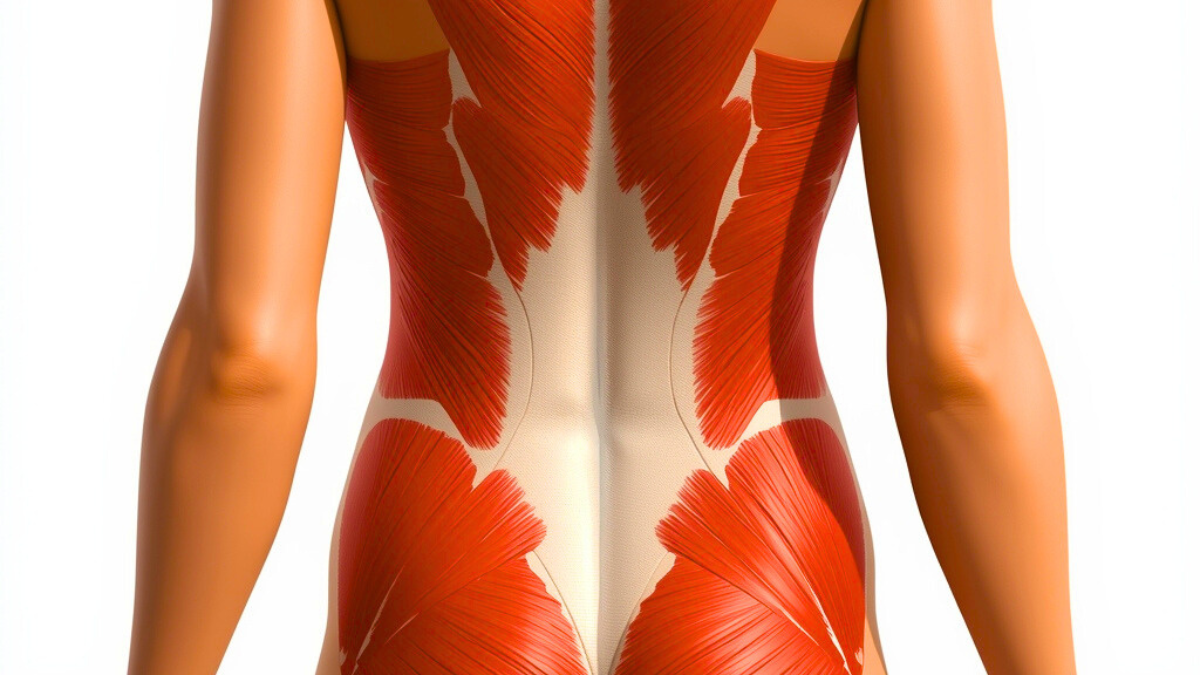
Localized Muscle Pain
Affects specific muscle groups, usually:
•Neck and shoulders
•Back (especially lower back)
•Hips
•Knees
This pain is often worse after physical activity or at the end of the day.
Generalized Muscle Pain
Affects multiple muscle groups throughout the body simultaneously. Many women describe it as having “flu-like muscle pain” or as if they did intense exercise the day before, even without having done anything.
Morning Stiffness
Many women wake up with severe stiffness that can take hours to improve. This stiffness is particularly common in shoulders, hips, and knees.
Activity-Related Pain
Some women notice that simple activities – like carrying groceries, climbing stairs, or working at a computer cause disproportionate pain.
Differentiating Menopause Pain from Other Conditions

Menopause vs. Fibromyalgia
Many menopausal women are diagnosed with fibromyalgia when they’re actually experiencing menopause-related muscle pain.
Characteristics of Menopausal Pain:
•Begins during perimenopause
•Improves with hormone treatments
•Often accompanied by other menopause symptoms
•Responds well to exercise and natural anti-inflammatories
Characteristics of Fibromyalgia:
•Can occur at any age
•Doesn’t improve with hormone therapy
•Accompanied by extreme fatigue and sleep problems
•More difficult to treat
Menopause vs. Rheumatoid Arthritis
Menopausal Pain:
•Affects multiple muscle groups
•Causes no visible swelling
•Causes no joint deformity
•Inflammation tests (ESR, CRP) are normal
Rheumatoid Arthritis:
•Affects specific joints (usually hands and feet)
•Causes visible swelling and redness
•Can cause joint deformity over time
•Inflammation tests are elevated
Specific Symptoms of Menopausal Muscle Pain

Beyond muscle pain, you may experience:
•Stiffness: Especially upon waking or after periods of inactivity
•Muscle Fatigue: Tiredness disproportionate to effort expended
•Weakness: Difficulty performing tasks that were previously easy
•Numbness or Tingling: In arms, legs, or hands
•Cramps: Especially at night
•Touch Sensitivity: Certain body areas become tender
•Reduced Flexibility: Difficulty reaching or stretching
Impact on Quality of Life

Muscle pain during menopause is not just uncomfortable – it can significantly impact daily life:
•Difficulty working or being productive
•Reduced physical activity, leading to more weakness
•Sleep problems (pain worsens at night)
•Social isolation (avoiding activities with friends/family)
•Depression and anxiety related to chronic pain
•Overall reduced quality of life

Regular and Appropriate Exercise
Exercise is one of the most powerful tools for combating menopausal muscle pain.
Why it works:
•Maintains muscle mass
•Reduces inflammation
•Improves flexibility
•Increases endorphin production (natural painkillers)
Recommended Types:
Strength Training (2-3x/week):
•Helps maintain and build muscle mass
•Protects joints
•Improves bone density
•Start light and increase gradually
Yoga and Pilates (3-4x/week):
•Improves flexibility
•Strengthens deep muscles
•Reduces stiffness
•Improves balance
Walking (5-7x/week):
•Low-impact activity
•Improves circulation
•Reduces inflammation
•Easy to maintain
Consistency
Stretching (daily):
•Reduces stiffness
•Improves flexibility
•Can be done at home
•Especially important in the morning

Anti-Inflammatory Nutrition
What you eat directly affects inflammation in your body.
Foods That Reduce Inflammation:
Fatty Fish (2-3x/week):
•Salmon, sardines, trout
•Rich in omega-3
•Reduce systemic inflammation
•Improve joint health
Colorful Fruits and Vegetables (daily):
•Blueberries, strawberries, cherries
•Broccoli, spinach, kale
•Rich in antioxidants
•Combat inflammation
Turmeric-Rich Foods:
•Turmeric is a powerful anti-inflammatory
•Use in soups, rice, vegetables
•Combine with black pepper for better absorption
Ginger-Rich Foods:
•Fresh ginger tea
•Add to recipes
•Reduces pain and inflammation
Magnesium-Rich Foods:
•Pumpkin, pumpkin seeds
•Almonds, walnuts
•Spinach
•Helps muscle function
Foods to Avoid:
•Refined sugar (increases inflammation)
•Ultraprocessed foods
•Refined vegetable oils
•Excessive alcohol
Natural Supplements
Omega-3 (1000-2000mg/day):
•Reduces inflammation
•Improves joint health
•Supports cardiovascular health
Turmeric/Curcumin (500-1000mg/day):
•Powerful anti-inflammatory
•Reduces muscle pain
•Improves mobility
Ginger (500-1000mg/day):
•Reduces inflammation
•Relieves pain
•Improves digestion
Magnesium (300-400mg/day):
•Reduces muscle cramps
•Improves muscle function
•Helps with sleep
Vitamin D (1000-2000 IU/day):
•Essential for muscle health
•Reduces inflammation
•Improves calcium absorption
Hydrolyzed Collagen (10-20g/day):
•Supports joint health
•Improves flexibility
•Reduces joint pain
Suggested Supplements for Muscle Pain: https://amzn.to/4syb8Ep

Complementary Therapies
Massage:
•Reduces muscle tension
•Improves circulation
•Relieves pain
•Frequency: 1-2x/month
Acupuncture:
•Reduces muscle pain
•Improves circulation
•No side effects
•Frequency: 1x/week for 6-8 weeks
Heat Therapy:
•Heat: Reduces stiffness and pain
•Use heating pad for 15-20 minutes
•Especially useful in the morning
Cold Therapy:
•Cold: Reduces acute inflammation
•Use ice for 10-15 minutes
•Useful after intense exercise
Lifestyle Changes
Adequate Sleep (7-9 hours/night):
•Essential for muscle recovery
•Reduces inflammation
•Improves pain tolerance
Stress Management:
•Stress increases inflammation
•Meditation, deep breathing
•Yoga, tai chi
•Time in nature
Proper Hydration (2-3 liters/day):
•Essential for muscle function
•Reduces cramps
•Improves circulation
Correct Posture:
•Prevents unnecessary muscle tension
•Especially important when working
•Take frequent breaks
When to Seek Professional Help

Consult a doctor if:
•Pain is severe and debilitating
•Pain doesn’t improve with the above strategies after 4-6 weeks
•Pain is progressively worsening
•You have swelling or redness in joints
•You have fever or other systemic symptoms
•Pain is significantly affecting your quality of life
A healthcare professional can:
•Rule out other conditions
•Prescribe medications if necessary
•Recommend physical therapy
•Adjust your treatment strategy
Conclusion
Muscle pain during menopause is real, it’s common, and most importantly, it’s treatable. You don’t need to simply “live with it.”
Understanding the scientific causes – the drop in estrogen, increased inflammation, collagen loss, and increased pain sensitivity – is the first step in taking control of the situation.
By combining regular exercise, anti-inflammatory nutrition, appropriate natural supplements, and lifestyle changes, many women can significantly reduce their muscle pain and reclaim their quality of life.
Remember: you’re not alone in this. Millions of women are going through the same experience, and there are effective solutions available.
If you’re looking for specific and proven natural treatments, I recommend reading our detailed article on 7 Natural Treatments for Menopause Pain, where you’ll find specific strategies, recommended dosages, and a practical action plan.
Start today. Your body will thank you.
Additional Resources
•Consult a qualified healthcare professional
•Seek a physical therapist specializing in menopause
•Consider a nutritionist for dietary guidance
•Explore support groups for menopausal women
Legal Disclaimer
This article is purely informational and does not replace professional medical advice. Always consult a qualified healthcare professional before starting new treatments, supplements, or exercise programs.
Scientific Studies
1. **Calis, Hakan T.; Bagis, Serap & Turgut, Mehmet.** “Estrogen and Musculoskeletal Pain: A Comprehensive Review.” *Climacteric*, Vol. 20, No. 4, 2017.
2. **Abdulghani, Jamal; Waltzer, William C. & Raz, Shlomo.** “Musculoskeletal Syndrome of Menopause: A Narrative Review.” *Maturitas*, Vol. 141, 2020.
Written and reviewed by: Dr. Vilma Mendonça – Pharmacist – 20 years
AI Images