
Generic selectors
Exact matches only
Search in title
Search in content
Post Type Selectors
Generic selectors
Exact matches only
Search in title
Search in content
Post Type Selectors

Skin Dehydration in Menopause

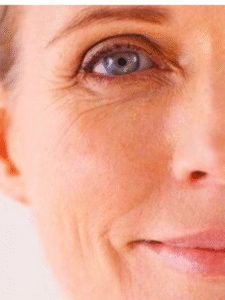
Wrinkles are a natural part of aging

Understanding Dehydrated Skin During Menopause

Menopause is a natural transition in a woman’s life, marked by significant hormonal changes that affect virtually every system in the body. One of the most visible and uncomfortable symptoms is the transformation in skin health. Many women report that during this period, their skin becomes dry, rough, and less radiant than before.
 
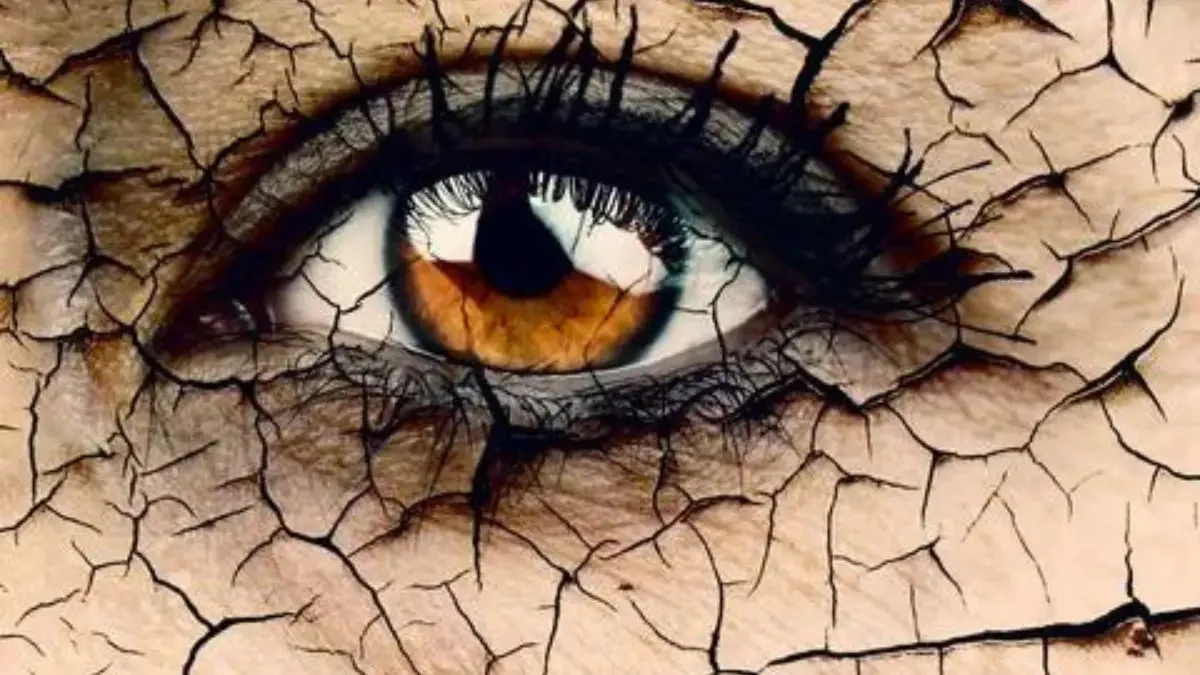
Skin dryness in menopause is a common complaint affecting approximately 60% of women during the menopausal transition. This phenomenon is not merely cosmetic  it represents a real physiological change in how the skin functions and maintains hydration.
 
Understanding the causes behind this transformation is the first step toward effectively managing the problem.
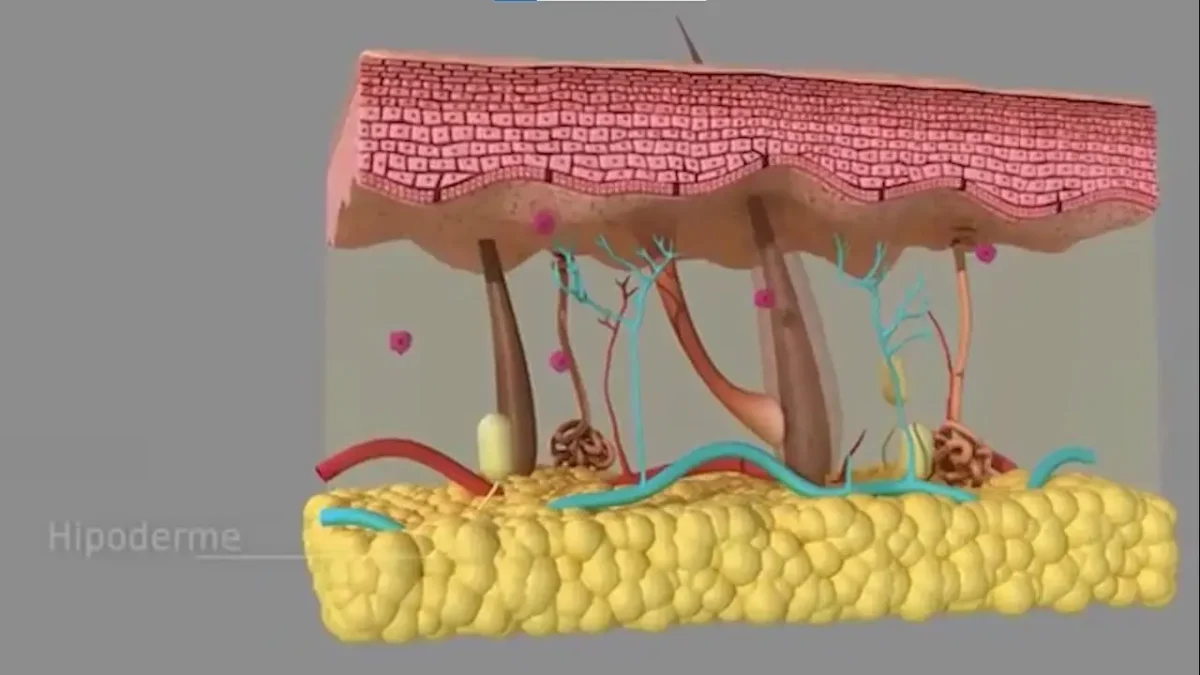
The skin is the largest organ of the human body and functions as a protective barrier against the external environment. During menopause, this barrier undergoes significant alterations that compromise its ability to retain moisture. Skin in menopause experiences transformations that go far beyond surface dryness, affecting the deeper layers of the epidermis.

The Scientific Causes of Dehydrated Skin
best collagen for women

The Role of Estrogen in Skin Hydration

Estrogen is a fundamental hormone for skin health. During reproductive years, this hormone maintains adequate levels of collagen, elastin, and hyaluronic acid essential components for hydrated and youthful skin.
 
When estrogen levels decline during menopause, the skin loses its ability to retain water efficiently.
Dehydration in menopause occurs because estrogen regulates the production of natural skin oils (sebum) and influences the synthesis of hyaluronic acid, a molecule that can retain up to 1,000 times its weight in water. Without adequate estrogen levels, the skin cannot maintain this essential hydration.
 
To learn more about how collagen profoundly affects skin health during menopause, .
 
Scientific research demonstrates that the decrease in estrogen reduces the thickness of the epidermis by up to 30% and significantly decreases the amount of collagen produced annually. This loss of collagen not only leaves skin drier but also contributes to the appearance of wrinkles and loss of elasticity.
 
Hyaluronic acid is absolutely crucial for maintaining skin hydration. .
 

Alterations in the Lipid Barrier

The skin’s lipid barrier a layer of natural fats that protects and hydrates is also affected by hormonal decline. Skin dryness in menopause is often the direct result of this alteration in the skin’s lipid composition. When this barrier becomes compromised, transepidermal water loss increases significantly.
 
The lipid barrier functions as a “seal” that prevents water from escaping the skin. During menopause, the reduction of ceramides, cholesterol, and free fatty acids weakens this seal, allowing moisture to evaporate more rapidly. This explains why many women notice their skin becomes uncomfortably dry even when using regular moisturizers.

Reduction in Cutaneous Blood Circulation

Another important factor related to skin in menopause is the reduction in cutaneous blood circulation. Estrogen improves blood flow to the skin, ensuring that nutrients and oxygen arrive adequately. With the decrease in this hormone, circulation diminishes, resulting in paler, less nourished, and drier skin.

Impacts of Dehydration in Menopause on Quality of Life
wrinkles and menopause


Physical Discomfort and Irritation

Dehydration in menopause is not just a cosmetic problem. Many women experience significant physical discomfort, including itching, burning sensations, and general skin irritation. These symptoms can interfere with daily activities and affect quality of life.
Dehydrated skin is more sensitive to chemicals, fragrances, and even touch. Women frequently report that their skin became more reactive during menopause, developing redness and irritation with products they had used for years without problems.

Psychological and Emotional Impact

Beyond physical symptoms, skin dryness in menopause can have significant psychological impacts. Skin is visible to the world, and noticeable changes in its appearance can affect self-esteem and confidence. Many women report feelings of frustration and loss of identity when their skin changes during menopause.
 
It is important to remember that dryness does not affect only facial skin. , and how this is connected to the same hormonal processes.
The appearance of skin is intrinsically linked to self-esteem and emotional well-being. When skin in menopause becomes visually different rougher, with more wrinkles and less radiance this can impact how women see themselves and feel about themselves.

Acceleration of Apparent Aging

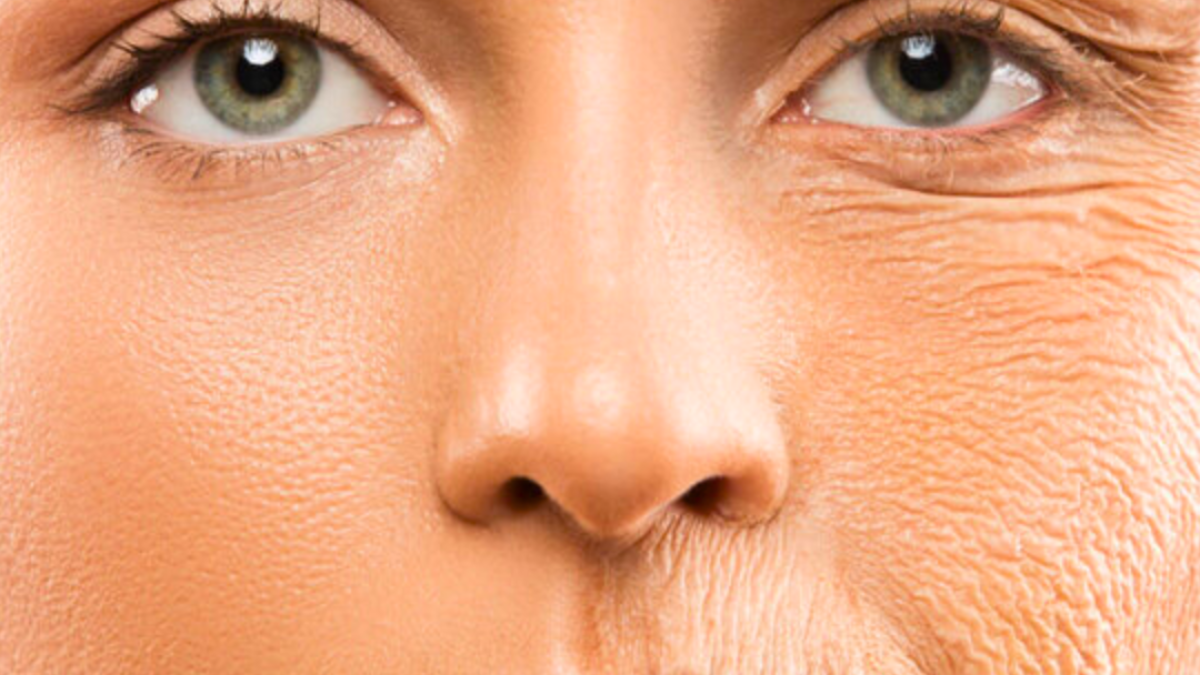
Dehydrated skin ages more rapidly. When skin lacks adequate hydration, wrinkles become more pronounced, tone becomes uneven, and texture deteriorates. Skin dryness in menopause can make a woman appear several years older than she actually is.
Dehydrated skin and lack of collagen work together to accelerate visible aging. .

Natural Solutions for Skin Dryness in Menopause
skin hydration menopause

Internal Hydration: The Importance of Drinking Water

One of the simplest and most effective strategies to combat dehydration in menopause is to increase water intake. Although it seems obvious, many women do not drink enough water daily. Internal dehydration contributes significantly to skin dehydration.
Experts recommend drinking at least 8 glasses of water per day, but during menopause, when the body undergoes significant changes, it may be necessary to increase this amount. Water not only hydrates skin from the inside out but also improves blood circulation and helps eliminate toxins.

Natural Oils and Medicinal Plants

For skin in menopause, natural oils can be extremely beneficial. Rosehip oil, jojoba oil, and coconut oil are known for their hydrating and regenerative properties. These oils contain essential fatty acids that help restore the skin’s lipid barrier.
Medicinal plants such as chamomile, aloe vera, and calendula also offer significant benefits for skin dryness in menopause. These plants have anti-inflammatory and hydrating properties that can relieve irritation and restore the skin’s natural moisture.

Essential Nutrients

Dehydration in menopause can be alleviated through specific nutrients. Vitamin C, vitamin E, omega-3, and antioxidants are fundamental for skin health. Foods rich in antioxidants, such as berries, leafy greens, and nuts, help protect skin from oxidative stress that accelerates aging.
Hydrolyzed collagen, found in natural supplements, can help restore skin structure. Studies show that collagen supplementation can improve hydration and elasticity in menopausal women’s skin.

Phytoestrogens: Natural Allies

Phytoestrogens are plant compounds that mimic the action of estrogen in the body. Foods such as flaxseed, soy, and red clover contain phytoestrogens that can help mitigate some effects of hormonal decline on skin in menopause.
Although phytoestrogens do not replace lost estrogen, they can offer some support to the body during the menopausal transition. Many women report improvements in skin hydration after increasing consumption of phytoestrogen-rich foods.

Topical Care for Skin Dryness in Menopause

Gentle Cleansing

During menopause, when skin is more sensitive, it is crucial to use gentle cleansing products. Overly aggressive cleansers remove the skin’s natural oils, worsening dehydration in menopause. Opt for oil-based or milk cleansers that remove dirt without damaging the protective barrier.
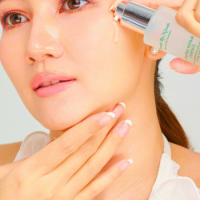
Menopause is a profound biological

Appropriate Hydration

Rich moisturizers containing ingredients like hyaluronic acid, glycerin, and ceramides are essential for skin in menopause. These ingredients help retain moisture in the skin and restore the lipid barrier. Applying moisturizer to slightly damp skin increases its effectiveness.

Sun Protection

Sun protection is important at all ages but especially important during menopause. UV radiation damages collagen and worsens skin dryness in menopause. Use sunscreen with SPF 30 or higher daily, even on cloudy days.


Lifestyle Changes to Combat Dehydration in Menopause

Adequate Sleep

During sleep, the body performs cellular repairs and regeneration. Women who sleep poorly frequently have drier and more aged skin. Aim to sleep 7-9 hours per night to allow your body to adequately regenerate skin.

Stress Management

Chronic stress increases inflammation in the body and worsens skin dryness in menopause. Practices such as meditation, yoga, and breathing exercises can help reduce stress and improve overall skin health.

Regular Exercise

Physical activity improves blood circulation, which is fundamental for skin in menopause. Regular exercise increases blood flow to the skin, ensuring it receives adequate nutrients and oxygen. This results in more radiant and better-hydrated skin.


When to Seek Professional Help

Although many cases of skin dryness in menopause can be managed with lifestyle changes and natural care, some cases require professional intervention. If you experience:
•Severe irritation or allergic reactions
•Skin that does not improve after several weeks of care
•Intense itching that interferes with sleep
•Signs of infection
Consult a dermatologist. Medical professionals can offer more specific treatments, such as hormone replacement therapy or specialized dermatological procedures.

Conclusion

Skin dryness in menopause is a real challenge that many women face, but it is not a permanent sentence. With understanding of the scientific causes behind this transformation and implementation of natural and effective strategies, it is possible to restore skin health and hydration.
 
Dehydration in menopause can be managed through a holistic approach that combines internal hydration, adequate nutrients, appropriate topical care, and lifestyle changes. Each woman is unique, and what works for one may not work for another it is important to experiment and find the approach that works best for your body and skin.
 
Skin in menopause does not need to be a source of frustration. With patience, knowledge, and the right tools, you can navigate this transition with confidence and maintain healthy, hydrated, and radiant skin.
Remember: menopause is a natural transition, not a disease.
 
Your skin is changing, but that does not mean it cannot be beautiful and healthy. Care for yourself with compassion during this important phase of your life.
 
This article is purely informative and does not replace professional medical advice. Always consult a dermatologist or physician before starting any treatment for your skin. The information presented here is based on scientific research, but each person is unique and may respond differently to treatments.

Scientific Studies

1. Thornton, M. Julie & Misra, Rajesh P.”Estrogen and Skin Aging: Clinical Efficacy of Estrogen Receptor Beta Agonists.” *Dermato-Endocrinology*, Vol. 5, No. 2, 2013.

2. Papakonstantinou, Eleni; Roth, Michael & Karakiulakis, GĂ¼nter.** “Hyaluronic Acid and Skin Hydration: Mechanisms and Clinical Applications in Menopausal Women.” *International Journal of Molecular Sciences*, Vol. 17, No. 8, 2016.

3. Cano, Antonio; Chedraui, Peter & Goulis, Dimitrios G. “Phytoestrogens and Skin Health During Menopause: A Systematic Review.” *Maturitas*, Vol. 124, 2019.

Written and reviewed by: Dr. Vilma Mendonça – Pharmacist
Image bank – Pexls

Vilma Mendonca

Writer & Blogger

Leave a Reply

Your email address will not be published. Required fields are marked *

Related Posts

Blooming in Maturity Menopause with Natural Therapies and Self-Care.

Contact

Copyright @2025 Mariah Chic - All rights reserved