Generic selectors
Exact matches only
Search in title
Search in content
Post Type Selectors
Generic selectors
Exact matches only
Search in title
Search in content
Post Type Selectors

Why is Hair Loss so Common During Menopause?

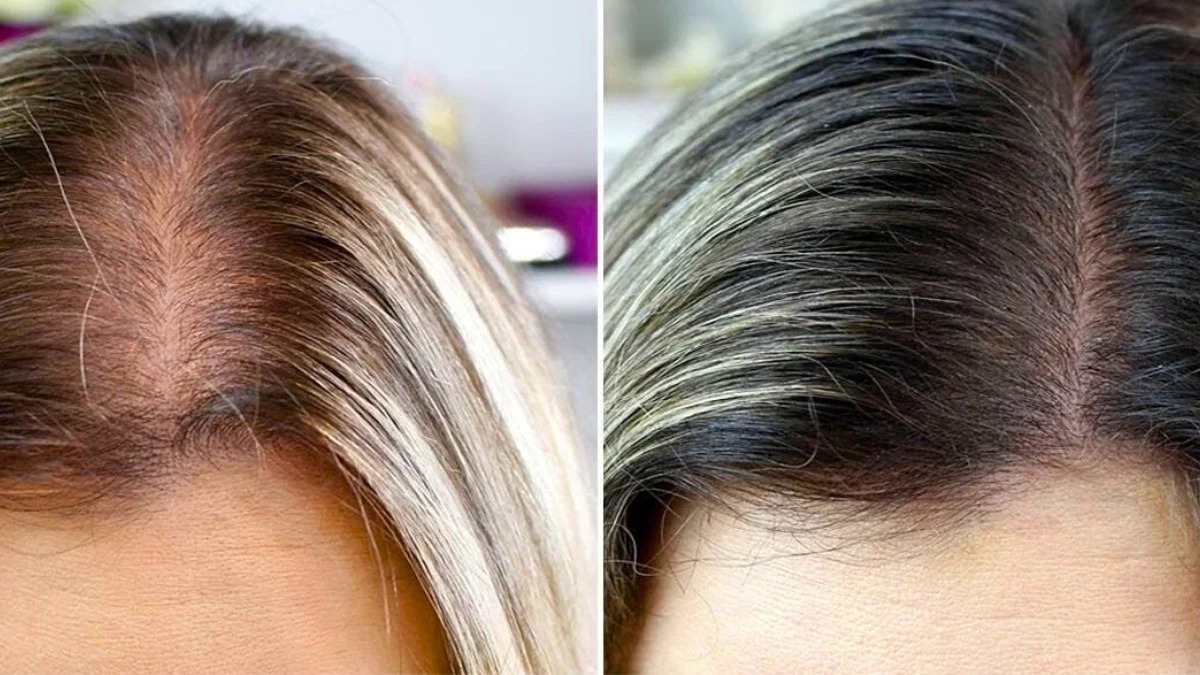
Hair loss during menopause
 
Hair loss during menopause is a common concern affecting many women worldwide. When estrogen levels drop dramatically, the hair growth cycle is disrupted, resulting in volume loss, brittleness, and excessive shedding. As a pharmacist with over 20 years of experience, I see women daily seeking natural and effective solutions for this problem.
 
The good news? There are specific nutrients that can help strengthen your hair and reduce shedding. In this article, I’ll explore how Calcium Pantothenate (Vitamin B5) and Biotin (Vitamin B7) work to restore your hair health during menopause.
Learn more about menopause supplements: https://mariahchic.com/menopause/joint-pain-in-menopause

Why Does Hair Fall Out During Menopause?

Hormones and Hair Growth Cycle

During menopause, estrogen levels drop drastically. This hormone is responsible for keeping hair in the growth phase (anagen) for longer periods. When estrogen decreases, more hair enters the shedding phase (telogen), resulting in visible hair loss.

Nutritional Deficiencies

Menopause also affects the absorption of essential nutrients. Hair is made primarily of protein (keratin), but it needs B vitamins, iron, zinc, and other minerals to grow strong and healthy. Many menopausal women develop deficiencies that worsen hair loss.

Systemic Inflammation

The decrease in estrogen increases inflammation throughout the body, including the scalp. This inflammation can damage hair follicles and accelerate hair loss.

The Role of Calcium Pantothenate (vitamin B5) and Biotin

vitamin supplements

What is Calcium Pantothenate?

Calcium Pantothenate is the stable form of Vitamin B5, a water-soluble vitamin essential for energy metabolism and protein synthesis. It’s especially important for hair health because it participates in keratin production, the structural protein of hair strands.

How It Works for Hair

Structural Strengthening: Calcium Pantothenate is an essential cofactor in protein synthesis. Without sufficient amounts, your body cannot produce quality keratin, resulting in fragile and brittle hair.
Hydration: This vitamin helps maintain your hair’s natural moisture, preventing dryness and brittleness that lead to shedding.
Inflammation Reduction: Studies show that Vitamin B5 has anti-inflammatory properties that can calm inflamed scalps.
Improved Circulation: It contributes to better blood circulation in the scalp, ensuring that hair follicles receive adequate nutrients.

Recommended Dosage

For hair health, the typical dosage is 5-10 mg daily. Some studies used up to 20 mg for severe hair loss cases. Start with 5 mg and increase gradually if needed.

What is Biotin?

Biotin, also known as Vitamin B7 or Vitamin H, is a water-soluble B vitamin that functions as a cofactor for enzymes involved in amino acid and fatty acid metabolism. It’s often called the “beauty vitamin” because it’s crucial for healthy hair, skin, and nails.

How It Works for Hair

Keratin Synthesis: Biotin is essential for keratin production, the protein that forms hair structure. Without sufficient biotin, hair strands become fragile and brittle.
Improved Elasticity: It increases hair flexibility, reducing breakage and shedding.
Follicle Strengthening: It improves hair follicle health, allowing them to produce stronger strands.
Telogen Effluvium Reduction: Studies show that biotin can significantly reduce telogen effluvium (the type of hair loss that occurs during menopause).

Scientific Evidence

A 2015 study published in “Skin Appendage Disorders” showed that women taking biotin experienced 25-30% reduction in hair loss after 6 months.

Recommended Dosage

For hair health, the typical dosage is 2.5-5 mg daily. Some studies used up to 10 mg for severe hair loss cases. Biotin is safe even at high doses because it’s water-soluble (excess is eliminated through urine).
Learn more about menopause supplements: https://mariahchic.com/menopause/beautiful-during-menopause

Calcium Pantothenate + Biotin: Powerful Synergy
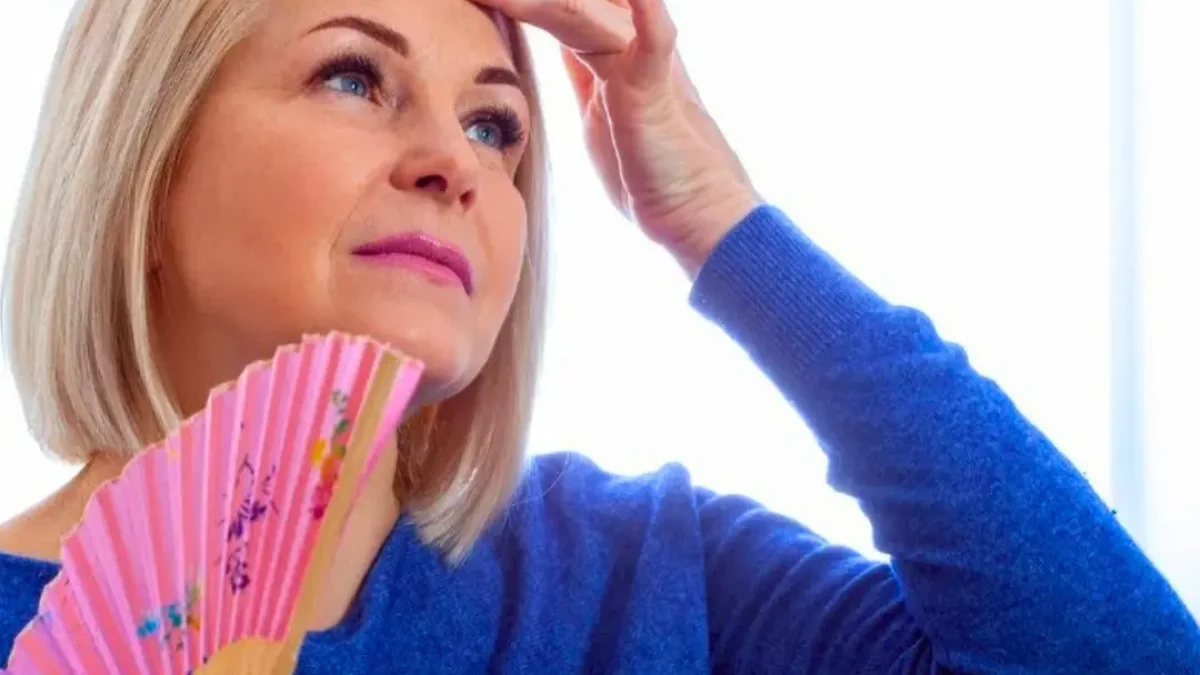
menopause symptoms

Why Combine Them?

When you combine Calcium Pantothenate and Biotin, you create powerful synergy. Both B vitamins work together in protein and fatty acid metabolism. Using both increases the effectiveness of each one.

Recommended Combination

Daily Dosage:
•Calcium Pantothenate: 5-10 mg
•Biotin: 2.5-5 mg
Best Time: Take with meals for better absorption.
Format: Prefer tablets or capsules. Liquid supplements may have lower bioavailability.
 

Complementary Nutrients

While Calcium Pantothenate and Biotin are the main players, other nutrients amplify results:

Iron  is essential for transporting oxygen to hair follicles. Iron deficiency causes telogen effluvium. Recommended: 18 mg daily for menopausal women.

Zinc participates in protein synthesis and cell growth. Deficiency causes hair loss. Recommended: 8-11 mg daily.

Vitamin C Necessary for collagen synthesis and iron absorption. Recommended: 75-90 mg daily.

Omega-3 Reduces inflammation and improves scalp health. Recommended: 1000-2000 mg daily of EPA+DHA.

Protein Hair is made of protein. Ensure you consume 1.2-1.6g of protein per kg of body weight daily.

Foods to Strengthen Hair
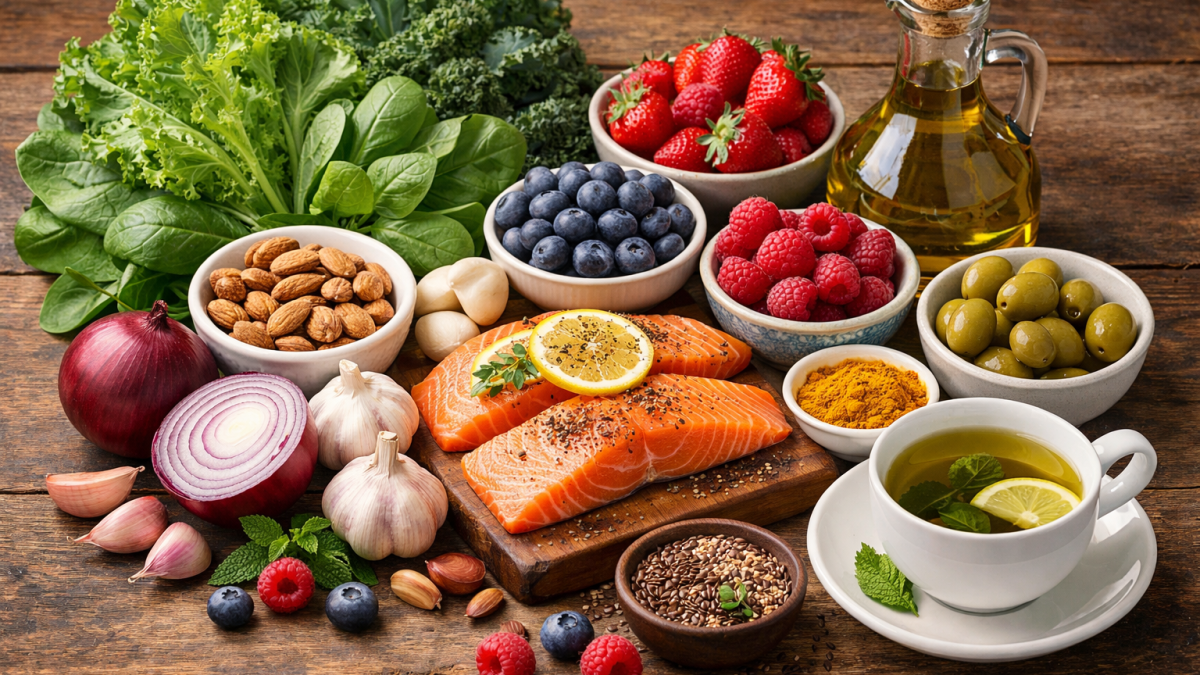
healthy foods
Beyond supplements, your diet is crucial:

Biotin-Rich Foods

•Eggs (especially the yolk)
•Almonds
•Salmon
•Avocado
•Sweet potato
•Mushrooms
•Broccoli

Calcium Pantothenate-Rich Foods

•Chicken
•Mushrooms
•Avocado
•Eggs
•Yogurt
•Button mushrooms
•Sunflower seeds

Iron-Rich Foods

•Red meat
•Beans
•Lentils
•Spinach
•Beets
•Seafood

Zinc-Rich Foods

•Oysters
•Red meat
•Pumpkin seeds
•Chickpeas
•Cashews
•Milk
Discover our women’s health channel: https://www.youtube.com/@menopausepharmacy

Safety and Contraindications

Calcium Pantothenate

Safety: Extremely safe. No maximum limit established because it’s water-soluble.
Side Effects: Rare. Some report mild digestive discomfort at very high doses (>20g).
Contraindications: None significant. Safe for menopausal women.

Biotin

Safety: Very safe. No maximum limit established.
Side Effects: Rare. Some report acne at very high doses (>10mg).
Contraindications: None significant. Safe for menopausal women.
Interactions: May interfere with laboratory tests (TSH, troponin). Inform your doctor if you’ll have tests done.

When to Consult a Doctor

Seek professional help if:
•Hair loss is severe and sudden
•You have other health conditions
•You’re taking medications (especially anticonvulsants)
•You have a history of allergies to any component

Practical Tips to Maximize Results

Calcium Pantothenate and Biotin

Hair Care

•Use gentle, sulfate-free shampoos
•Avoid very hot water
•Don’t use high-heat hair dryers
•Avoid tight hairstyles
•Perform daily 5-minute scalp massage (improves circulation)

Lifestyle

•Sleep 7-8 hours per night (essential for protein synthesis)
•Reduce stress (cortisol increases hair loss)
•Exercise regularly (improves circulation)
•Drink 2-3 liters of water daily

Strategic Supplementation

•Take with meals for better absorption
•Be consistent (don’t skip days)
•Combine with healthy eating
•Be patient (hair grows slowly)

Frequently Asked Questions

Q: Can I take Calcium Pantothenate and Biotin together?

A: Yes, absolutely! In fact, I recommend combining them because they work synergistically.

Q: How long should I take them?

A: Minimum 3-4 months to see results. Ideally 6 months. Afterward, you can maintain a maintenance dose.

Q: Can I stop after 6 months?

A: You can reduce to a maintenance dose (half the dose), but if you stop completely, hair loss may return in 2-3 months.

Q: Does it work for everyone?

A: It works best for telogen effluvium (which is the type during menopause). If hair loss is from androgenetic alopecia, results are less significant.

Q: Do I need a prescription?

A: No. Calcium Pantothenate and Biotin are supplements, not medications. You can buy them without a prescription.

Q: Which brand should I buy?

A: Look for trusted brands with quality certification. Verify that it contains the correct dosage.

Q: Can I take them with other medications?

A: Generally yes, but consult your doctor or pharmacist if you’re taking specific medications.

Conclusion

Hair loss during menopause is frustrating, but treatable. Calcium pantothenate and biotin are scientifically proven nutrients that strengthen hair and reduce hair loss.

The key is:

• Start with the recommended dosages

• Be consistent for at least 3 to 4 months

• Combine with a healthy diet

• Take care of your hair externally

• Be patient (hair grows slowly)

If you are suffering from hair loss during menopause, don’t despair. With the right approach, you can restore the health and beauty of your hair.

Scientific References

1.Patel DP, et al. (2017). “A Review of the Use of Biotin for Hair Loss.” Dermatology Practical & Conceptual.
2.Zempleni J, et al. (2009). “Biotin and biotinidase deficiency.” Expert Review of Endocrinology & Metabolism.
3.Ablon G, et al. (2015). “A Double-Blind, Placebo-Controlled Study Evaluating the Efficacy of an Oral Supplement in Women with Self-Perceived Thinning Hair.” Journal of Clinical and Aesthetic Dermatology.
4.Rushton DH. (2002). “Nutritional factors and hair loss.” Clinical and Experimental Dermatology.
5.Sinclair R. (2005). “Androgenetic alopecia: an update for men and women.” Dermatology Clinics.

Written by Vilma Mendonça, Pharmacist

With over 20 years of experience in phytotherapy and natural health
Disclaimer: This article is for informational purposes only. Consult a healthcare professional before starting any supplementation, especially if you have pre-existing health conditions or are taking medications.
IMAGE: PEXELS

Vilma Mendonca

Writer & Blogger

Leave a Reply

Your email address will not be published. Required fields are marked *

Related Posts

Blooming in Maturity Menopause with Natural Therapies and Self-Care.

Contact

Copyright @2025 Mariah Chic - All rights reserved