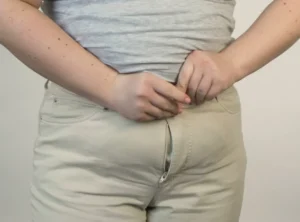
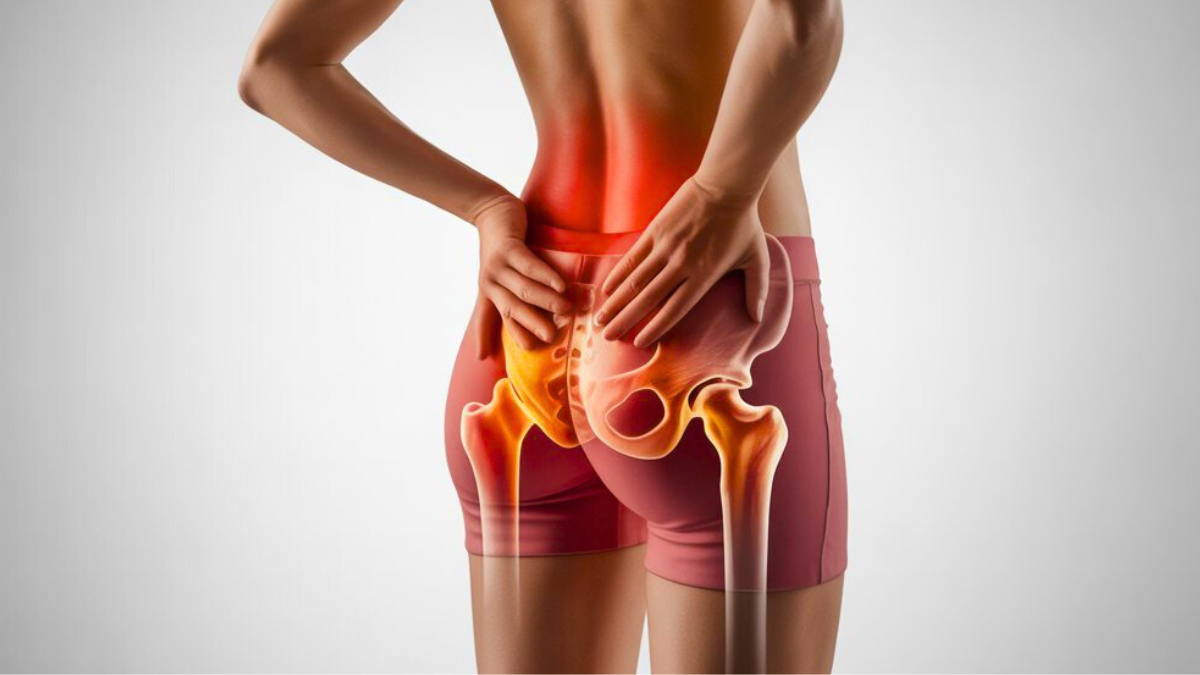
Hip pain is one of the most common musculoskeletal complaints reported by women during menopause. Many women experience discomfort when walking, pain when lying on one side, stiffness upon waking, or a persistent ache in the hip region that gradually interferes with daily activities and sleep quality.
Although these symptoms are often attributed solely to aging, menopause itself plays a central role. Hormonal decline especially the reduction of estrogen directly affects bones, muscles, tendons, and joints, making the hip joint more vulnerable to inflammation and pain.
Understanding why these changes happen is the first step toward managing symptoms safely and effectively.
👉Related article: https://mariahchic.com/menopause/7-natural-treatments-for-menopause-pain
Hip Pain During Menopause: Why Are They So Common?
The menopausal transition is marked by a significant decline in estrogen levels. Estrogen is essential for maintaining bone density, muscle mass, joint lubrication, and tissue elasticity.
When estrogen decreases, several physiological changes occur simultaneously:
-
increased systemic inflammation
-
accelerated loss of muscle mass
-
reduced tendon and ligament elasticity
-
decreased joint protection
-
higher susceptibility to joint overload
Because the hip is a weight-bearing joint, these changes tend to manifest more intensely in this region. LOOK: https://www.youtube.com/watch?v=ACYlf9Qvq-M
Main Causes of Hip Pain During Menopause

HIP PAIN DURING MENOPAUSE AND MUSCLE LOSS (Sarcopenia)
One of the most underestimated causes of hip pain during menopause is sarcopenia — the progressive loss of muscle mass and strength that accelerates after the age of 40 and intensifies with hormonal decline.
When the muscles responsible for stabilizing the hip joint weaken, the joint itself becomes overloaded. This mechanical imbalance increases friction, inflammation, and pain during movement and even at rest.
You can learn more about how muscle loss affects joint stability here:
👉Related article🔗 https://mariahchic.com/menopause/sarcopenia-in-menopause
Osteoarthritis and Bone Changes Related to Hip Pain during Menopause
The loss of estrogen accelerates cartilage wear and reduces the body’s ability to maintain healthy bone tissue. This process increases the risk of osteoarthritis and structural joint changes.
Additionally, declining bone density reduces the joint’s capacity to absorb impact, increasing pressure on the hip.
For a deeper understanding of this process, see:
👉Related article🔗 https://mariahchic.com/menopause/bone-density-with-bone
Weight Gain and Mechanical Overload
Weight gain during menopause especially around the abdomen alters posture and shifts the body’s center of gravity. This change increases mechanical stress on the hips, knees, and lower back, worsening pain and limiting mobility.
Even modest weight gain can significantly intensify hip discomfort when combined with muscle loss and inflammation.
How to Relieve Hip Pain during Menopause Safely

Physical Activity as a Foundation for Hip Health
Regular physical activity is one of the most effective strategies for managing hip pain during menopause. The goal is not high-impact exercise, but consistent, joint-friendly movement.
Recommended options include:
-
walking
-
swimming
-
Pilates
-
strength training focused on hips and glutes
Exercise improves circulation, supports joint lubrication, reduces inflammation, and helps preserve muscle mass.
Anti-Inflammatory Nutrition and Lifestyle
Diet plays a key role in pain modulation. An anti-inflammatory eating pattern helps reduce joint discomfort and supports overall metabolic health.
Key strategies include:
-
prioritizing omega-3-rich foods
-
increasing fruit and vegetable intake
-
ensuring adequate protein consumption
-
limiting ultra-processed foods, alcohol, and excess sugar
Hydration is also essential for joint and tissue health.
Hip Pain During Menopause: Individualized Hormonal and Complementary Approaches

Medical Hormonal Assessment
For some women, hip pain is closely linked to estrogen deficiency, especially when accompanied by hot flashes, sleep disturbances, mood changes, and fatigue.
A personalized medical evaluation allows healthcare providers to assess whether hormone therapy may be beneficial, always considering individual risk factors and overall health status.
https://pt.pinterest.com/pin/1023231977851398085
Natural and Complementary Support for Hip Pain During Menopause
For women who prefer non-hormonal approaches, certain plant-based therapies may be considered as complementary support. Some phytotherapeutic compounds are traditionally used to help manage inflammation, stress, and menopausal discomfort.
These approaches do not replace medical care but may be part of an integrative strategy when properly guided.
You can explore this topic further here:
👉Related article🔗 https://mariahchic.com/menopause/natural-remedies-and-menopause-symptoms
The Emotional Impact of Chronic Hip Pain During Menopause
Persistent pain affects more than physical health. Mobility limitations, sleep disruption, and reduced independence can contribute to anxiety, irritability, and emotional distress.
Addressing pain comprehensively body and mind is essential for maintaining quality of life during menopause.
https://pt.pinterest.com/pin/1023231977851919861
Conclusion:
Hip pain during menopause Deserve Attention
Hip pain during menopause is not simply a consequence of aging. It reflects complex hormonal, muscular, and skeletal changes that deserve proper attention and care.
With informed medical follow-up, appropriate physical activity, balanced nutrition, and individualized treatment strategies, it is possible to significantly reduce discomfort and preserve mobility during this stage of life.
Listening to your body and seeking reliable information is an important step toward healthier, more comfortable menopause years.
Scientific Studies
-
Musculoskeletal pain and menopause: a systematic review
Published in 2019 – Menopause: The Journal of The North American Menopause Society -
Estrogen deficiency and its impact on joint and connective tissue health in postmenopausal women
Published in 2018 – Journal of Endocrinological Investigation
Written and reviewed by: Dr. Vilma Mendonça – Pharmacist
Image bank – Pexels