
If you have noticed your clothes fitting tighter around your waist, or if you feel like you are gaining weight despite maintaining your usual diet and exercise routine, you are not alone. For many women over 45, the sudden shift in body composition during menopause often referred to as the “menopause belly” is deeply frustrating.
Many traditional fitness programs advise you to simply “eat less and run more.” However, as a clinical pharmacist with 20 years of experience, I must tell you that menopause weight gain is not a failure of willpower; it is a complex endocrinological shift that reorganizes how your body stores and processes energy.
The Hormonal Trigger: Estradiol and Visceral Fat
Menopause weight gain is primarily triggered by the decline of estradiol, which slows your metabolic rate and alters fat distribution. This hormonal deficit signals your body to shift fat storage away from your hips and thighs and directly into your deep abdomen, leading to stubborn visceral fat accumulation.
During your reproductive years, estrogen directs body fat to the subcutaneous areas of the hips and thighs to support potential pregnancies.
When estradiol levels decline during the menopausal transition, this biological blueprint changes. Visceral fat the dangerous type of fat that wraps around your abdominal organs increases, which can elevate systemic inflammation and metabolic risks
The Insulin Resistance and Cortisol Connection
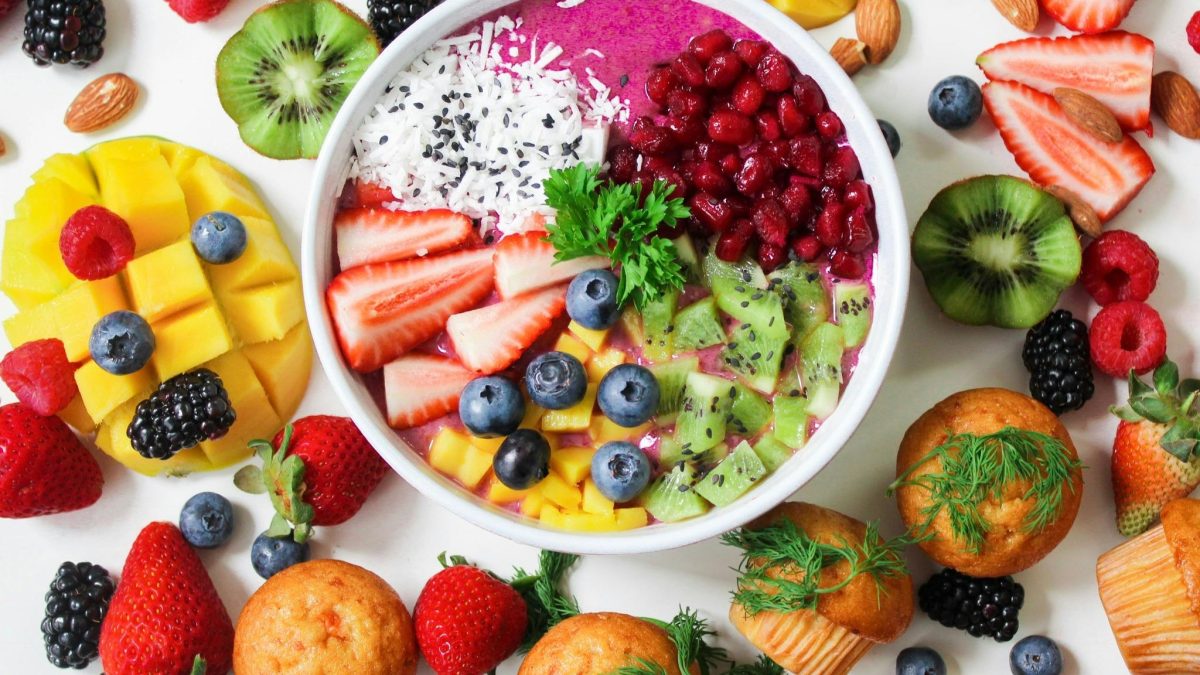
Declining estrogen levels impair insulin sensitivity, making your cells less efficient at absorbing glucose and causing your body to store excess calories as fat. This metabolic change, compounded by sleep deprivation and cortisol spikes, accelerates abdominal fat storage and triggers intense sugar cravings.
Additionally, the physical stress of menopause such as hot flashes and chronic insomnia causes your adrenal glands to produce excess cortisol.
Cortisol is a stress hormone that works hand-in-hand with insulin to lock fat inside your visceral abdominal cells.
This hormonal combination also disrupts your gut microbiota, leading to digestive bloating and further stalling your weight loss efforts
Pharmacist's Clinical Strategies to Manage Menopause Weight
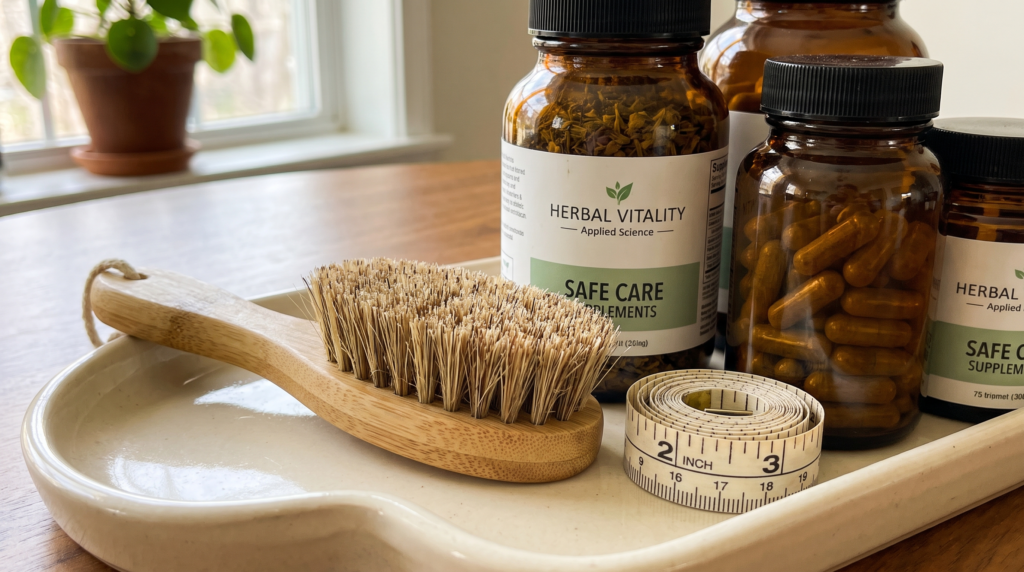
To effectively reverse menopausal weight accumulation and restore your metabolic health, you must adopt a strategic, hormone-supportive approach:
- Support with Insulin-Sensitizing Nutrients: Clinical evidence highlights the benefit of incorporating [High-Quality Berberine or Inositol supplements] to help regulate blood glucose levels and reduce cravings naturally.
- Embrace Anti-Inflammatory Nutrition: Transition to a diet rich in phytonutrients, healthy fats (like extra virgin olive oil), and lean proteins to soothe systemic inflammation and support muscle preservation
- Balance the Adrenal Cortisol Curve: Adaptogenic herbs, such as Ashwagandha, can help lower nighttime cortisol levels, improving sleep quality and halting stress-induced fat storage.
- Incorporate Resistance Training: Rather than focusing solely on intense cardio, prioritize strength training to preserve skeletal muscle mass and elevate your baseline metabolic rate.
Frequently Asked Questions
Why am I gaining abdominal fat during menopause, even while maintaining a healthy diet?
During menopause, a drop in estradiol levels naturally reduces your insulin sensitivity and slows your metabolism. This hormonal shift alters how your body stores fat, shifting it away from subcutaneous tissue (such as in the hips) and toward storage as deep abdominal (visceral) fat.What are the best natural supplements to support metabolism during menopause?
Clinical research suggests that compounds that increase insulin sensitivity such as berberine along with metabolic adaptogens like ashwagandha, can help support glucose metabolism and reduce stress-induced cortisol spikes. Always consult your doctor to check for potential interactions with any medications you are currently taking.Why am I gaining belly fat during menopause even with diet and exercise?
The decline of estradiol shifts your body’s natural fat storage from subcutaneous areas to the abdomen, forming visceral fat. This hormonal transition, combined with increased insulin resistance and age-related muscle loss, slows down your metabolism and makes traditional weight loss methods less effective.
Can natural supplements help reverse menopause weight gain?
Yes, certain micronutrients and botanical extracts can support insulin sensitivity and lower systemic inflammation. However, supplement strategies must be tailored to your health profile, as active botanicals can interact with prescription drugs, particularly thyroid and diabetes medications.
Is weight gain during menopause inevitable?
No. It is extremely common, but not inevitable. Women who begin strength training and optimize protein intake before or at the onset of perimenopause consistently achieve better body composition outcomes than those who do not. Even women who have already gained weight can significantly improve their body composition with the right approach.Will weight be lost after menopause?
Spontaneous weight loss is unlikely for most women, given the hormonal conditions that drove the change such as reduced estrogen, lower muscle mass, and potentially a slower metabolic rate do not reverse after menopause. However, with active interventions including strength training, adequate protein intake, and an anti-inflammatory diet significant improvement is possible at any stage.Does hormone therapy help with weight management?
Hormone therapy does not cause weight gain. It can assist in fat redistribution by partially restoring the role of estrogen, which helps direct fat away from the abdominal area. However, it is not, in itself, a weight management tool; it works best when combined with the lifestyle interventions described earlier.💊 About the Author
About the Author
Reviewed by pharmacist Vilma Mendonça, CRF 9930RJ — Specialist in Phytotherapy and Homeopathy
Vilma Mendonça is a Registered Pharmacist with over 20 years of clinical experience. She is the founder of Mariah Chic, a science-backed natural health platform dedicated to helping women over 45 navigate mature life with scientific clarity, vitality, and grace.
Disclaimer: The content provided on Mariah Chic is for educational and informational purposes only. It is not intended to substitute for professional medical advice, diagnosis, or treatment of any health condition
Scientific References
- Davis, S. R., et al. (2012). Understanding body composition shifts and metabolic parameters during the menopausal transition. Climacteric Journal.
- Reis, A. M., et al. (2018). Visceral adiposity, insulin resistance, and the protective role of phytoestrogens in mature women. Journal of Clinical Endocrinology.
- Image IA
One Response