Reviewed by Pharmacist Vilma Mendonça, CRF 9930RJ – Specialist in Phytotherapy and Homeopathy

You have noticed that your strength is not what it used to be. Climbing stairs tires you more. Carrying groceries has become harder. Your body feels heavier but at the same time, weaker. And the scale shows a similar number to before, but the mirror shows something different.
What is happening has a name: sarcopenia. And during menopause, it progresses much faster than most women imagine.
This article explains exactly what sarcopenia is, why menopause significantly accelerates muscle loss, what the real risks of that loss are and what you can do, through nutrition and exercise, to preserve your muscles and your independence in the coming decades.
What Is Sarcopenia? The Definition That Changes Everything
Sarcopenia is the progressive loss of muscle mass, strength, and physical performance associated with aging. The name comes from the Greek sarx (flesh) and penia (loss).
This is not about “looking less toned” or aesthetics. Sarcopenia is an internationally recognized clinical condition with its own diagnostic criteria, associated with falls, fractures, physical disability, and increased mortality.
How Sarcopenia Is Diagnosed
The international criteria of the EWGSOP2 (European Working Group on Sarcopenia in Older People) define sarcopenia as the combination of:
- Low muscle strength – assessed by handgrip test or chair stand speed
- Low muscle quantity or quality – assessed by DEXA, bioimpedance, or CT scan
- Low physical performance – assessed by gait speed, balance test, or walking test
In clinical practice, many women already have incipient sarcopenia at 45 or 50 years old without ever having received this diagnosis because routine tests simply do not evaluate muscle mass.
Sarcopenia and Sarcopenic Obesity
A particularly common pattern in menopause is sarcopenic obesity: the woman loses muscle mass while simultaneously gaining visceral fat. The scale weight may remain stable or even increase slightly while body composition deteriorates significantly.
This explains why so many women say “I changed nothing and everything changed.” They are right. Body composition changed even though the weight did not.
Why Menopause Accelerates Muscle Loss
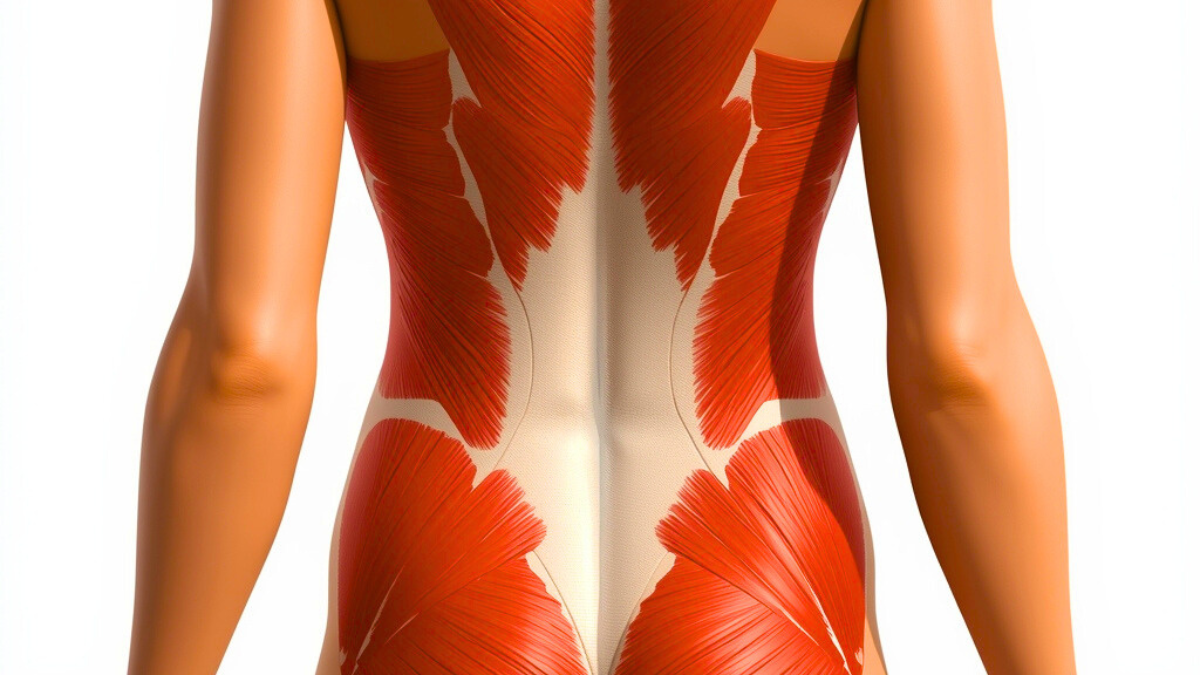
Sarcopenia begins gradually from the age of 30 with a loss of approximately 3 to 8% of muscle mass per decade. But during menopause, this process accelerates dramatically.
The Role of Estrogen in Muscle
Estrogen is not just a reproductive hormone. It has receptors in muscle fibers and performs essential functions for muscle health:
- Stimulates muscle protein synthesis – the process by which muscle is built and repaired
- Reduces protein degradation – slowing muscle catabolism
- Activates satellite cells – muscle stem cells responsible for regenerating muscle tissue after exercise
- Has a local anti-inflammatory effect – reducing the chronic inflammation that accelerates muscle loss
When estrogen drops during menopause, all of these protective effects weaken simultaneously. A study published in February 2026 in the Journal of Cachexia, Sarcopenia and Muscle. Confirmed that the increase in the prevalence of sarcopenia in women coincides with the onset of menopause, characterized by large hormonal changes especially the reduction in estrogen and progesterone.
Anabolic Resistance The Least Known Mechanism
One of the most insidious effects of estrogen decline on muscle is anabolic resistance: the muscle’s ability to respond to exercise and dietary protein decreases.
In practical terms, this means that a postmenopausal woman needs more protein and more exercise stimulus to achieve the same muscle. Result, she previously obtained before menopause with less effort. This is not a lack of dedication it is physiology.
The Other Hormones Involved
The estrogen decline does not act alone. The decline in estrogen, testosterone, DHEA, progesterone, and growth hormone (GH/IGF-1), combined with increased cortisol, all contribute to muscle loss during menopause.
- Testosterone – present in smaller amounts in women but essential for muscle synthesis also declines during menopause
- IGF-1 – insulin-like growth factor, essential for muscle regeneration, also decreases
- Elevated cortisol – chronic stress, very common during menopause, raises cortisol which is directly catabolic it destroys muscle tissue
The Acceleration During Perimenopause
A landmark study published in the Journal of Physiology followed women between 18 and 80 years old measuring muscle tissue, hormone levels, and physical performance. The results confirm that a sharp decline in strength begins in the 40s, when hormonal changes accelerate muscle loss. It is not just aging it is menopause.
This means that accelerated muscle loss begins before menopause during perimenopause not after. Women who wait for menopause to “start worrying about muscles” have already missed an important window of opportunity.
The Real Consequences of Sarcopenia Beyond Strength

Sarcopenia is not just about “getting weaker.” Its consequences profoundly affect quality of life and longevity.
Falls and Fractures
Weak muscles mean a reduced ability to stabilize the body against imbalances. Sarcopenia is one of the main risk factors for falls in women over 50 and falls, combined with the osteoporosis also common in menopause. Frequently result in hip, wrist, and vertebral fractures with serious consequences.
Metabolic Syndrome and Type 2 Diabetes
Skeletal muscle is the body’s largest glucose-consuming tissue. When muscle mass decreases, the body’s ability to metabolize glucose is reduced directly increasing the risk of insulin resistance and type 2 diabetes. Sarcopenia and metabolic syndrome feed each other in a cycle that worsens progressively without intervention.
Cognitive Impairment
Recent research establishes a connection between sarcopenia and cognitive decline. Muscle produces myokines signaling proteins that have a direct neuroprotective effect on the brain. Less muscle means fewer myokines, less brain protection.
Loss of Independence
Severe sarcopenia is directly associated with difficulty performing activities of daily living, such as getting up from a chair without support, climbing stairs, carrying objects, and maintaining balance. It is one of the main determinants of loss of independence in elderly women.
How to Prevent and Reverse Sarcopenia During Menopause

The good news and it is very good is that sarcopenia is neither inevitable nor irreversible in its early stages. With the right interventions, it is possible to preserve and even increase muscle mass during and after menopause.
Resistance Exercise The Most Powerful Intervention
Regardless of initial risk, all middle-aged women should strive to minimize muscle loss with regular resistance training. Adequate protein intake in the diet helps prevent frailty with aging, says Dr. Stephanie Faubion, medical director of the Menopause Society.
Resistance training weightlifting, bodyweight exercises, resistance pilates is the most effective intervention available to combat sarcopenia. The mechanisms include:
- Stimulation of muscle satellite cells for regeneration
- Increased muscle protein synthesis
- Improved insulin sensitivity in muscle
- Increased bone density (an important additional benefit)
Recommended protocol:
- 2 to 3 sessions per week of strength training
- Focus on large muscle groups: glutes, quadriceps, hamstrings, back
- Gradual load progression the muscle needs increasing challenge to adapt
- Include functional exercises: squat, deadlift, row, bench press
Protein Quantity and Quality
A protein intake of 0.8 to 1.2g/kg/day is one of the effective interventions for sarcopenia in menopausal women. But more recent research suggests that menopausal women with anabolic resistance may benefit from up to 1.6g/kg/day to compensate for the reduced protein utilization efficiency.
Priority protein sources:
- Complete proteins (all essential amino acids): lean meats, fish, eggs, dairy
- Leucine in particular the amino acid that directly activates muscle synthesis. Rich in: whey protein, chicken, tuna, cottage cheese
- Combined plant proteins: legumes + grains
Distribution throughout the day: Just as important as the total amount is the distribution. Muscle responds better to doses of 30 to 40g of protein per meal than to a large amount concentrated in one or two meals.
Vitamin D The Most Underestimated Nutrient for Muscle
Vitamin D has receptors in muscle fibers and is essential for normal muscle function. Vitamin D supplementation of 800 to 1000 IU/day is part of the effective interventions for sarcopenia in menopause.
Vitamin D deficiency is associated with lower muscle strength, higher risk of falls, and worse physical performance. The target on a blood test is not just “within normal range” it is 40 to 60 ng/mL for optimal muscle support.
Creatine The Most Underused Supplement for Menopausal Women
Creatine is the supplement with the greatest evidence for preserving muscle mass and strength in menopausal women and remains dramatically underused because it is still associated with “male gym supplement.”
A 2021 meta-analysis showed that creatine supplementation (3 to 5g/day) combined with resistance training. Significantly increases lean muscle mass and strength in postmenopausal women compared to training alone.
Creatine does not cause excessive water retention at recommended doses for women. It is safe, inexpensive, and effective.
Omega-3 for Muscle Health
Omega-3 in addition to its cardiovascular and joint benefits has a direct effect on muscle protein synthesis and on reducing the inflammation that accelerates muscle loss. Studies show that EPA and DHA supplementation improves the anabolic response to exercise in menopausal women.
Pharmacist’s Note – Vilma Mendonça, CRF 9930RJ: The combination of resistance training + adequate protein + vitamin D + creatine + omega-3 represents the approach with the greatest scientific support for muscle preservation in menopause. Each intervention in isolation has benefit — the combination has a synergistic effect. Doses and suitability should be individualized with a healthcare professional.
Signs That You May Be Developing Sarcopenia
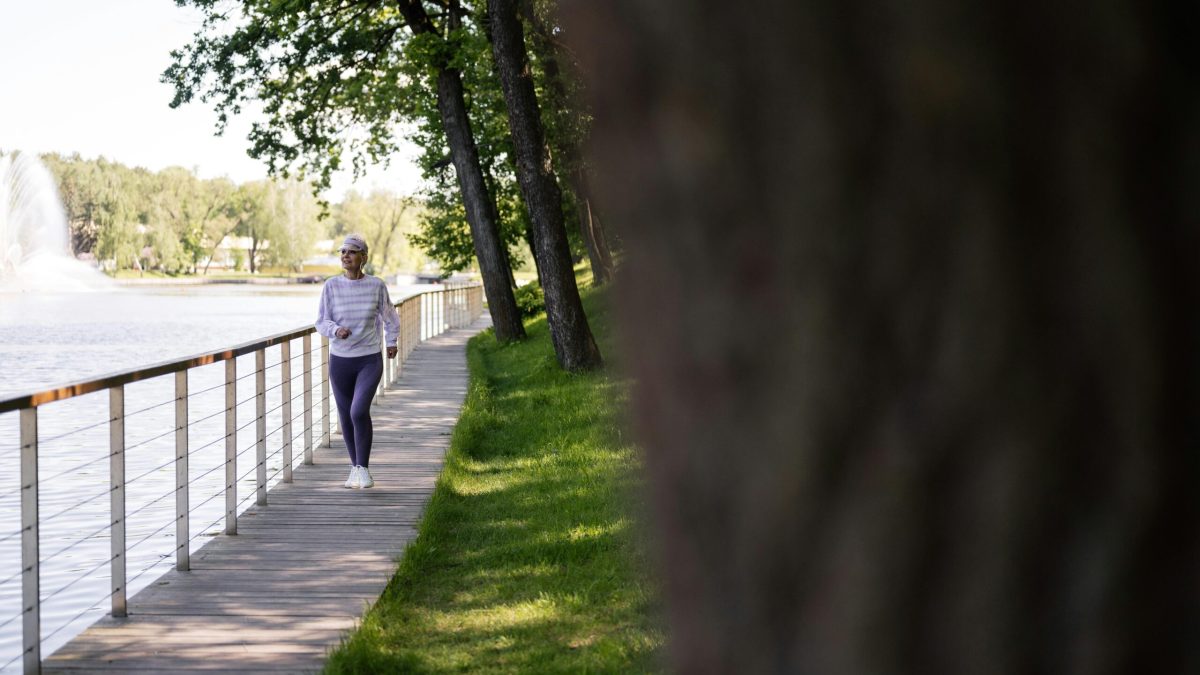
Pay attention to these early signs the sooner they are identified, the easier it is to reverse:
- Growing difficulty climbing stairs or getting up from low chairs
- Reduced grip strength difficulty opening jars, wringing cloths
- Slower walking pace than before
- Faster muscle fatigue in daily activities
- Falls or near-falls without apparent cause
- Visible muscle loss in arms and legs with maintenance or increase of abdominal fat
Frequently Asked Questions
Is sarcopenia curable?
In early and moderate stages, sarcopenia is reversible with the right interventions especially resistance training and adequate protein. In advanced stages, the goal is to slow progression and preserve function.
Can women who have never exercised start during menopause?
Yes and it is highly recommended. Studies show that sedentary women who start resistance training after menopause gain muscle mass and strength significantly, even starting at 60 or 70 years old. It is never too late. But the earlier you start, the better.
How long to see results?
With consistent resistance training and adequate protein, measurable improvements in strength and muscle mass appear in 8 to 12 weeks. Visible results generally appear between 3 and 6 months.
What to Do Starting Today
Sarcopenia in menopause is real, is accelerated by hormonal decline, and has serious consequences for long-term health. But it is largely preventable and partially reversible with the right interventions.
Start this week:
- Assess your current protein intake are you reaching 1.2g/kg/day?
- Start or intensify resistance training 2x per week already makes a difference
- Check your vitamin D levels with a blood test
- Consider creatine monohydrate 3g/day one of the safest supplements available
Remember: every meal with 30g of protein is an investment in your muscle. Every resistance training session is an insurance policy for your independence in the coming decades.
Scientific References
- Menzies C, Bowtell R, Shur N, Brook MS. Menopause, Female Sex Hormones, Skeletal Muscle Mass and Muscle Protein Turnover in Humans. Journal of Cachexia, Sarcopenia and Muscle. 2026. doi:10.1002/jcsm.70232 PMC
- The Menopause Society. New Study Identifies Potential Predictive Biomarker for Sarcopenia in Midlife Women. Press Release, March 2025. The Menopause Society
4 Responses