
The main reason is the decline in estrogen levels. Estrogen keeps the vaginal tissues thick, elastic, hydrated, and protected. When it decreases, several changes occur:
-
Loss of natural lubrication
-
Thinning of the vaginal lining (vaginal atrophy)
-
Increased sensitivity and irritation
-
Changes in pH
-
Higher risk of discomfort during intimacy
Other factors that may worsen dryness include:
-
Chronic stress
-
Reduced arousal
-
Certain medications
-
Low water intake
-
Smoking
-
Sedentary lifestyle
-
Recurrent vaginal infections
- Check out our Support Channel
👉 Our social network: https://www.youtube.com/@GraceinBloom-q9n

How to Manage Vaginal Dryness in Your Relationship
Vaginal dryness can impact intimacy, but there are effective, gentle ways to navigate this phase.
1. Open communication
Talking with your partner helps reduce pressure and increase emotional intimacy. Many women feel embarrassed, but openness creates understanding and connection.
2. Longer foreplay
With lower estrogen levels, arousal may take more time.
Extended stimulation naturally increases lubrication and comfort.
3. Water-based lubricants
These offer immediate relief and are safe for vaginal pH.
Avoid lubricants that contain:
-
Fragrance
-
Alcohol
-
Harsh heating or cooling agents
4. Regular vaginal moisturizers
Unlike lubricants, moisturizers hydrate the tissue over time and improve daily comfort.
5. Lifestyle improvements
Physical activity, hydration, and stress management increase blood flow and stimulate natural lubrication.
Phytohormones for Vaginal Dryness: Benefits, How They Work and Safety Notes
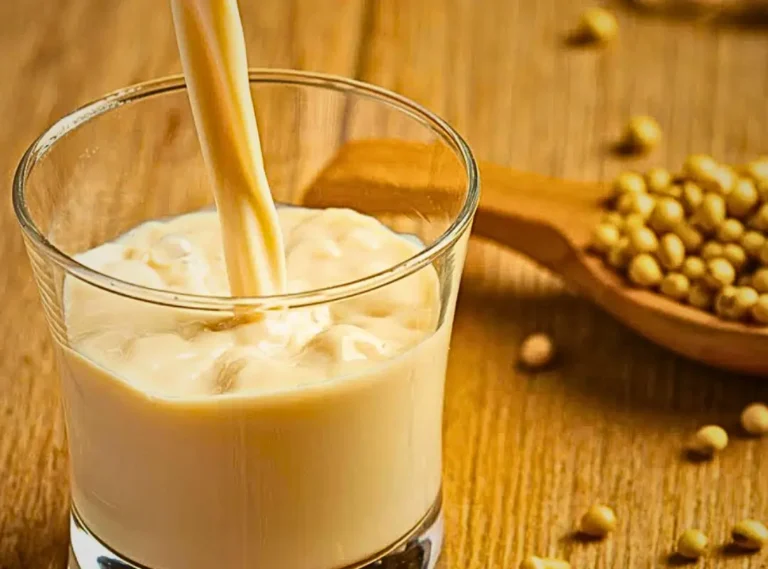
1. Soy Isoflavones
How They Work
Isoflavones mimic estrogen by binding to estrogen receptors in vaginal tissues.
They provide mild support and may improve lubrication with consistent use.
Benefits
-
Gradual reduction in dryness
-
Improved hormonal balance
-
May help with hot flashes
Caution
-
Effects vary between individuals depending on metabolism
-
May interact with anticoagulant medication
2. Red Clover
Red clover contains several isoflavones similar to those found in soy, but with a different ratio.
How It Works
-
Offers a gentle phytoestrogenic effect
-
Well-absorbed and commonly used in natural menopause supplements
Benefits
-
Possible improvement in vaginal lubrication
-
Relief from irritation
-
Mild support for hormonal fluctuations
Caution
-
Should be avoided by women using blood thinners
-
Requires extra caution for those with hormone-sensitive conditions
3. Black Cohosh (Cimicifuga Racemosa)
How It Works
Unlike other phytohormones, black cohosh does not mimic estrogen directly.
It works through neurological pathways that help regulate hormone-related symptoms.
Benefits
-
Supports hot flash reduction
-
May help improve sleep and mood
-
Can indirectly reduce vaginal discomfort
Caution
-
Not recommended for women with liver problems
-
Not specifically targeted for vaginal dryness, but useful in combination approaches
4. Flaxseed (Lignans)
How It Works
Flaxseed is rich in lignans, which become estrogen-like compounds after digestion.
Benefits
-
Gradual improvement in lubrication
-
Anti-inflammatory effects
-
Benefits digestion, metabolism and overall hormonal harmony
Caution
-
Effects are slow and depend on consistent intake
-
May cause bloating in sensitive individuals
Check out our Support Channel
Our social network: https://www.youtube.com/@GraceinBloom-q9n
Important Safety Warning
Women with personal or family history of:
-
Breast cancer
-
Ovarian cancer
-
Uterine cancer
-
Hormone-positive tumors
-
Severe endometriosis
-
Active fibroids
should consult a healthcare provider before using any phytohormone or supplement.

When to Seek Medical Help
You should contact a healthcare professional if you experience:
-
Painful intercourse
-
Bleeding after intimacy
-
Persistent itching
-
Strong odor
-
Daily discomfort that affects your routine
-
Any history of hormone-related cancers
Doctors can recommend local low-dose estrogen treatments (which are often very safe), assess pH imbalance, rule out infections, and help personalize your care.

Conclusion
Vaginal dryness in menopause is extremely common and nothing to be ashamed of.
With the right care natural remedies, lubrication, lifestyle changes, and phytohormone support many women experience significant relief.
The key is to listen to your body, make informed choices, and seek medical guidance when needed.
Check out our Support Channel:
Scientific studies
1 – Impact of phytoestrogens on treatment of urogenital menopause symptoms: 2021, publicado na European Journal of Obstetrics & Gynecology and Reproductive Biology
2 – Isoflavones improve vaginal atrophy, skin health, and sex-related hormones in postmenopausal women: 2025, publicado pela The Menopause Society / periódico Menopause
Reviewed and written by: Dr. Vilma Mendonça – Pharmacist
Use of images and topics: Yandex and ChatGtp
3 Responses