Headache in Perimenopause: Why It Happens & How to Stop It – Pharmacist
This post contains affiliate links. As an Amazon Associate I earn from qualifying purchases at no extra cost to you
Perimenopause is the transitional phase before menopause and is marked by significant hormonal fluctuations. These hormonal changes can affect multiple systems in the body including the nervous and vascular systems which may increase the frequency and intensity of headaches and migraines.
Some women experience headaches for the first time during perimenopause, while others notice that pre-existing migraines become more frequent or more severe. In this article, you’ll learn why headaches happen during perimenopause, the most common symptoms, and how to manage them effectively. 👉 Related article: https://mariahchic.com/menopause/what-is-menopause/
What Is Perimenopause?
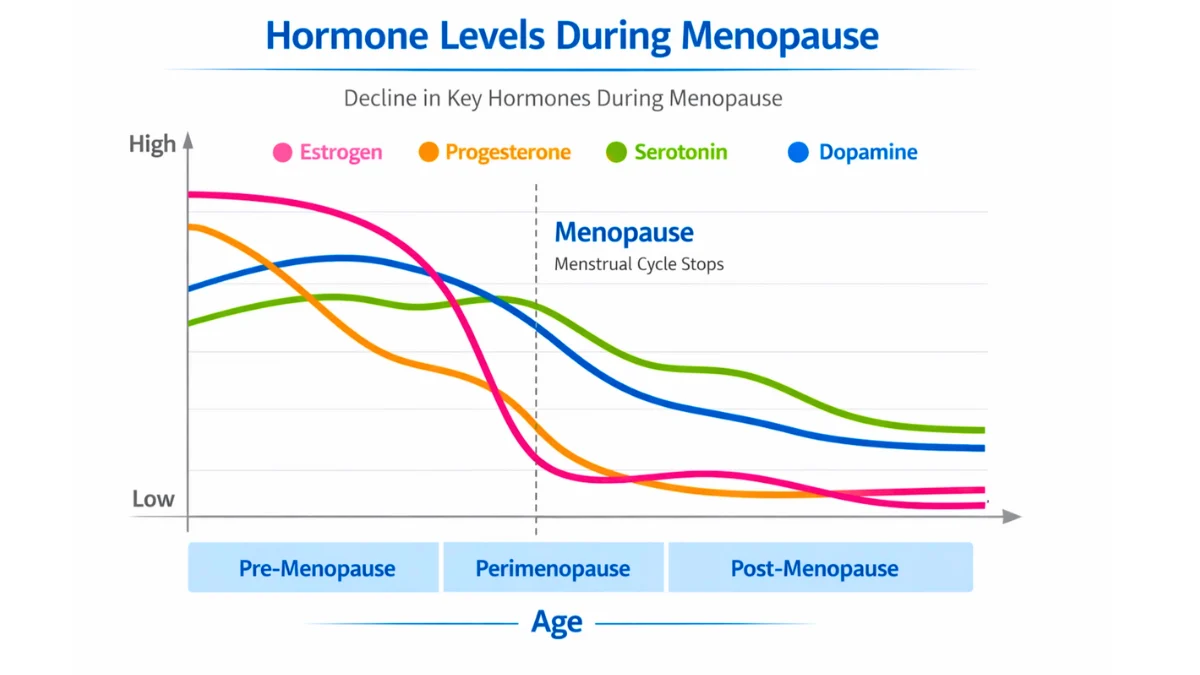
Perimenopause is the stage leading up to menopause and can begin several years before the final menstrual period. During this time, levels of estrogen and progesterone fluctuate irregularly rather than declining steadily.
These hormonal changes are responsible for many common symptoms, including hot flashes, sleep disturbances, mood changes — and headaches.
How Perimenopause Affects Headaches
Hormonal Fluctuations as a Trigger
Estrogen plays a key role in regulating neurotransmitters involved in pain perception. During perimenopause, estrogen levels may rise and fall unpredictably, making the nervous system more sensitive to pain.
Women with a history of migraines are particularly vulnerable, but even those without previous headaches may experience new-onset symptoms.
Tension Headaches vs. Migraines
Two main types of headaches are commonly reported during perimenopause:
Tension headaches: A dull, pressure-like pain around the head or neck, often linked to stress or muscle tension.
Migraines: More intense, often pulsating pain, usually on one side of the head, sometimes accompanied by nausea, light sensitivity, or sound sensitivity.
Why Headaches Become More Frequent in Perimenopause
Estrogen Decline and Instability
Sudden drops in estrogen can activate pain pathways in the brain. This explains why headaches may appear unpredictably and feel different from those experienced earlier in life.
Sleep Problems and Stress
Sleep disturbances are common during perimenopause and are a well-known trigger for headaches. Increased stress levels can also worsen both tension headaches and migraines.
Interaction With Other Symptoms
Headaches may occur alongside:
Hot flashes
Anxiety or mood swings
Fatigue
Heart palpitations
These symptoms can interact and amplify discomfort.
Accompanied by changes in vision, mental confusion, or weakness
Associated with neck stiffness or fever
These symptoms may indicate conditions unrelated to perimenopause.
Supplements such as magnesium glycinate help relax the body’s muscles and blood vessels.
How to Manage Headaches During Perimenopause
Lifestyle Strategies
Helpful approaches include:
Staying well hydrated
Maintaining regular sleep patterns
Managing stress with gentle exercise or relaxation techniques
Medications and Medical Options
Occasional use of analgesics may help with mild headaches. For frequent or severe headaches, YOUR DOCTOR may recommend specific treatments or evaluate hormone therapy options.
⚠️ Avoid frequent use of analgesics without medical guidance, as this can lead to rebound headaches.
Conclusion
Headaches during perimenopause are common and often linked to hormonal fluctuations, sleep disruption, and stress. Understanding the underlying causes can help women take proactive steps to reduce both frequency and severity.
With proper lifestyle adjustments and medical guidance, headache management during perimenopause is possible.