Anxiety in Menopause Understanding the Causes, Hormonal Mechanisms, and Impact on Women’s Health

Menopause is a natural stage in a woman’s life, marked by the end of reproductive cycles and profound hormonal changes. While this transition is often associated with physical symptoms such as hot flashes and menstrual irregularities, the emotional and psychological effects can be just as significant. Among them, anxiety during menopause is one of the most common and yet least understood concerns.
If anxiety symptoms interfere with daily life, sleep, or emotional balance, seeking medical or psychological support is essential. Early guidance can prevent symptoms from worsening during menopause.
👉 Related article: https://mariahchic.com/menopause/skin-dehydration/
Many women report experiencing anxiety for the first time during this phase, even without any previous history. This can lead to confusion, fear, and a distressing sense of losing emotional control. Understanding why menopausal anxiety occurs, how it manifests, and the biological mechanisms involved is essential for seeking appropriate support and improving quality of life.
What Is Anxiety in Menopause?
Anxiety is a natural response to stress. During menopause, however, this response may become more intense, frequent, or persistent, sometimes appearing without an identifiable external trigger.
Menopausal anxiety often presents as:
-
excessive or constant worry
-
inner tension or restlessness
-
mental hypervigilance
-
unexplained fear or apprehension
These symptoms are not a sign of emotional weakness. In many cases, they are directly related to neuroendocrine changes occurring during the menopausal transition.
Why Does Anxiety Increase During Menopause?
Hormonal changes and brain function
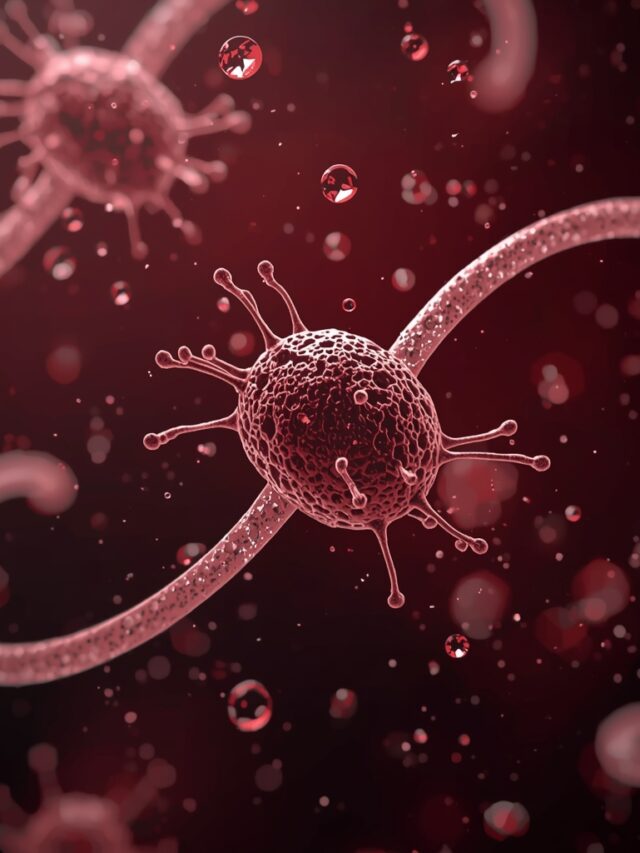
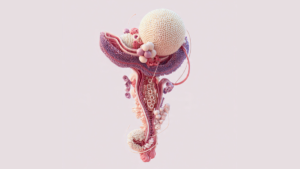
The primary driver of anxiety during menopause is the progressive decline in estrogen and progesterone levels. These hormones play a crucial role not only in reproductive health but also in brain chemistry.
Estrogen:
-
modulates serotonin, a neurotransmitter linked to mood and emotional stability
-
influences dopamine, associated with motivation and pleasure
-
helps regulate the autonomic nervous system
As estrogen levels fall, communication between neurons may become less efficient, increasing vulnerability to anxiety, irritability, and emotional instability.
The role of progesterone
Progesterone has a naturally calming effect on the brain. Its metabolites interact with GABA receptors, which help regulate relaxation and stress response. A decline in progesterone reduces this protective effect, making women more sensitive to stress.
👉 Related article: https://mariahchic.com/menopause/menopause-natural-alternatives
Anxiety in Perimenopause vs. Postmenopause

Many women begin experiencing anxiety during perimenopause, the transitional phase leading up to menopause. During this time, hormone levels fluctuate unpredictably, which can intensify emotional symptoms.
In postmenopause, hormone levels stabilize at lower levels. While some women experience symptom relief, others may continue to struggle with anxiety, especially when additional factors are present.
Factors That Can Intensify Menopausal Anxiety
Hormonal changes rarely act alone. Several additional factors may contribute to increased anxiety during menopause:
Physical changes
-
weight gain
-
chronic fatigue
-
sleep disturbances
-
reduced libido
Psychosocial changes
-
children leaving home
-
caring for aging parents
-
career transitions
-
concerns about aging and identity
Health-related factors
-
personal or family history of anxiety or depression
-
chronic medical conditions
-
use of certain medications
Together, these factors can create a heightened vulnerability to anxiety symptoms.
Common Symptoms of Anxiety in Menopause
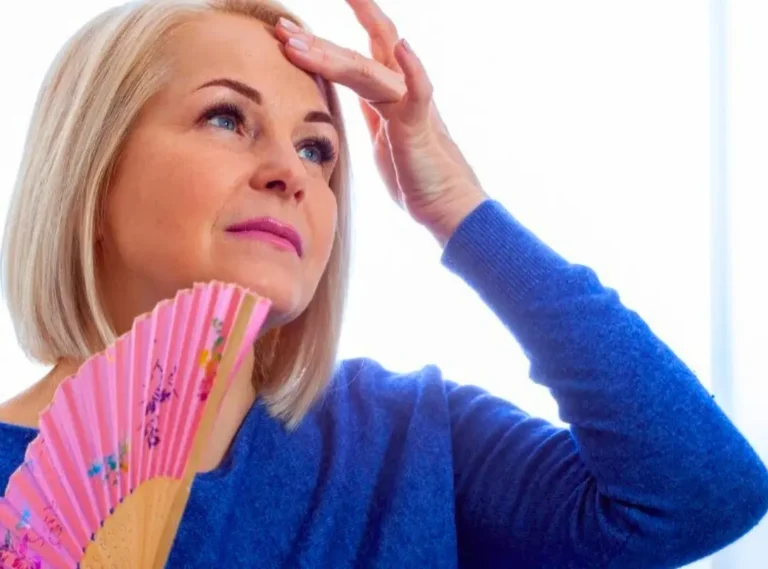
Symptoms vary among individuals but commonly include:
-
persistent worry
-
heart palpitations or racing heartbeat
-
muscle tension or unexplained aches
-
irritability and mood swings
-
difficulty concentrating
-
“racing thoughts”
-
sleep disturbances
-
panic attacks in more severe cases
These symptoms can significantly affect daily functioning, relationships, and overall wellbeing.
Is Anxiety During Menopause Normal?
From a physiological perspective, anxiety during menopause is common, but that does not mean it should be ignored.
Occasional anxiety may occur as the body adapts to hormonal changes. However, when symptoms are frequent, intense, or interfere with daily life, professional evaluation is essential.
👉 Related article: https://mariahchic.com/menopause/anxiety-menopause/
When Should You Seek Medical Help?
Medical guidance is recommended if:
-
anxiety disrupts daily activities or work
-
sleep problems become persistent
-
panic attacks occur
-
depressive symptoms develop alongside anxiety
-
emotional distress feels constant or overwhelming
Menopause should not be a time of silent suffering. Safe, evidence-based approaches are available.
Clinical Approach to Menopausal Anxiety
Managing anxiety during menopause typically involves a multifactorial approach, which may include:
-
hormonal evaluation
-
lifestyle assessment
-
psychological support
-
pharmacological or non-pharmacological strategies, when appropriate
Each woman’s experience is unique, and treatment should always be individualized.
Calming Herbal Teas and Phytotherapy Options During Menopause

In addition to lifestyle measures and clinical approaches, certain calming herbal teas and phytotherapeutic agents have traditionally been used to support emotional balance and reduce mild anxiety symptoms during menopause. While these options do not replace medical treatment, they may serve as adjunctive support for some women when used appropriately.
Chamomile (Matricaria chamomilla)
Chamomile is widely known for its mild sedative and anxiolytic properties. It contains flavonoids such as apigenin, which interact with benzodiazepine receptors in the brain, promoting relaxation and improved sleep quality.
Chamomile tea is commonly used to ease nervous tension and restlessness, especially when anxiety is associated with sleep disturbances.
Lemon Balm (Melissa officinalis)
Lemon balm has demonstrated calming and mood-stabilising effects, particularly in individuals experiencing stress-related anxiety. It may help reduce nervous excitability and improve cognitive calmness.
Traditionally used for mild anxiety and insomnia, lemon balm is often well tolerated and may be especially helpful during periods of emotional agitation linked to hormonal fluctuations.
Passionflower (Passiflora incarnata)
Passionflower is recognised for its anxiolytic and sedative properties, primarily through modulation of the GABAergic system. It has been studied for its potential to reduce nervous tension, restlessness, and mild anxiety symptoms.
In menopausal women, passionflower may help promote relaxation and improve sleep quality, particularly when anxiety presents with physical symptoms such as palpitations or muscle tension.
Valerian (Valeriana officinalis)
Valerian root is commonly used to support sleep regulation and nervous system relaxation. Its active compounds influence GABA receptors, contributing to reduced central nervous system excitability.
Valerian is often considered when anxiety is accompanied by difficulty falling or staying asleep, a frequent concern during menopause.
https://mariahchic.com/menopause/mexican-yam-and-menopause
Herbal Teas, Capsules, and Professional Guidance
These herbal remedies are available in various forms, including:
-
Herbal teas
-
Capsules or tablets
-
Liquid extracts
They can be found in specialised health stores, pharmacies, and reputable supplement retailers. However, despite being natural products, phytotherapeutic agents may interact with medications or be contraindicated in certain health conditions.
For this reason, consulting a healthcare professional before initiating any herbal supplement is essential, particularly for women using hormone therapy, antidepressants, anxiolytics, or other chronic medications.
Conclusion
Anxiety during menopause is a real and multifaceted condition, closely linked to hormonal, emotional, and life-stage changes. Knowing that this is all a transitional phase and understanding its biological basis helps reduce fear, stigma, and feelings of isolation. Observing the body and mind greatly influences comfort.
Support from a medical and pharmaceutical professional and compassionate care are essential for experiencing menopause with greater emotional balance and confidence.
Scientific Articles:
Anxiety during the menopausal transition: a systematic review
Journal: Psychoneuroendocrinology (2011)
Anxiety disorder in menopausal women and the intervention efficacy of mindfulness-based stress reduction
Journal: American Journal of Translational Research (2023)
Written and reviewed by: Dr. Vilma Mendonça – Pharmacist
Image Banks: Yandex / Pexels



2 Comments
[…] Constant anxiety, mood swings. […]
[…] Many women report headaches occurring together with hormonal symptoms such as night sweats, irritability, or sleep disruption. 👉 Related article: https://mariahchic.com/menopause/anxiety-in-menopause-2 […]