Generic selectors
Exact matches only
Search in title
Search in content
Post Type Selectors
Generic selectors
Exact matches only
Search in title
Search in content
Post Type Selectors

What do you Know about Urinary Incontinence During Menopause?

Urinary incontinence during menopause
 
Urinary incontinence during menopause is a problem affecting more than 50% of postmenopausal women, yet it’s rarely discussed openly. Many women suffer in silence, embarrassed by involuntary urine leakage during the day or night. As a pharmacist with over 20 years of experience, I see women daily seeking effective and natural solutions for this problem.
 
The truth is that urinary incontinence during menopause is more common than diabetes, hypertension, and depression. It’s not rare. It’s not something to be ashamed of. It’s a natural consequence of the hormonal changes your body is experiencing.
And the best news? There are proven natural solutions that work. In this article, I’ll share the three most effective strategies to regain bladder control during menopause.

Why Does Urinary Incontinence Occur During Menopause?
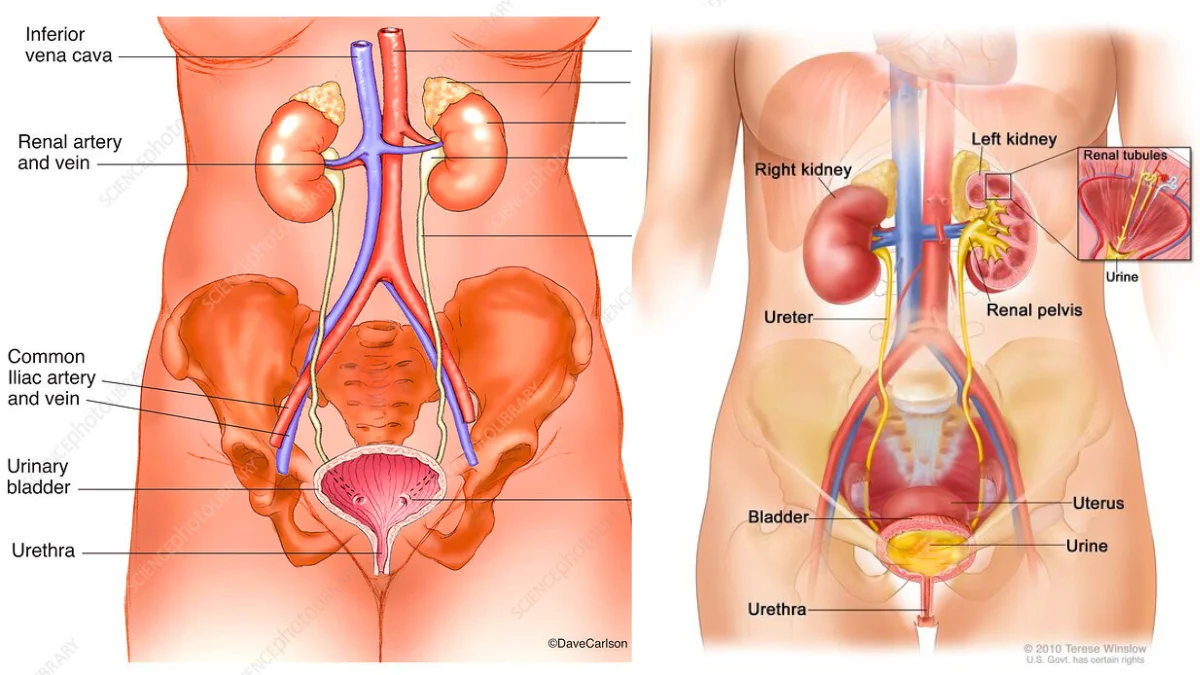
Urinary Tract

The Role of Estrogen

According to the website “Disrupt Hormones,” during menopause, estrogen levels drop drastically. This hormone is essential for maintaining the health of the tissues in the urinary tract. Estrogen keeps the urethra and bladder hydrated, elastic, and strong.

When estrogen decreases, the tissues of the urethra and the base of the bladder become thinner, drier, and less elastic. This weakens the urethral closure mechanism, allowing urine to leak involuntarily.

Weakening of Pelvic Floor Muscles

Beyond hormonal changes, menopause also affects pelvic floor muscles. These muscles are responsible for keeping urine in the bladder. When weakened, they cannot do their job properly.

Inflammation of the Urinary Tract

The decrease in estrogen also increases inflammation throughout the urinary tract. This inflammation can irritate the bladder and increase the urge to urinate, leading to leakage.

Types of Incontinence During Menopause

There are two main types of urinary incontinence that occur during menopause:
Stress Incontinence: Occurs when there’s an increase in abdominal pressure, such as when coughing, sneezing, laughing, jumping, or exercising. This is the most common type, representing 59.5% of cases.
Urge Incontinence: Occurs when you feel a sudden urge to urinate, but cannot reach the bathroom in time. The bladder contracts involuntarily.
Many women experience a combination of both types, called mixed incontinence.

Adequate Hydration - The Foundation of Everything
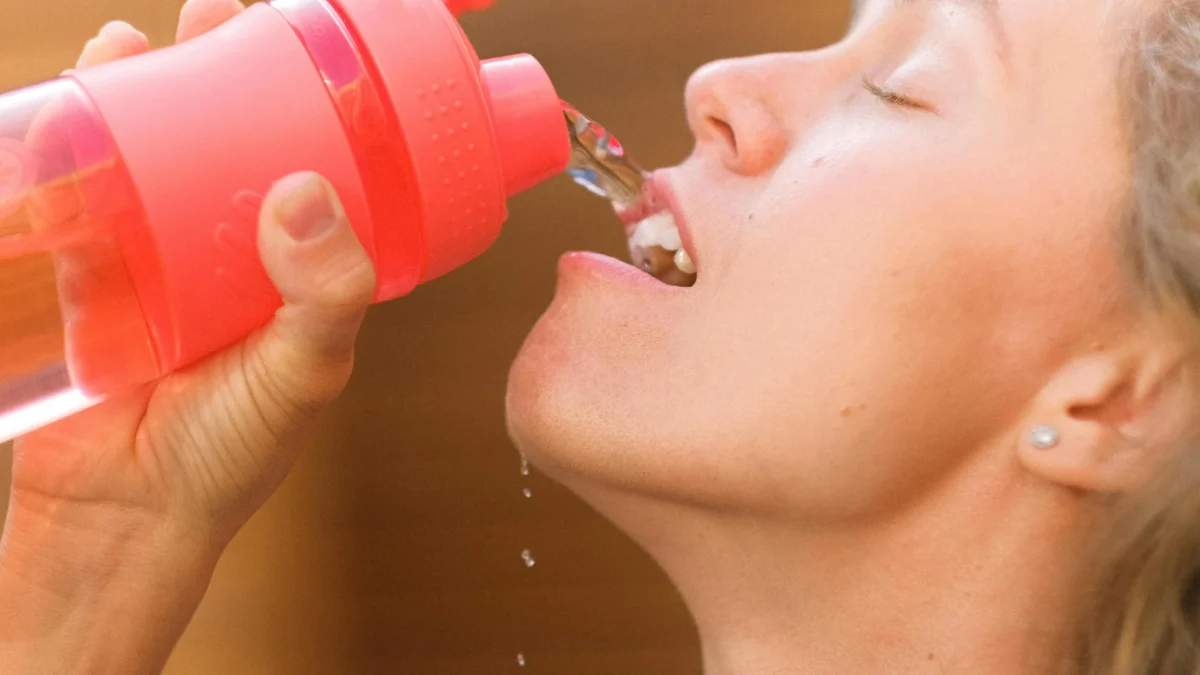
Drinking Water

Why Is Drinking Water Essential?

Many women with urinary incontinence reduce their water intake, thinking it will reduce leakage. Actually, this makes the problem worse. Let me explain why.
When you don’t drink enough water, your urine becomes more concentrated. Concentrated urine is more irritating to the bladder, causing inflammation and increasing the urge to urinate. Additionally, dehydration weakens urinary tract tissues, worsening incontinence.
On the other hand, when you drink enough water, your urine becomes diluted and less irritating. This reduces inflammation, decreases the urge to urinate, and strengthens urinary tract tissues.

The Hydrating Action of Water

Water has a profound hydrating action throughout your entire body, including the urinary tract. When you’re well hydrated, the tissues of the urethra and bladder become more elastic and stronger. This improves the urethral closure mechanism and reduces leakage.
Additionally, adequate hydration improves the overall health of pelvic floor muscles. Well-hydrated muscles function better and recover more quickly from exercise.

How Much to Drink?

The general recommendation is to drink 2 to 3 liters of water per day. For women with urinary incontinence, I recommend:
2 to 3 liters of pure water per day, distributed throughout the day. This equals approximately 8 to 10 glasses of water.
Important: Don’t drink all the water at once. Distribute it throughout the day. Drink one glass of water every hour.

When to Drink

Morning: Drink 2-3 glasses of water immediately upon waking. This rehydrates your body after the night.
During the day: Drink one glass of water every hour until 6 PM.
Evening: Reduce water intake after 6 PM to avoid frequent bathroom trips during the night.

Practical Tips

•Keep a water bottle with you at all times
•Drink a glass of water before each meal
•Drink water when you feel thirsty
•If plain water seems monotonous, add lemon, ginger, or mint (without sugar)
•Avoid excessive carbonated water (can irritate the bladder)

Signs of Good Hydration

You’ll know you’re well hydrated when:
•Your urine is clear or slightly yellow (not dark yellow)
•You don’t feel excessive thirst
•Your skin is hydrated
•You have energy throughout the day

Uva Ursi - The Ancient Natural Remedy

ashwagandha for menopause

What Is Uva Ursi?

Uva Ursi (Arctostaphylos uva-ursi) is a medicinal plant used for centuries to treat urinary tract problems. Indigenous peoples of North America and Europe used this plant for urinary inflammation and infections.
Uva Ursi contains active compounds called arbutin and hydroquinone, which have powerful anti-inflammatory and antiseptic properties.

Anti-inflammatory Properties

Inflammation is one of the main problems in the urinary tract during menopause. Uva Ursi reduces this inflammation through its active compounds.
When inflammation decreases:
•The urge to urinate reduces
•Leakage decreases
•Discomfort when urinating improves
•The bladder functions better

Antiseptic Properties

Uva Ursi has antiseptic properties, meaning it helps keep the urinary tract clean and free from harmful bacteria.
This is important because:
•It reduces the risk of urinary tract infections
•It keeps the urinary tract healthy
•It prevents complications

How to Use Uva Ursi

Uva Ursi can be used in two forms:
Uva Ursi Tea:
1.Place 1 teaspoon of dried Uva Ursi leaves in a cup of hot water
2.Let steep for 10-15 minutes
3.Strain and drink
4.Drink 1-2 cups per day
 
Uva Ursi Capsules:
1.Look for Uva Ursi capsules in pharmacies or supplement stores
2.The typical dosage is 500-1000 mg per day
3.Take with meals for better absorption
4.Follow the manufacturer’s instructions

Duration of Treatment

For best results, use Uva Ursi for:
•Minimum: 2-4 weeks to see improvement
•Ideal: 6-8 weeks for significant results
•Maintenance: You can continue using after seeing improvement

Safety and Contraindications

Uva Ursi is generally safe when used correctly. However:
Don’t use if:
•You’re pregnant or breastfeeding
•You have severe kidney disease
•You’re taking specific medications (consult your pharmacist)
Rare side effects:
•Mild digestive discomfort
•Darkening of urine (normal and harmless)
Important: If you have a confirmed urinary tract infection, consult a doctor. Uva Ursi is preventive and for inflammation, not a substitute for antibiotics when needed.

Pelvic Floor Exercises - Muscle Strengthening
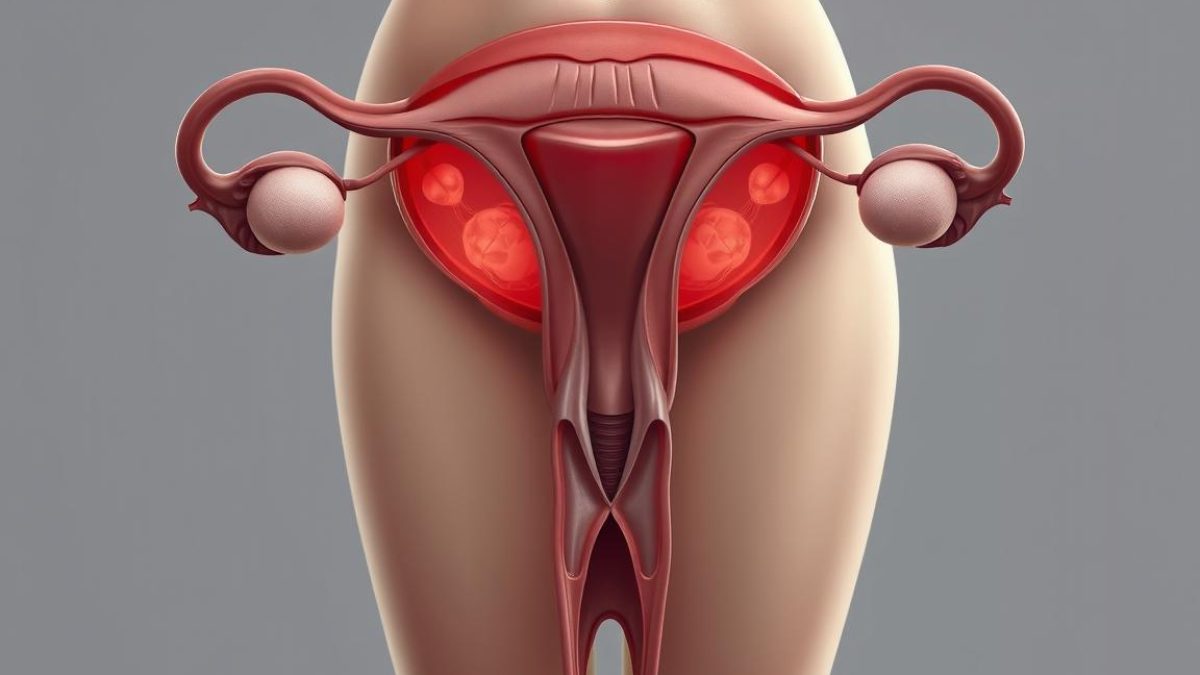
menopause affects your reproductive system

Why Are Pelvic Floor Muscles Important?

The pelvic floor muscles (also called pelvic muscles) are like a “sling” or net that supports the bladder, urethra, and uterus. When these muscles are strong, they keep urine in the bladder.
During menopause, these muscles weaken due to hormonal changes. Pelvic floor exercises strengthen these muscles, restoring bladder control.

How Pelvic Floor Exercises Work

Pelvic floor exercises (also called Kegel exercises) work the pelvic floor muscles through repeated contractions. This strengthens the muscles, improving:
•Bladder control
•The ability to retain urine
•The strength of the urethral closure mechanism
•Sexual function
•Overall urinary tract health

How to Find the Correct Pelvic Floor Muscles

Before starting exercises, you need to identify the correct pelvic floor muscles.
 
Method 1 – During Urination:
1.Start urinating normally
2.Try to stop the urine flow midstream
3.The muscles you contract to do this are your pelvic floor muscles
4.Relax and finish urinating normally
 
Method 2 – Imagination:
1.Imagine you’re in an elevator full of people
2.Imagine you need to hold in gas
3.The muscles you contract for this are your pelvic floor muscles
Important: Use the stop-urination method only to identify the muscles. Don’t do this regularly, as it can interfere with normal urination.

Basic Kegel Exercise

Step 1: Contraction
1.Sit comfortably or lie down
2.Contract your pelvic floor muscles (as if stopping urination)
3.Hold the contraction for 3-5 seconds
4.Relax completely for 3-5 seconds
 
Step 2: Repetition
1.Repeat this cycle 10 times
2.Rest for 1 minute
3.Do 2 more sets of 10 repetitions
 
Step 3: Frequency
1.Do this exercise 3 times per day
2.Every day, without exception
3.You can do it anywhere (at work, at home, in the car)

Exercise Progression

After 2-3 weeks, you can increase the difficulty:
 
Weeks 1-3:
•Contraction for 3-5 seconds
•10 repetitions, 3 sets per day
 
Weeks 4-6:
•Contraction for 5-10 seconds
•15 repetitions, 3 sets per day
 
Weeks 7-8:
•Contraction for 10-15 seconds
•20 repetitions, 3 sets per day

Advanced Exercise – Quick Contractions

After 4 weeks of basic exercises, add quick contractions:
 
1.Contract and relax your pelvic floor muscles rapidly
2.Do 10-20 quick contractions in a row
3.Rest for 1 minute
4.Repeat 3 times
5.Do this 1-2 times per day

When to Expect Results

Weeks 1-2: You may notice you can better identify the muscles
Weeks 3-4: Mild reduction in leakage
Weeks 5-8: Significant reduction in leakage (30-50%)
Weeks 9-12: Maximum improvement (50-80% reduction)
Important: Consistency is key. You need to do the exercises every day to see results.

Tips for Success

•Create a routine: Do the exercises at the same time every day (morning, afternoon, evening)
•Set reminders: Use your phone to remind you
•Don’t give up: It takes 6-8 weeks to see significant results
•Combine with other solutions: Pelvic floor exercises work best when combined with hydration and Uva Ursi
•Be discreet: No one will know you’re doing the exercises

Signs You’re Doing It Right

•You can stop urine flow midstream
•You feel the muscles contracting
•You can hold the contraction for a few seconds
•You can do multiple repetitions

Signs You Might Be Doing It Wrong

•You contract your abdomen or buttocks
•You hold your breath
•You feel pain
•You can’t feel the muscles contracting
If this happens, stop and try again more carefully. You can even consult a physical therapist specializing in pelvic health for personal guidance.

Combining All Three Solutions

hormonal changes menopause
 
The three solutions work best when combined:

Complete Protocol

Hydration:
•Drink 2-3 liters of water per day
•Distribute throughout the day
•Reduce after 6 PM
 
Uva Ursi:
•Tea: 1-2 cups per day
•OR Capsules: 500-1000 mg per day
•Duration: 6-8 weeks
 
Pelvic Floor Exercises:
•3 sets of 10-20 repetitions
•3 times per day
•Every day

Expected Results

With this complete protocol, you can expect:
 
Weeks 1-2:
•Better identification of pelvic floor muscles
•Mild reduction in urge to urinate
 
Weeks 3-4:
•20-30% reduction in leakage
•Better control during activities
 
Weeks 5-8:
•40-60% reduction in leakage
•Significant improvement in quality of life
 
Weeks 9-12:
•50-80% reduction in leakage
•Substantial recovery of control
 

Other Important Tips

Lifestyle

Avoid bladder irritants:
•Caffeine (coffee, black tea, soft drinks)
•Alcohol
•Spicy foods
•Citrus juices in excess
•Very acidic foods
Maintain healthy weight:
•Excess weight increases abdominal pressure
•This worsens stress incontinence
•Weight loss can significantly reduce leakage
Sleep well:
•Sleep 7-8 hours per night
•This helps muscle recovery
•Reduces fatigue of pelvic floor muscles
Reduce stress:
•Stress increases the urge to urinate
•Practice meditation, yoga, or deep breathing
•This improves bladder control

Safety and Precautions

When to Consult a Doctor

Seek professional help if:
•Leakage is severe and affects your quality of life
•You have pain when urinating
•You have fever or signs of infection
•You cannot urinate completely
•Leakage worsens despite treatment
A doctor or physical therapist specializing in pelvic health can offer additional options, such as biofeedback therapy or electrical stimulation.

Hydration

Water is safe for everyone. However:
•If you have kidney problems, consult your doctor about water intake
•If you take diuretics, talk to your pharmacist

Uva Ursi

Safe for most women, but:
•Don’t use if pregnant or breastfeeding
•Don’t use if you have severe kidney disease
•May interact with some medications
•Consult your pharmacist before using

Pelvic Floor Exercises

Safe with no side effects. However:
•Don’t force or exercise with pain
•If you feel pain, stop and consult a professional
•No need to do more than 3 sets per day

Conclusion

Urinary incontinence during menopause is a common but treatable problem. You don’t have to suffer in silence or accept it as an inevitable part of menopause.

But this article is for informational purposes only.

It does not eliminate the need to consult a doctor, pharmacist, and physiotherapist.

The three natural solutions I shared adequate hydration, uva ursi, and pelvic floor exercises are proven by scientific research and have been used for centuries.

Many women have regained full bladder control using these natural strategies. You can too.

Remember: you are not alone. More than 50% of postmenopausal women face this problem. It’s time to talk openly about it and seek solutions.

Your quality of life deserves to be restored. Start today.

Scientific References

1.KoÅ‚odyÅ„ska G, et al. (2019). “Urinary incontinence in postmenopausal women.” PMC – NIH, 2019. Cited by 119. This study showed that urinary incontinence affects more than 50% of postmenopausal women and is more common than diabetes, hypertension, and depression.
2.Waetjen LE, et al. (2009). “Association between Menopausal Transition Stages and Developing Urinary Incontinence.” Kaiser Permanente Division of Research, 2009. Cited by 137. This longitudinal study found that menopausal transition stage was associated with developing monthly or more frequent incontinence, suggesting a direct link between menopause and urinary incontinence.

Written and reviewed by: Dr. Vilma Mendonça – Pharmacist
Image bank – Pexels, Yandex, IA

Vilma Mendonca

Writer & Blogger

Leave a Reply

Your email address will not be published. Required fields are marked *

Related Posts

Blooming in Maturity Menopause with Natural Therapies and Self-Care.

Contact

Copyright @2025 Mariah Chic - All rights reserved