Generic selectors
Exact matches only
Search in title
Search in content
Post Type Selectors
Generic selectors
Exact matches only
Search in title
Search in content
Post Type Selectors

You Protection Against Menopause Belly

skin during menopause

Unveiling the Connection Between Inflammation and Menopause Belly

Menopause is a phase of significant transformations in the female body, and one of the most frustrating for many women is the appearance of stubborn fat in the abdominal region, affectionately dubbed “menopause belly.” But what truly lies behind this phenomenon? The answer often resides in a silent and insidious process: chronic low-grade inflammation.
With the drop in estrogen levels, a woman’s body undergoes a series of adaptations. One of these is the change in how fat is stored. If previously it tended to accumulate more in the hips and thighs, it now migrates to the visceral region, around the abdominal organs. This visceral fat is not just an aesthetic concern; it is metabolically active and releases inflammatory substances that trigger a vicious cycle.
These inflammatory substances increase insulin resistance, a crucial hormone that helps the body use glucose for energy. When cells become resistant to insulin, the pancreas produces even more, leading to an excess of glucose in the blood which, you guessed it, is stored as more fat, especially in the belly. It’s a seemingly endless cycle, but the good news is that you have the power to break it through your diet. To understand the science behind this body change in more depth, be sure to read our full article: .

The Power of Anti-Inflammatory Eating During Menopause

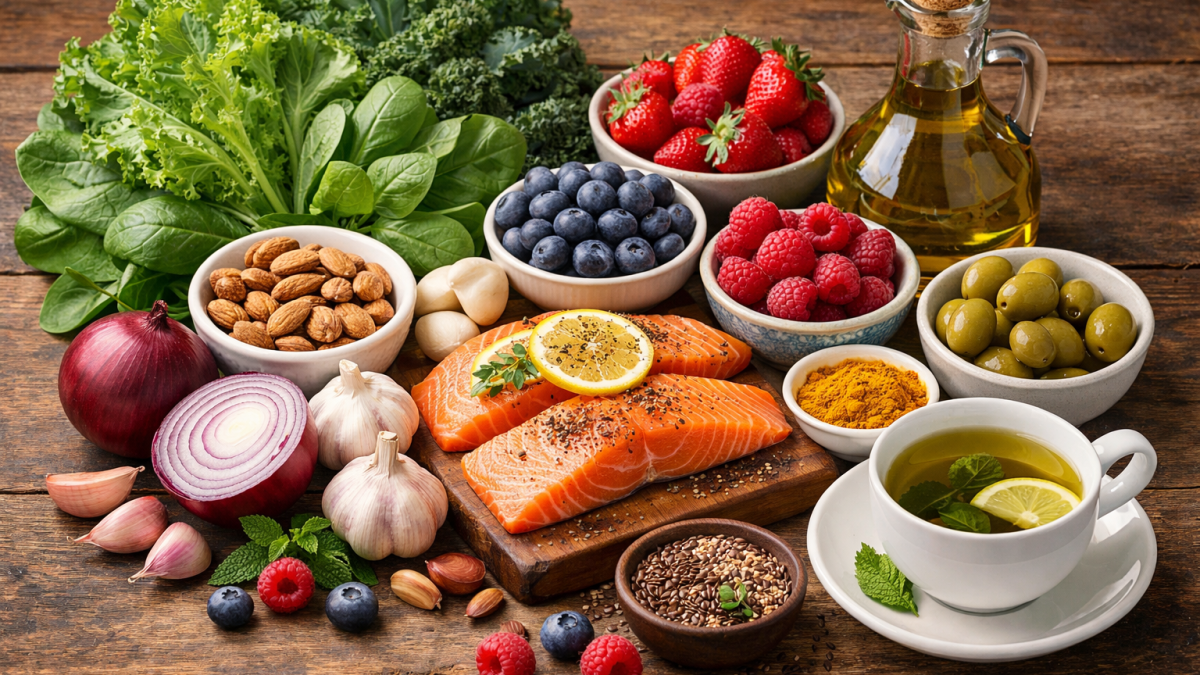
A diet rich in anti-inflammatory foods is your main ally in combating menopause belly. It not only helps reduce inflammation and insulin resistance but also promotes a healthier metabolism, improves gut health, and contributes to overall well-being. Let’s explore the superheroes in your kitchen:
omega 3

Omega-3: The Inflammatory Peacemaker and Metabolic Ally
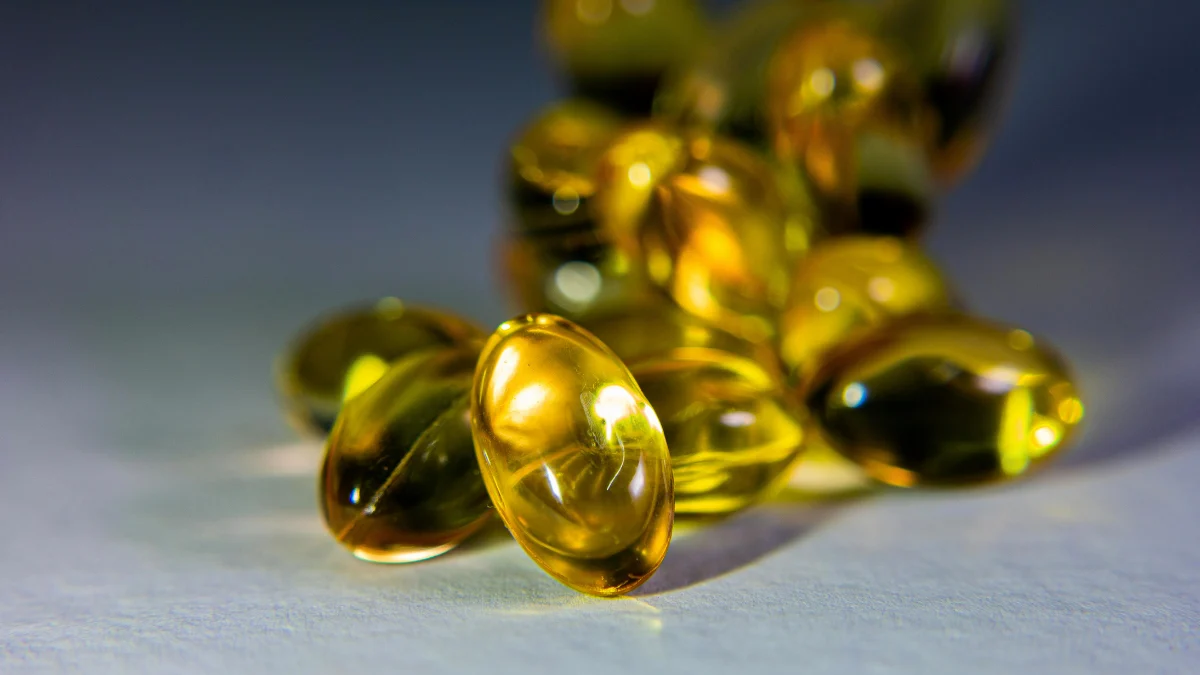
Omega-3 fatty acids are true peacemakers in the body. Found abundantly in fatty fish like salmon, sardines, mackerel, and tuna, and also in plant-based sources such as flax seeds, chia seeds, and walnuts, they are essential for modulating the body’s inflammatory response. Studies show that omega-3 can reduce inflammatory markers and improve insulin sensitivity in postmenopausal women. This means your cells respond better to insulin, preventing blood sugar spikes and subsequent fat storage. Furthermore, they aid in fat oxidation, meaning they help your body use fat for energy instead of storing it. Including a serving of fatty fish two to three times a week or adding ground flax seeds and chia to smoothies and yogurts are excellent strategies.
extra virgin olive oil

Extra Virgin Olive Oil: The Liquid Gold of Health and Heart

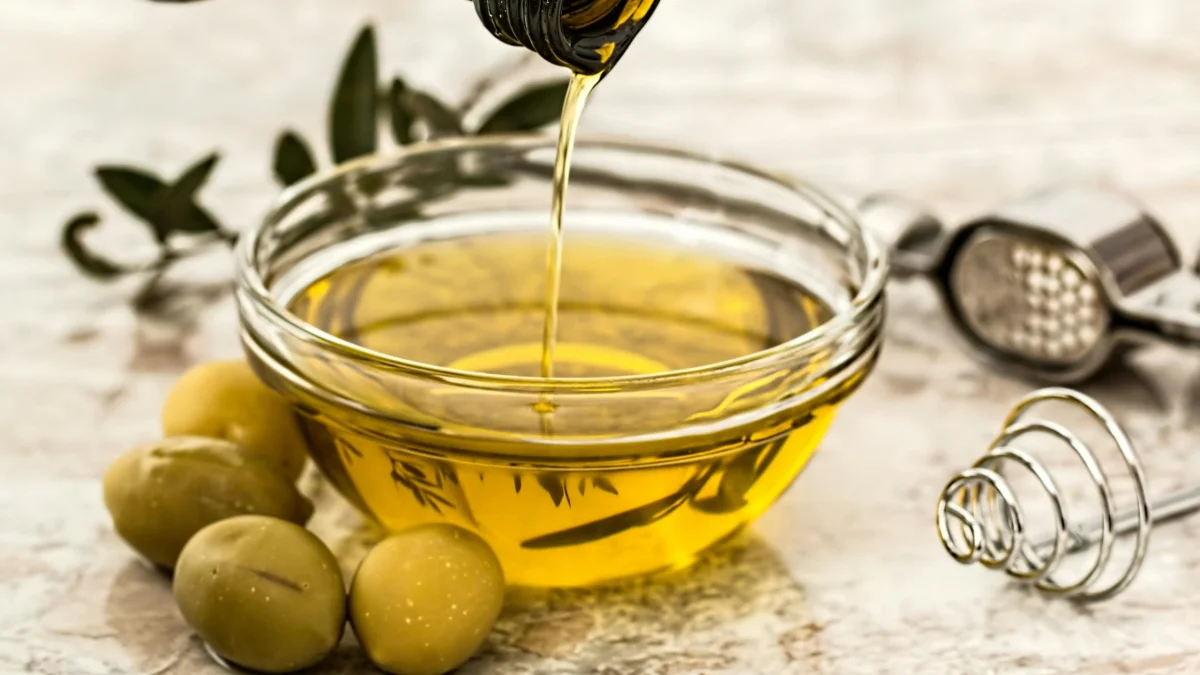
Extra virgin olive oil, a cornerstone of the Mediterranean diet, is a treasure trove of benefits. Rich in monounsaturated fats and polyphenols, it possesses powerful anti-inflammatory and antioxidant properties. Research indicates that regular consumption of olive oil can help combat metabolic syndrome, a cluster of conditions that increase the risk of heart disease and type 2 diabetes, often associated with menopause. Olive oil not only protects the heart but also contributes to satiety, aiding in weight management. Use it generously in salads, steamed vegetables, soups, and to finish dishes. Remember to always opt for good quality extra virgin olive oil to ensure all its benefits.

.

Turmeric

The Golden Spice with Anti-Inflammatory Power
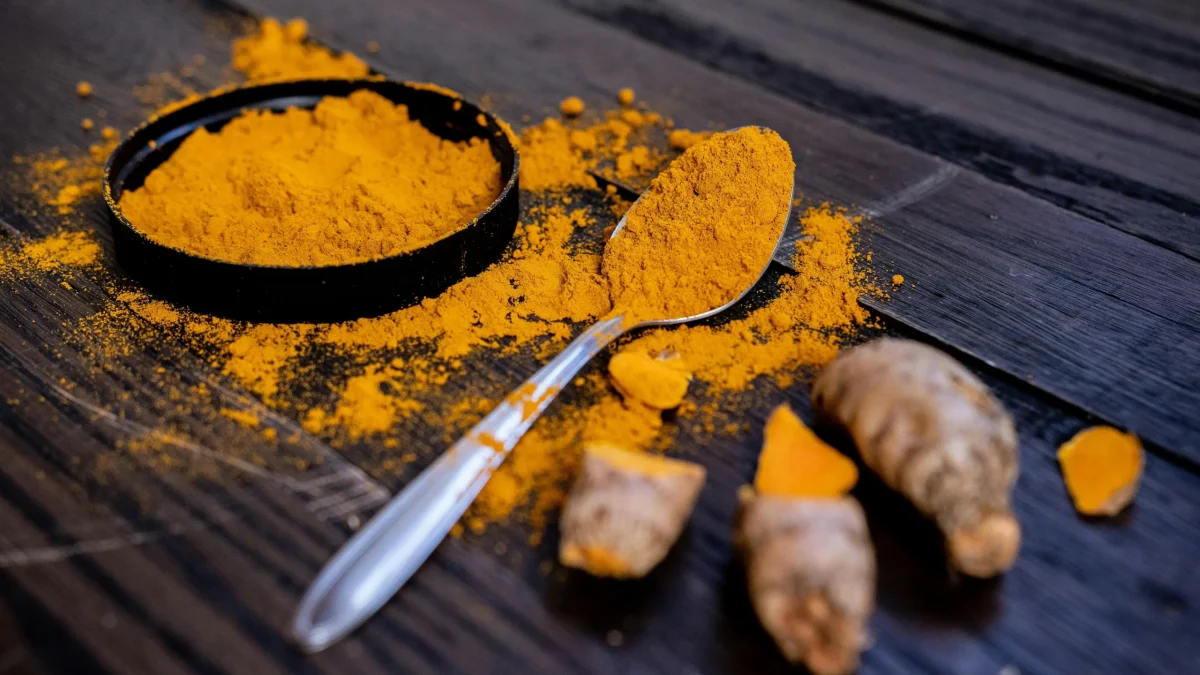
Turmeric, with its vibrant golden hue, is more than just a spice. Its main active compound, curcumin, is one of the most studied natural anti-inflammatories. Curcumin has the ability to modulate various inflammatory pathways in the body, which can be particularly useful in reducing abdominal fat and improving metabolic health during menopause. It acts at a cellular level, inhibiting molecules that promote inflammation. To enhance its absorption, which is naturally low, always combine turmeric with black pepper (containing piperine) and a source of fat. Add it to stir-fries, soups, scrambled eggs, or prepare a delicious “golden milk.”
phytohormones

Building Muscle and Boosting Metabolism
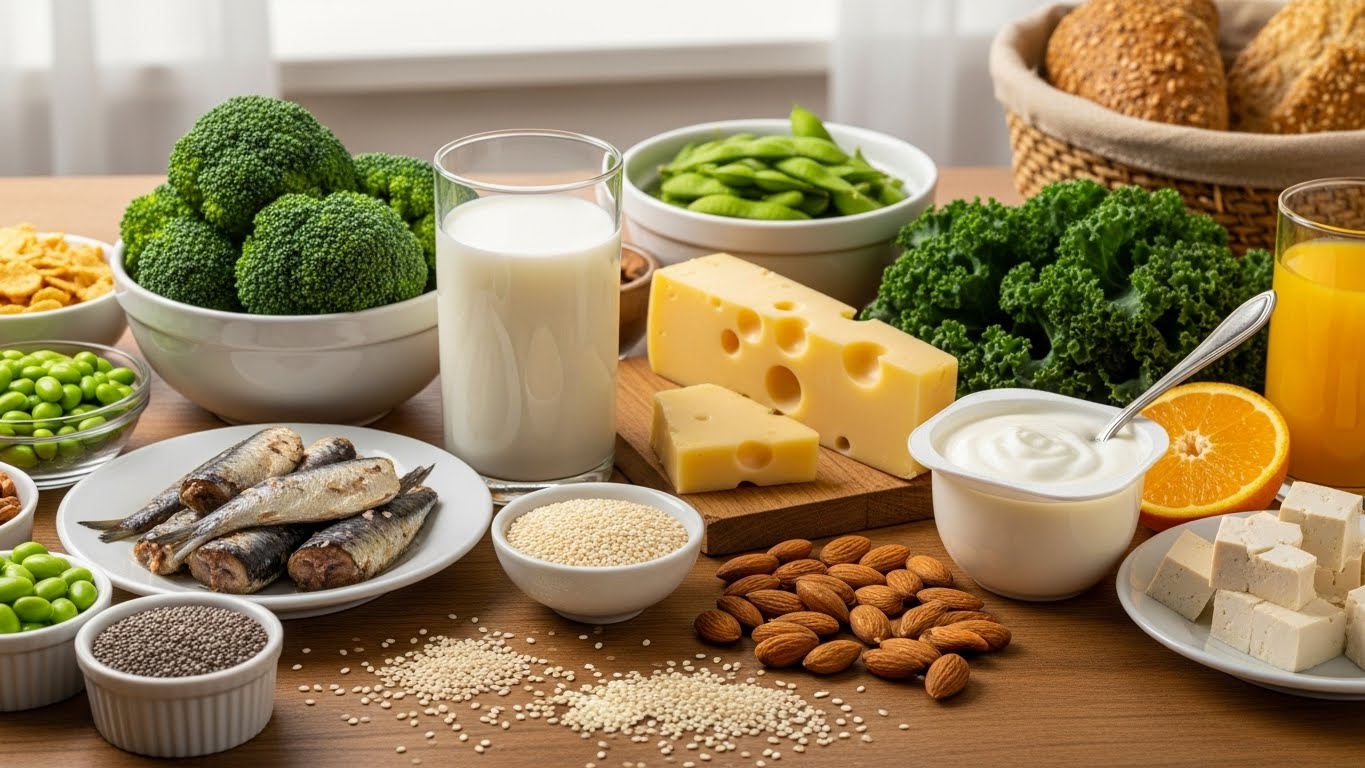
Maintaining an adequate intake of lean proteins is fundamental during menopause. Proteins found in chicken, fish, eggs, legumes (lentils, chickpeas, beans), tofu, and low-fat dairy help preserve muscle mass, which tends to decrease with age and hormonal decline. Muscles are metabolically more active than fat, meaning more muscle mass helps burn more calories at rest. Additionally, protein has a high thermic effect, meaning the body expends more energy to digest it, and promotes greater satiety, aiding in appetite control and preventing unnecessary snacking. Distribute protein intake throughout the day, across all meals.
frutis

Soluble Fibers: The Secret to a Happy Gut, Satiety, and a Smaller Belly
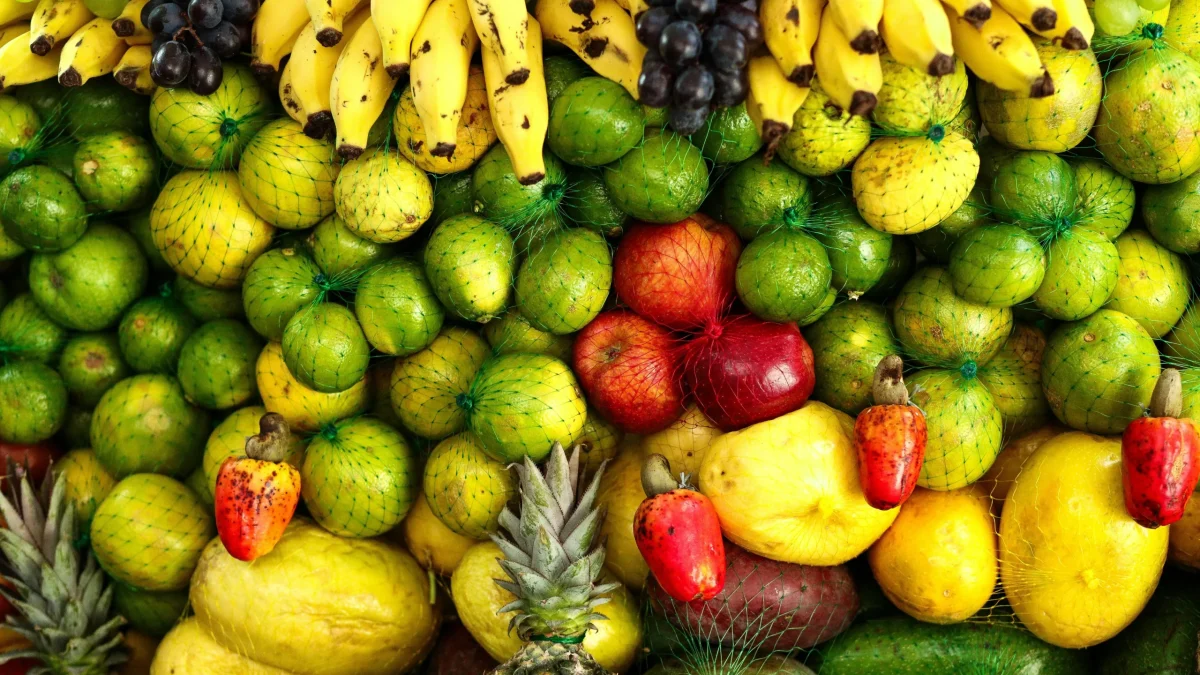
Soluble fibers, present in foods like oats, apples, pears, citrus fruits, carrots, legumes, and leafy greens, are true allies. They form a gel in the digestive tract, which slows down sugar absorption, helping to stabilize blood glucose levels and reduce insulin resistance. This is crucial to avoid sugar spikes that lead to fat storage. Furthermore, soluble fibers are the preferred food of beneficial bacteria in your gut, promoting a healthy microbiota. A balanced gut is crucial for reducing inflammation, abdominal bloating, and even influencing mood. Start your day with oats, add fruits and vegetables to all meals, and opt for whole grains.
healthy foods

Red Berries: Small, Powerful, and Full of Antioxidants

Strawberries, blueberries, raspberries, blackberries, and cherries are small bombs of antioxidants, especially anthocyanins. These compounds combat oxidative stress and inflammation, protecting body cells and contributing to a healthier internal environment. Oxidative stress is a factor that contributes to cellular aging and fat accumulation. Additionally, red berries are rich in fiber and have a low glycemic index, making them an excellent option for snacks, added to yogurts, cereals, or fruit salads. They satisfy sweet cravings healthily.

Dark Leafy Greens: The Foundation of Your Health

Spinach, kale, broccoli, arugula, and other dark leafy greens are packed with vitamins, minerals, and antioxidants. They are low in calories, rich in fiber, and contain compounds that help detoxify the body and reduce inflammation. Chlorophyll, for example, has detoxifying properties. Include a large portion of leafy greens in at least two meals a day to ensure an adequate intake of nutrients and fiber.

The Mediterranean Diet: More Than a Diet, a Healthy Lifestyle

The Mediterranean diet is consistently hailed as one of the healthiest eating patterns globally, and its benefits are even more evident for women in menopause. It emphasizes abundant consumption of vegetables, fruits, whole grains, legumes, nuts, and seeds, with extra virgin olive oil as the primary fat source. Fish is consumed regularly, while red and processed meats are limited. This naturally anti-inflammatory and nutrient-rich eating pattern helps improve cardiovascular health, control weight, reduce abdominal fat, and even enhance cognitive function. Adopting the Mediterranean diet is not about restriction but about an abundance of fresh, nutritious foods.

Reduction of Refined Carbohydrates: The Crucial Impact on Insulin

Refined carbohydrates, such as white bread, pasta, sweets, cookies, and sodas, cause rapid blood glucose spikes, leading to excessive insulin release. As we’ve seen, insulin resistance is a key factor in visceral fat accumulation during menopause. Opting for complex carbohydrates (whole grains like quinoa, brown rice, sweet potatoes, vegetables, legumes) that release glucose slowly helps maintain stable insulin levels, favoring fat burning and reducing abdominal bloating. Small swaps, like exchanging white bread for whole wheat or white rice for brown rice, make a big difference.
tea

Anti-Inflammatory Teas: Nature’s Soothing Brews

Beyond solid foods, certain teas offer powerful anti-inflammatory benefits that can complement your diet in combating menopause belly. Incorporating these into your daily routine can provide additional support:
Ginger Tea: Known for its potent anti-inflammatory compound, gingerol, ginger tea can help reduce bloating and soothe digestive discomfort. It also aids in digestion and can boost metabolism.
Hibiscus Tea: Rich in antioxidants, hibiscus tea can help lower blood pressure and reduce inflammation. Its diuretic properties may also assist in reducing water retention, contributing to a flatter belly.
Horsetail Tea: This tea is a natural diuretic, which can help reduce fluid retention and bloating. It’s also rich in silica, beneficial for bone health, which is important during menopause.
Dandelion Tea: Dandelion acts as a natural diuretic and liver detoxifier. By supporting liver function, it can help the body process hormones more efficiently and reduce inflammation and bloating.
Green Tea: Packed with catechins, especially EGCG, green tea is a powerful antioxidant and anti-inflammatory. It can boost metabolism and aid in fat burning, particularly around the abdominal area. Its mild diuretic effect also helps with bloating.

Dietary Strategies for a Balanced Body in Menopause

Beyond focusing on specific foods, adopting a healthy eating pattern is key to success in combating menopause belly. Two approaches stand out for their effectiveness and sustainability:

What to Avoid to Reduce Menopausal Belly

Just as there are foods that help, there are those that sabotage your efforts. To optimize your results, try reducing or eliminating:

• Added sugars: Found in sweets, sodas, processed juices, and many processed foods. They are major promoters of inflammation and fat accumulation.

• Trans and hydrogenated fats: Found in ultra-processed foods, fried foods, and margarines. They are highly inflammatory and harmful to cardiovascular health.

• Excessive alcohol consumption: Alcohol can disrupt hormones, increase abdominal fat storage, and impair sleep quality, factors that contribute to menopausal belly fat.

• Ultra-processed foods: Generally high in sugars, unhealthy fats, sodium, and chemical additives that promote inflammation and weight gain.

Beyond Diet: A Holistic View for Menopause Well-being

While diet is a fundamental pillar, it’s important to remember that combating menopause belly is a multifaceted effort. Stress management, regular physical exercise (especially strength training), and quality sleep are equally important. Chronic stress elevates cortisol, which, as you can delve into in our article on , is a major contributor to abdominal fat. Prioritizing self-care in all these areas will create a more conducive internal environment for fat loss and overall well-being.

Conclusion:

This article is for explanatory purposes only. Always consult your doctor for further instructions. Your journey to a lighter belly and a fuller life

Menopausal belly doesn’t have to be a life sentence. By adopting a dietary approach focused on anti-inflammatory foods, rich in omega-3s, olive oil, turmeric, lean proteins, fiber, and berries, you will be taking important steps to reverse inflammation, improve metabolism, and reduce abdominal fat. Remember that every little change counts and consistency is key. With information and the right choices, you can not only reduce your menopausal belly, but also enjoy vibrant and fulfilling health in this new phase of life. Start transforming your diet today and feel the difference!

Scientific References:

1.Tardivo, A. P., et al. (2015). Effects of omega-3 on metabolic markers in postmenopausal women with metabolic syndrome. Journal of Clinical Lipidology, 9(6), 855-862.
2.Hidalgo-Mora, J. J., et al. (2020). Diet to Reduce the Metabolic Syndrome Associated with Menopause: The Role of Olive Oil. Nutrients, 12(10), 3058.


Written and edited by: Dr. Vilma Mendonça – Pharmacist AI Images

Vilma Mendonca

Writer & Blogger

Leave a Reply

Your email address will not be published. Required fields are marked *

Related Posts

Blooming in Maturity Menopause with Natural Therapies and Self-Care.

Contact

Copyright @2025 Mariah Chic - All rights reserved