
As a pharmacist, let me explain
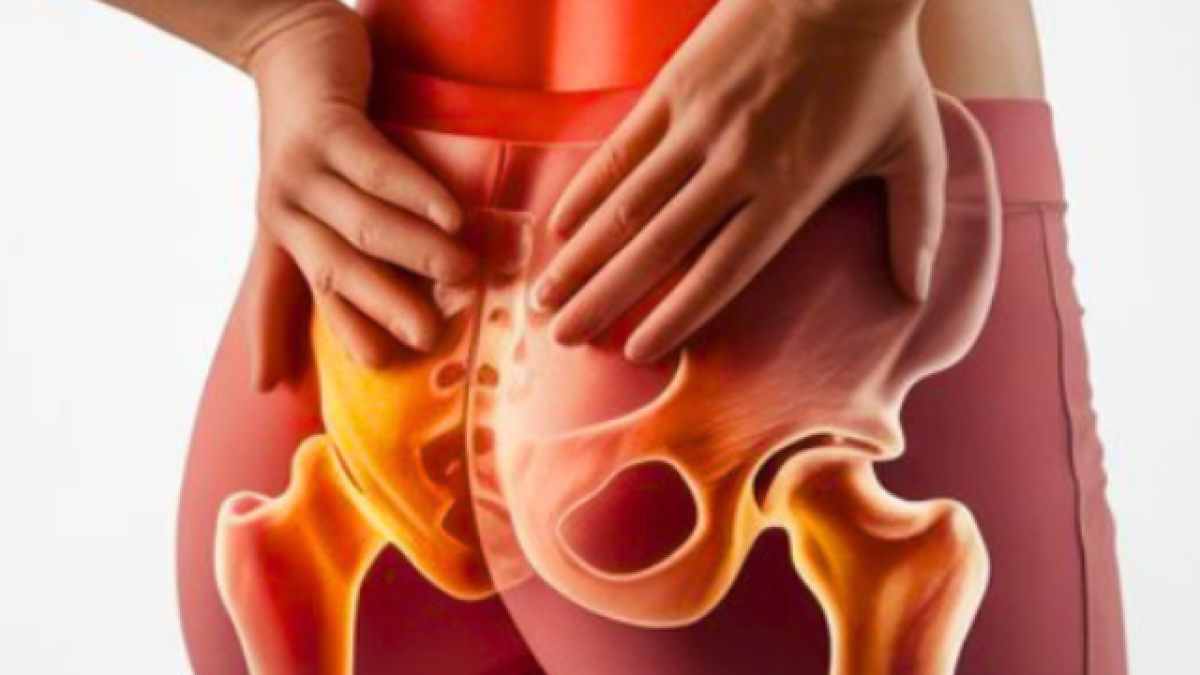
Tossing and turning in bed, unable to find a comfortable position due to deep, persistent hip pain, is a frustrating reality for many women over 45. When joint discomfort repeatedly disrupts your sleep, it affects your energy, mood, and overall quality of life the next day.
Although nighttime hip pain is often dismissed as just another sign of aging, the clinical cause of this issue is closely linked to the physiological and hormonal changes associated with the transition to menopause. Understanding these changes is essential to restoring your sleep quality and preserving your mobility.
Why Does Hip Pain Worsen at Night During Menopause?
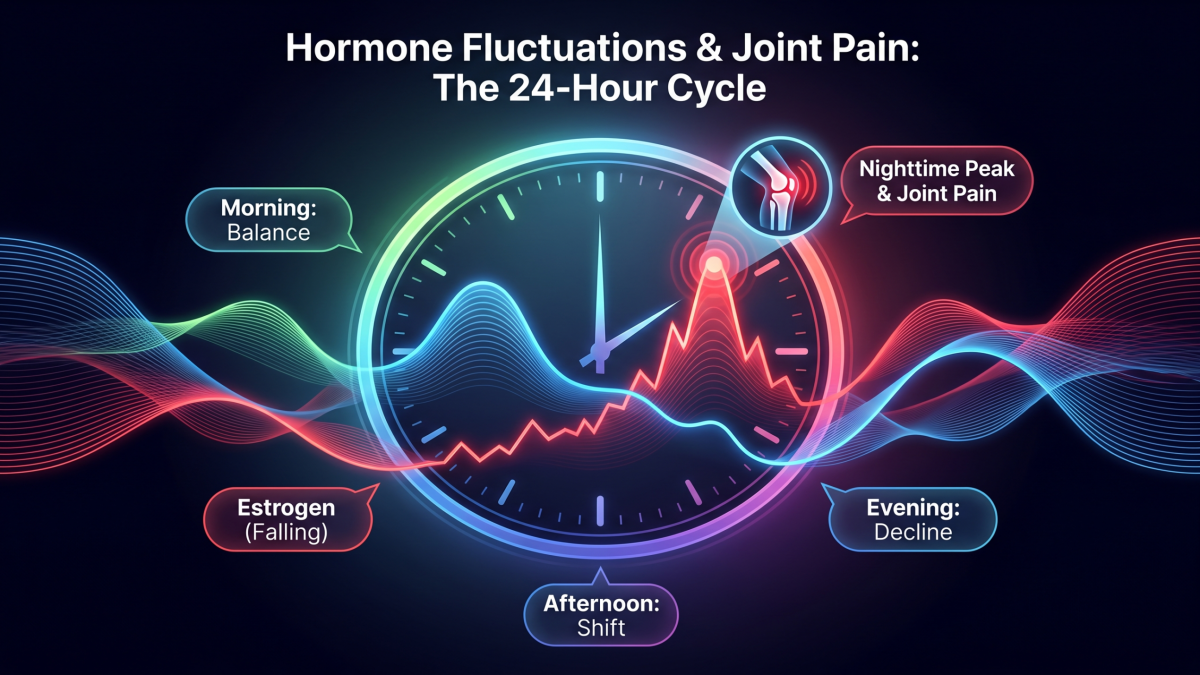
The Hormonal Connection: Estradiol, Cortisol, and Nocturnal Inflammation
Pharmacist's Clinical Guide for Nighttime Hip Relief

To alleviate nighttime hip friction and support your body’s natural joint recovery, we must address both the physical alignment of your pelvis and the biochemical inflammation in your tissues:
- Optimize Your Sleep Ergonomics: The single most effective immediate relief is correcting your pelvic alignment. Placing a high-quality Contoured Body Pillow between your knees when sleeping on your side prevents your upper leg from pulling your pelvis out of alignment, instantly reducing the torque and pressure on your hip joints.
- Integrate Anti-Inflammatory Nutrition: Focus on a diet rich in omega-3 fatty acids, turmeric, and magnesium to naturally suppress inflammatory pathways without relying solely on over-the-counter painkillers.
- Targeted Supplementation: Micronutrients like Vitamin D3, Calcium, and Magnesium bisglycinate support bone density and muscle relaxation, helping lower the structural tension around the pelvis.
- Implement a Gentle Bedtime Mobility Routine: Spend 5 to 10 minutes performing low-impact, passive hip-opening stretches (like the figure-four stretch) before getting into bed. This helps distribute remaining synovial fluid through the joint capsule, easing initial stiffness.

Frequently Asked Questions (FAQ)
Why does sleeping on my side hurt my hips during menopause?
What is the best way to align my hips for sleeping?
- Reis, A. M., et al. (2017). Vitamin D deficiency and postmenopausal joint health: A cross-sectional analysis. Revista Brasileira de Reumatologia.
- Davis, S. R., et al. (2012). Musculoskeletal changes and joint pain during the menopause transition. Climacteric Journal.
About the Author
Vilma Mendonça is a registered pharmacist (CRF-9930/RJ) with over 20 years of experience, specializing in homeopathy, Traditional Chinese Medicine, and phytotherapy. Her work focuses on translating complex concepts from endocrinology and pharmacology into practical, natural wellness solutions, helping women experience their mature years with confidence and good health.
Disclaimer: The content provided on Mariah Chic is strictly educational and informational in nature. It is not intended to replace professional medical advice, diagnosis, or treatment for any health condition.
4 Responses