A Pharmacist Explains the Real Timeline
Reviewed by Pharmacist Vilma Mendonça, CRF 9930RJ — Specialist in Phytotherapy and Homeopathy
This article contains Amazon links
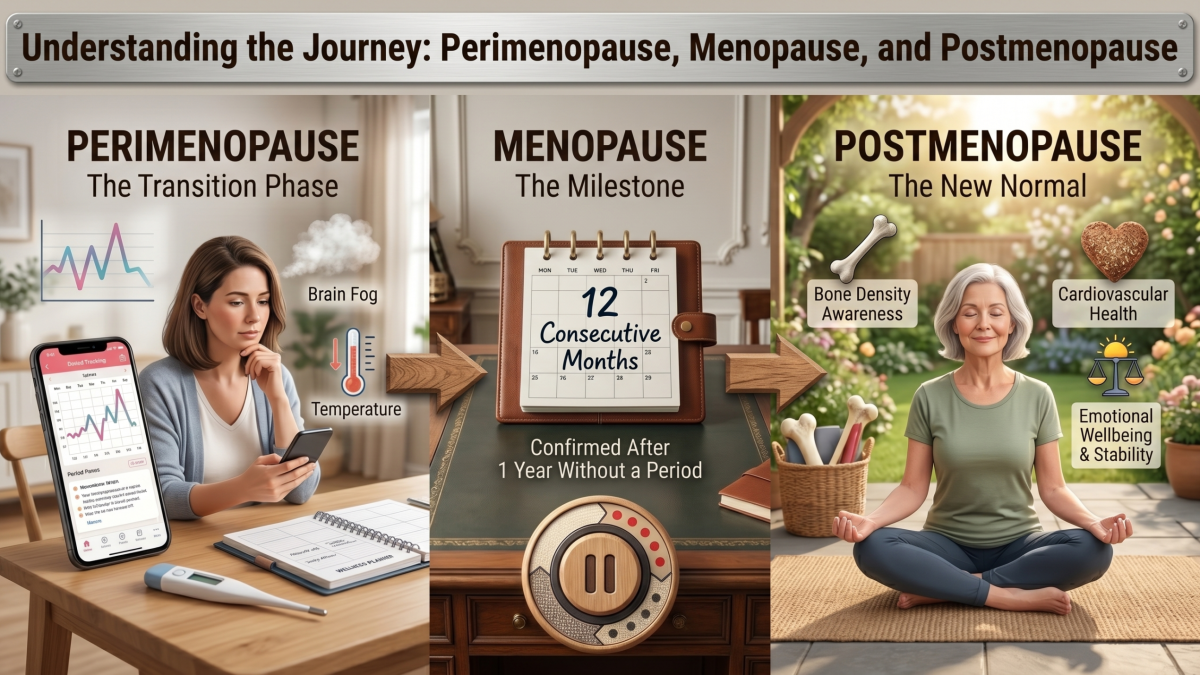
How long is this going to last?
This is one of the first questions women ask when they realize what’s happening to their bodies. And it’s one of the ones that receives the fewest honest answers.
For decades, women were told that menopause symptoms lasted “three to five years.” This number was repeated in pamphlets, doctors’ offices, and on the internet. Until research caught up with reality and revealed a very different picture.
The truth is more complex. More variable and, for many women, considerably longer. But understanding the real chronology and what determines your personal experience is one of the most empowering things you can know.
This article explains exactly how long each phase lasts. Why do some women experience symptoms for more than a decade? What factors influence the duration? And what can you do to reduce the duration? And how intense is it?
The Three Phases and the Duration of Each
Before we talk about the duration, it’s important to understand that “menopause” is not a single event. It’s a transition with three distinct phases, each with its own period.
Perimenopause: The Longest Phase
Perimenopause is the hormonal transition that precedes menopause. It begins when the ovaries start to gradually reduce the production of estrogen and progesterone. It ends with the last menstruation.
The entire menopausal transition from the first symptom of perimenopause to postmenopause. It can take more than a decade, with many women beginning to feel changes related to hormonal fluctuations. In their late 30s or early 40s.
On average, perimenopause lasts 4 to 8 years. But it can be as short as 2 years or as long as 12. The most intense symptoms usually occur in the last 1 to 2 years before the last menstruation, when hormonal fluctuations are most extreme.
Menopause: A Unique Moment
Not a Phase.
Menopause itself is defined as the point of 12 consecutive months after the last menstrual period. It is a milestone, not a phase. The average age is 51 years, although it can occur naturally between 45 and 55 years.
Post-Menopause: When Do Symptoms Improve?
Post-menopause begins after 12 months without menstruation and lasts for the rest of life. Many symptoms, such as vasomotor symptoms like hot flashes and night sweats, gradually decrease in intensity during post-menopause for most women.
However, some symptoms do not follow this pattern. Vaginal dryness, urinary changes, and joint pain tend to persist or worsen without intervention because they are caused by the continuous state of low estrogen levels, and not by hormonal fluctuations themselves.
How Long Do Specific Symptoms Last?
Not all symptoms follow the same chronology.
See what the research actually shows
Hot flashes and night sweats
This is where the “three to five years” myth has proven most harmful.
Vasomotor symptoms, including hot flashes and night sweats, generally persist for more than 7 years. And they can continue for more than 10 years after the last menstruation in some women. Without treatment, these symptoms usually disappear after approximately 7.4 years. Although 10% to 20% of women experience intolerable hot flashes.
Up to 80% of women experience vasomotor symptoms. Many patient information sources state that hot flashes and night sweats last 3 to 5 years. But epidemiological studies indicate a duration of up to 13 years.
The crucial finding is that women who begin experiencing hot flashes before their last menstruation tend to have them for a significantly longer period than women who develop them only after menopause.
Sleep Disorders
Sleep disorders are one of the most common symptoms of menopause, with 2,260 searches on the topic in the last year alone. Most women experience sleep problems due to fluctuating hormone levels. Difficulty falling asleep and maintaining sleep, coupled with night sweats, can make it difficult for women to get a restful night’s sleep.
Sleep disorders tend to follow the pattern of hot flashes, gradually improving as vasomotor symptoms decrease, although they can persist for years.
Mood Swings, Anxiety, and Mental Confusion
These symptoms are closely linked to the drop in progesterone. They begin in perimenopause, often before the significant drop in estrogen. For many women, mood and cognitive symptoms are the first to appear and can persist throughout the transition.
Most women report significant improvement in mood stability and mental clarity 1 to 2 years after menopause. As hormone levels stabilize at their new baseline.
Vaginal dryness and urinary changes
Unlike vasomotor symptoms, vaginal dryness and genitourinary changes do not follow a pattern of gradual improvement. As they result from the sustained state of low estrogen levels and not from hormonal fluctuation, they tend to persist indefinitely and may worsen over time without treatment.
This is one of the most important reasons to treat these symptoms actively. You should not expect them to resolve on their own. They will not resolve.
Joint pain and muscle changes
Joint pain during menopause is caused by the anti-inflammatory role of estrogen in musculoskeletal tissue, as are genitourinary symptoms. Joint changes respond to the sustained drop in estrogen fluctuation, meaning they persist into post-menopause and require active treatment.
What Determines How Long Your Symptoms Last?
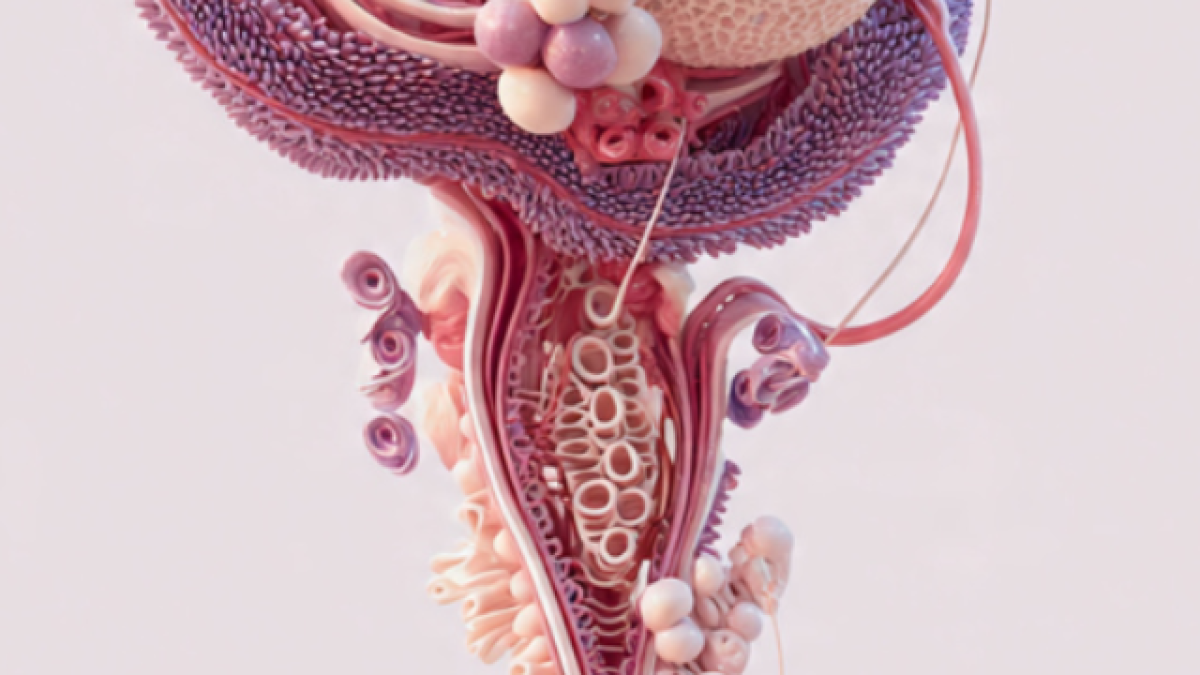
The duration of menopause symptoms is not random. Several factors significantly influence your personal timeframe.
When do symptoms begin?
This is the most consistent predictive factor. Women who are still menstruating and already experiencing hot flashes tend to have symptoms for longer, averaging 12 years. Women who don’t develop symptoms until after their last period experience them for just over three years.
You are experiencing perimenopause symptoms. Even before menstruation stops, prepare for a longer journey. Start actively addressing symptoms now, instead of waiting.
Ethnicity and Genetics
Menopause-related symptoms can last between two and eight years. Although the timing and symptoms are highly variable among women, influenced by genetics as well as external factors such as race and ethnicity, culture, lifestyle, and environment. Black women are more likely to experience early menopause, more menopausal symptoms, and longer-lasting symptoms, while Asian women… They are less likely to suffer from menopausal symptoms.
Lifestyle Factors
Smoking is associated with early onset of menopause and more intense menopausal symptoms.
Other lifestyle factors with strong evidence of influence on the duration and intensity of symptoms:
Body weight: excess adipose tissue produces inflammatory compounds, which aggravate vasomotor symptoms.
Physical activity with regular exercise, especially resistance training, contributes to reducing the intensity and duration of symptoms.
Diet: anti-inflammatory dietary patterns reduce the inflammatory load that amplifies symptoms.
Stress: chronic stress elevates cortisol, which competes with estrogen precursors and worsens symptoms.
Sleep quality: poor sleep quality amplifies pain sensitivity, and hormonal dysregulation forms a cycle of mutual reinforcement.
If the symptoms
Are treated, this is the most important factor. Women who actively manage their symptoms through lifestyle changes, specific supplementation, herbal medicine, and, when appropriate, medical treatment, consistently report a shorter and less intense duration of symptoms than those who wait for the symptoms to disappear.
The body does not reward passive resistance. Active management shortens this experience.
The Symptom Timeline – A Practical Overview
| Phase | Average Duration | Peak Intensity |
|---|---|---|
| Early perimenopause | 2–5 years | Mild — mood, sleep, cycle changes |
| Late perimenopause | 1–3 years | Most intense — hot flashes, brain fog |
| Early postmenopause | 2–4 years | Vasomotor symptoms gradually reduce |
| Late postmenopause | Ongoing | Genitourinary, joint symptoms persist |
What You Can Do to Shorten and Ease the Journey?
The Non-Negotiable Points
Regular resistance training. The most scientifically proven lifestyle intervention for reducing the intensity of menopausal symptoms. It reduces the frequency of hot flashes, improves sleep, protects bones and muscles, and regulates mood, all simultaneously.
Anti-inflammatory nutrition: reduce consumption of sugar, alcohol, and ultra-processed foods. Increasing consumption of foods rich in omega-3s, fiber, and phytoestrogens directly reduces the inflammatory environment that amplifies symptoms.
Sleep hygiene: consistent sleep schedules, a cool and dark room, and magnesium glycinate at night. These aid in hormonal recovery that occurs during deep sleep phases.
Stress management: even 10 minutes of daily mindfulness or breathing exercises significantly reduces cortisol, which directly competes with estrogen in the hormonal cascade.
Targeted Supplementation
Pharmacist’s Note – Vilma Mendonça, CRF 9930RJ:
The following supplements have scientific evidence in reducing the duration and intensity of menopausal symptoms. Dosage and suitability should always be individualized with a healthcare professional.
Magnesium glycinate: aids sleep, reduces anxiety and muscle tension. One of the supplements with the greatest impact on symptom control.
Omega-3 (EPA + DHA): reduces systemic inflammation that amplifies vasomotor symptoms and joint pain.
Soy isoflavones (40–80 mg/day): phytoestrogens that provide estrogenic support. Mild and reduce the frequency of hot flashes with consistent use for 12 weeks.
Vitamin D3: deficiency amplifies virtually all menopausal symptoms. Target: 40–60 ng/mL.
Ashwagandha is an adaptogen with evidence of reducing cortisol and anxiety. It improves sleep quality during perimenopause.
When to Consider Medical Options
For moderate to severe symptoms that significantly impact quality of life. Daily hot flashes, sleep deprivation, debilitating joint pain, severe mood swings. It’s important to talk to a doctor specializing in menopause health. Effective, evidence-based options exist in addition to lifestyle changes. There’s no reason to suffer when effective support is available.
Frequently Asked Questions
Do menopause symptoms disappear completely?
For most women, vasomotor symptoms (hot flashes and night sweats) significantly decrease or disappear within 7 to 10 years. However, genitourinary symptoms and joint changes tend to persist at low levels indefinitely without active treatment.
Can symptoms return after improving?
Yes. Stress, illness, significant weight changes, and sleep deprivation can temporarily worsen symptoms, even years after menopause. This is normal and does not mean the transition is restarting.
Is there anything that prolongs the duration of symptoms?
The main factors contributing to a longer duration of symptoms are: hot flashes before the last menstruation, smoking, a sedentary lifestyle, high stress levels, and poor sleep quality. Actively addressing these factors is the best investment to shorten your experience.
What is the minimum duration of menopause?
Some women experience very mild symptoms for 2 years or less. This is more common in women who develop symptoms only after their last menstrual period. They have no family history of prolonged symptoms, maintain an active lifestyle, and do not smoke.
Summary What to Take Away
The honest answer to “how long does menopause last” is enormously variable, taking into account the factors that are under your control.
The transition begins in perimenopause, usually in the early 40s. Vasomotor symptoms typically last 7 to 10 years for most women. Some symptoms, such as vaginal dryness and joint changes, persist long-term without active treatment.
What shortens this experience? Resistance training, anti-inflammatory nutrition, stress management, targeted supplementation, adequate sleep, and not smoking.
You can’t choose your genetics. But you have significant influence over the duration and intensity of this transition.
Scientific References
-
Avis NE, Crawford SL, Greendale G, et al. Duration of Menopausal Vasomotor Symptoms Over the Menopause Transition. JAMA Internal Medicine. 2015;175(4):531–539. doi:10.1001/jamainternmed.2014.8063 — PubMed
-
Santoro N, Roeca C, Peters BA, Neal-Perry G. The Menopause Transition: Signs, Symptoms, and Management Options. Journal of Clinical Endocrinology & Metabolism. 2021;106(1):1–15. doi:10.1210/clinem/dgaa764 — PubMed
-
IA Image
One Response