
Why Does Back Pain Occur During the Menopause Transition?
Pharmacist’s Clinical Solutions for Menopause Back Pain
- Implement Anti-Inflammatory Nutrition: Transitioning to a whole-food, anti-inflammatory diet helps lower systemic joint inflammation. Focus on foods rich in omega-3 fatty acids, antioxidants, and cruciferous vegetables to support cellular health.
- Targeted Micronutrient Support: Supplementation with clinically proven dosages of Vitamin D3, Calcium, and Magnesium is vital to preserve bone density and support muscular relaxation.
- Explore Joint Protectors: Nutrients like Glucosamine and Chondroitin can support cartilage preservation and joint lubrication, helping ease chronic spinal friction.
- Incorporate Gentle Movement: Low-impact exercises, such as yoga, swimming, or targeted core strengthening, are essential to stabilize the muscles supporting your lower back without putting excess pressure on your spinal discs.
Weight Gain and Spinal Strain
Abdominal weight gain, common during menopause, directly increases the mechanical load on the lumbar spine. Each kilogram of abdominal weight adds a disproportionate compressive force to the lower back, accelerating disc degeneration and facet joint wear.
This creates a cycle: menopause promotes abdominal weight gain; abdominal weight gain worsens back pain; back pain reduces physical activity; and reduced physical activity leads to further weight gain.
Types of Back Pain Most Common in Menopause
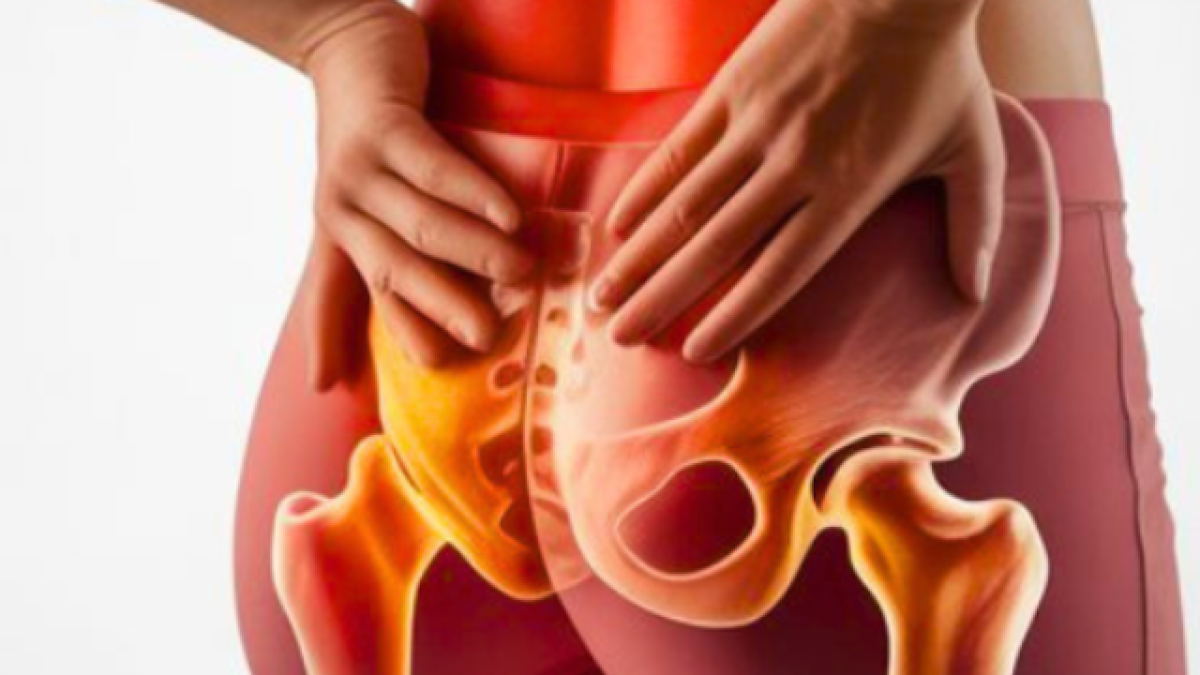
Lower back pain (lumbalgia)
The most common location. It is caused by disc degeneration and inflammation of the facet joints, as well as weakness of the trunk muscles (core) and increased load on the lower back often associated with abdominal weight gain. Pain frequently worsens in the morning and improves with gentle movement.
Mid-back pain (thoracic)
Less common, yet significant, especially in women with osteoporosis. The thoracic spine is the most frequent site of vertebral compression fractures. Pain in this region that is sudden, intense, or associated with a loss of height requires medical evaluation.
Sacroiliac Joint Pain
The sacroiliac joints are where the spine connects to the pelvis. These regions are sensitive to estrogen. Their ligaments become looser as estrogen levels decline, causing instability, inflammation, and pain in the lower back and buttocks symptoms often mistaken for intervertebral disc issues.
Referred Pain from the Pelvic Floor
Pelvic floor dysfunction is very common during menopause due to reduced estrogen. Issues affecting pelvic tissues can manifest as lower back pain, hip pain, or pain radiating to the buttocks. This connection is frequently overlooked.
What really helps? Evidence-based natural approaches.
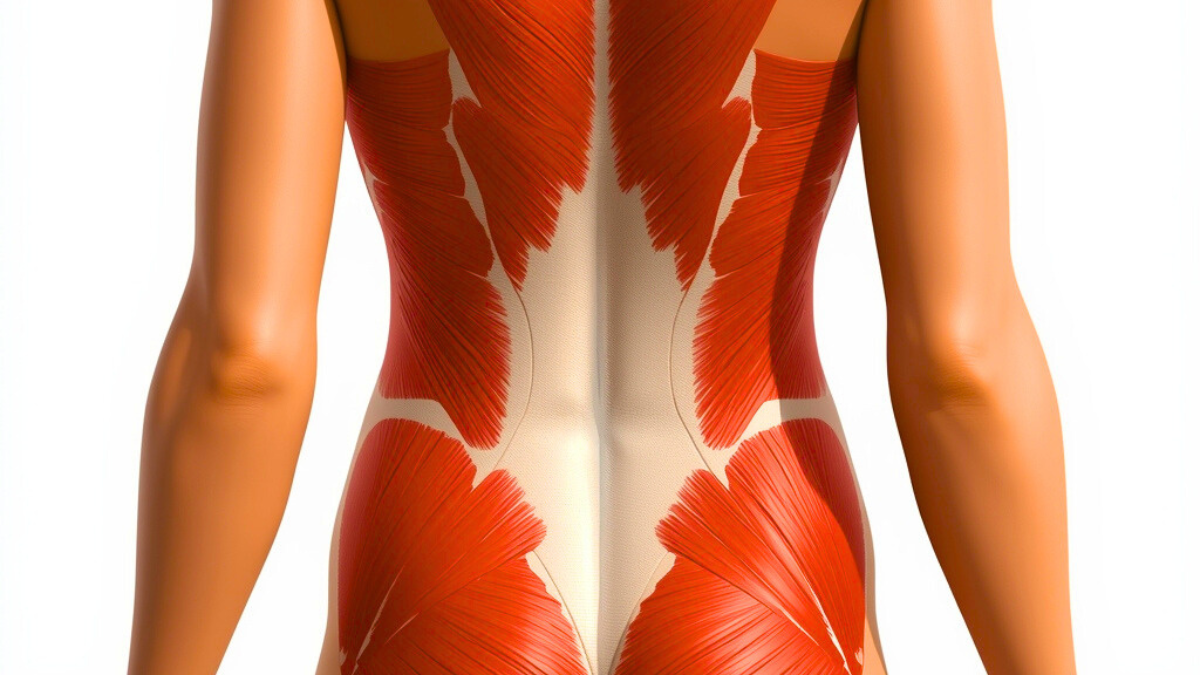
Core Strengthening: The Most Important Intervention
Core muscles form the active support system for the spine. Strengthening them is the most scientifically supported intervention for chronic lower back pain. This is particularly crucial during menopause a phase when these muscles weaken more rapidly than at any other time in life.
Exercises with the strongest evidence for menopause-related lower back pain:
*Bird-dog*: Starting on all fours, simultaneously extend the opposite arm and leg. Hold the position for 5 seconds. This movement activates the multifidus muscle the deep spinal stabilizer most important for preventing back pain. Perform 3 sets of 10 repetitions on each side.
*Dead bug*: Lie on your back with your arms extended toward the ceiling and your knees bent at 90 degrees. Lower the opposite arm and leg toward the floor while keeping your lower back in contact with the ground. Perform 3 sets of 8 repetitions on each side.
Glute bridge: Lie on your back with your feet flat on the floor and lift your hips. This simultaneously engages the glutes and core muscles, directly reducing strain on the lower back. 3 sets of 15 repetitions.
Modified plank (knees down): Hold the position for 20 to 30 seconds, progressing to a full plank as you gain strength. 3 sets.
Cat-Cow stretch: Start on all fours (hands and knees on the floor) and alternate between arching and rounding your spine. This improves spinal mobility and reduces morning stiffness. 10 repetitions, morning and evening.
Full-body resistance training
In addition to specific core work, full-body resistance training is essential for managing menopause-related back pain, as it helps preserve muscle mass that is otherwise lost due to declining estrogen levels.
It improves bone density, reducing the risk of osteoporosis.
It reduces systemic inflammation that contributes to back pain.
It improves insulin sensitivity, reducing abdominal weight gain that places strain on the spine.
Perform 2 to 3 sessions per week using progressive resistance and maintaining consistency for at least 12 weeks.
If it doesn’t improve, seek out a professional who can help you.
Anti-inflammatory Nutrition
Back pain during menopause involves a significant inflammatory component. This stems from both the drop in estrogen levels and the low-grade chronic inflammation associated with midlife metabolic changes. Dietary patterns that reduce systemic inflammation measurably decrease musculoskeletal pain.
Prioritize:
Foods rich in omega-3s such as fatty fish, flaxseed, and chia which directly reduce inflammatory prostaglandins in spinal tissues.
Colorful vegetables, which are sources of phytochemicals with anti-inflammatory effects.
Adequate protein intake at least 1.2 g per kg of body weight to preserve the core muscles that protect the spine.
Bone broth, which provides collagen precursors, as well as glucosamine and chondroitin, to support disc and joint health.
Calcium-rich foods such as dairy products, sardines (with bones), and fortified plant-based milks to support bone density.
Cut back on:
Sugar and refined carbohydrates intensify systemic inflammation.
Alcohol impairs sleep, raises cortisol levels, and worsens inflammation.
Ultra-processed foods stimulate inflammatory cytokines.
Omega-3 Supplementation
In addition to dietary sources, there is evidence supporting omega-3 (EPA + DHA) supplementation. It has specific effects on reducing musculoskeletal pain and inflammation. Studies show a measurable reduction in inflammatory markers associated with spinal degeneration, with significant improvement observed through consistent omega-3 supplementation.
Dosage: 2 to 3 g of combined EPA + DHA per day.
👉 Omega-3 (Fish Oil) – Check it out on Amazon
Magnesium Bisglycinate For Muscle Tension and Sleep
Muscle tension is a leading cause of back pain. Magnesium directly relaxes muscle tissue. Women with low magnesium levels exhibit heightened pain sensitivity and more intense muscle spasms.
Furthermore, poor sleep quality an issue magnesium helps directly address is a factor; women who sleep poorly consistently report more intense back pain than those who sleep well.
👉 Magnesium Bisglycinate – Check in out on Amazon
Vitamin D3 Essential for Bones and Muscles
Vitamin D deficiency is directly linked to musculoskeletal pain, including back pain. It is necessary for calcium absorption, the maintenance of bone density, and proper muscle function all crucial factors for spinal health during menopause.
Target blood level: 40 to 60 ng/mL. Most women over 45 have significantly lower levels without supplementation.
👉 Vitamin D3 – Check in out on Amazon
Posture and Ergonomics
As core muscles weaken during menopause, compensatory postural patterns develop—such as increased lumbar lordosis, forward head posture, and rounded shoulders. These patterns intensify the load on the spine and exacerbate pain. Practical adjustments:
Sit with your hips at a 90-degree angle and your feet flat on the floor; never cross your legs.
Keep the screen at eye level. Projecting your head forward adds 20 to 27 kg of force to the cervical spine.
Stand up and walk for 2 minutes after every 45 minutes of sitting.
Sleep on your side with a pillow between your knees; this reduces lumbar rotation.
Heat and cold therapy
Heat for muscle tension and stiffness. Apply a warm compress or a heat pack to the lower back for 15 to 20 minutes. Especially effective for morning stiffness.
Cold for acute flare-ups involving inflammation. Apply ice wrapped in a cloth or a specialized pack for 10 to 15 minutes to reduce acute inflammatory pain.
When to Seek Medical Help

Seek immediate medical attention if back pain is accompanied by:
Numbness or tingling in the legs or feet.
Leg weakness.
Loss of bladder or bowel control.
Fever.
Pain that disrupts sleep and does not improve with a change in position.
Sudden, intense pain in the mid-back especially in women diagnosed with osteoporosis.
These symptoms may indicate serious spinal issues requiring urgent evaluation.
Seek non-urgent medical evaluation if:
The pain does not improve after 6 to 8 weeks of conservative treatment.
The pain significantly affects your quality of life, such as sleep or daily activities.
You wish to assess bone density; a bone densitometry (DEXA) scan is the gold standard and is recommended for all postmenopausal women.
Pharmacist’s Note – Vilma Mendonça, CRF 9930RJ: Back pain during menopause often involves multiple contributing factors hormonal, structural, muscular, and inflammatory acting simultaneously. The most effective approach addresses all of them: core strengthening, resistance training, an anti-inflammatory diet, targeted supplementation, and sleep optimization. Each element complements the others; focusing on just one aspect rarely results in lasting improvement.
Frequently Asked Questions
Can lack of estrogen cause back pain?
How can I preserve bone density in the spine during menopause?
Is back pain a normal part of menopause?
It commonly affects a significantly higher proportion of women going through menopause compared to pre-menopausal women of a similar age. However, “common” does not mean “inevitable” or “untreatable.” Active management leads to significant improvement for most women.
Will back pain improve after menopause?
For some women, the most intense pain occurs during perimenopause a time of significant hormonal fluctuation and improves as hormone levels tend to stabilize after menopause. However, structural changes such as disc degeneration, muscle loss, and reduced bone density continue to progress. Without active intervention, this process continues. Managing post-menopausal back pain requires ongoing attention rather than a passive “wait-and-see” approach.
Can yoga help with back pain during menopause?
Yes, but with some caveats. Yoga improves flexibility, core stability, and stress management factors relevant to menopausal back pain. However, care must be taken with certain yoga poses, as they can strain lumbar discs or sacroiliac joints that are already vulnerable. Practice with an instructor experienced in musculoskeletal conditions. Avoid forward bends and intense twists during pain flare-ups.
Is swimming recommended for back pain during menopause?
Yes. Swimming and water aerobics are among the best options for back pain during menopause. The water supports body weight, eliminating compressive load on the spine while allowing for a wide range of motion. These activities are excellent both for managing acute flare-ups and as a consistent, low-impact exercise option.
💊About the Author
Related articles:
Scientific References
- Reis, A. M., et al. (2017). Vitamin D deficiency and postmenopausal joint health: A cross-sectional analysis. Revista Brasileira de Reumatologia.
- Chaganti, R. K., et al. (2012). Safety and efficacy of glucosamine and chondroitin supplementation in postmenopausal women. Breast Cancer Research and Treatment.
- Image IA