Generic selectors
Exact matches only
Search in title
Search in content
Post Type Selectors
Generic selectors
Exact matches only
Search in title
Search in content
Post Type Selectors

Menopause Hip Pain at Night: Why It Happens and How to Sleep Without Pain

Reviewed by Pharmacist Vilma Mendonça, CRF 9930RJ – Specialist in Phytotherapy and Homeopathy


menopause joint pain

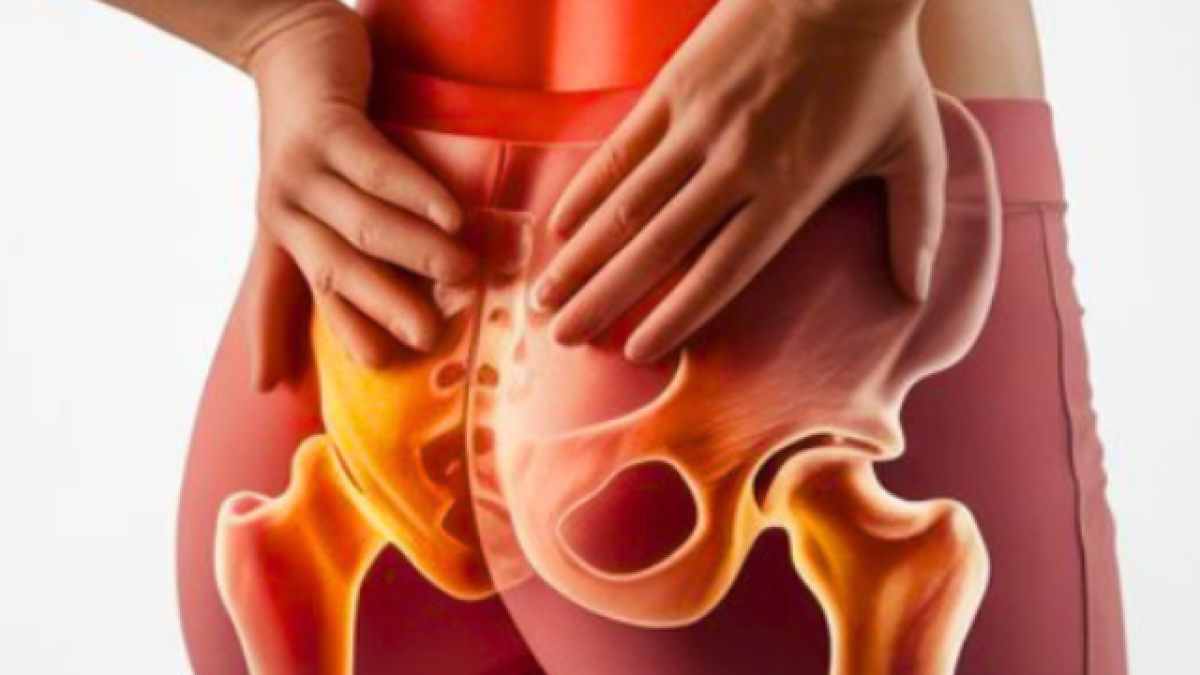
You lie down. Finally. After a long day, the pillow feels like the most desirable place in the world. But a few minutes later or worse, at 2am hip pain wakes you up. You change position.

The pain follows. You try the other side. It gets worse. You lie on your back staring at the ceiling, exhausted but unable to sleep.

If this happens to you regularly since entering menopause or perimenopause, there is a very specific hormonal reason for it  and it is not “just arthritis” or “your age.”

This article explains exactly what happens in your hips at night and why menopause intensifies this pain. It details specific steps and what you can do before bed and during the day to get your nights back.

Why Menopause Causes Hip Pain The Hormonal Root

To understand nighttime hip pain, it is first necessary to understand the role of estrogen in the musculoskeletal system a role that is rarely explained to women.

Estrogen as a Natural Anti-Inflammatory

Estrogen is not just a reproductive hormone. It has receptors throughout musculoskeletal tissue in muscles, tendons, ligaments, bursae, and articular cartilage. At healthy levels, estrogen:

  • Regulates inflammation inside joints
  • Stimulates collagen production in tendons and ligaments
  • Maintains synovial fluid lubrication in joints
  • Reduces the sensitivity of pain receptors (nociceptors) in periarticular tissues

When estrogen drops during menopause, all of these protective mechanisms weaken simultaneously. The result is a more inflamed, less lubricated joint, with stiffer tendons and ligaments and significantly more sensitive pain receptors.

Why the Pain Gets Worse Specifically at Night

This is the question that puzzles women most and the answer lies in three mechanisms that converge during sleep:

1. The horizontal position redistributes pressure During the day, body weight is distributed vertically. At night, lying on your side, the entire weight of the pelvis and trunk compresses directly onto the trochanteric bursa the small fluid-filled sac on the side of the hip, exactly where the pain tends to be most intense.

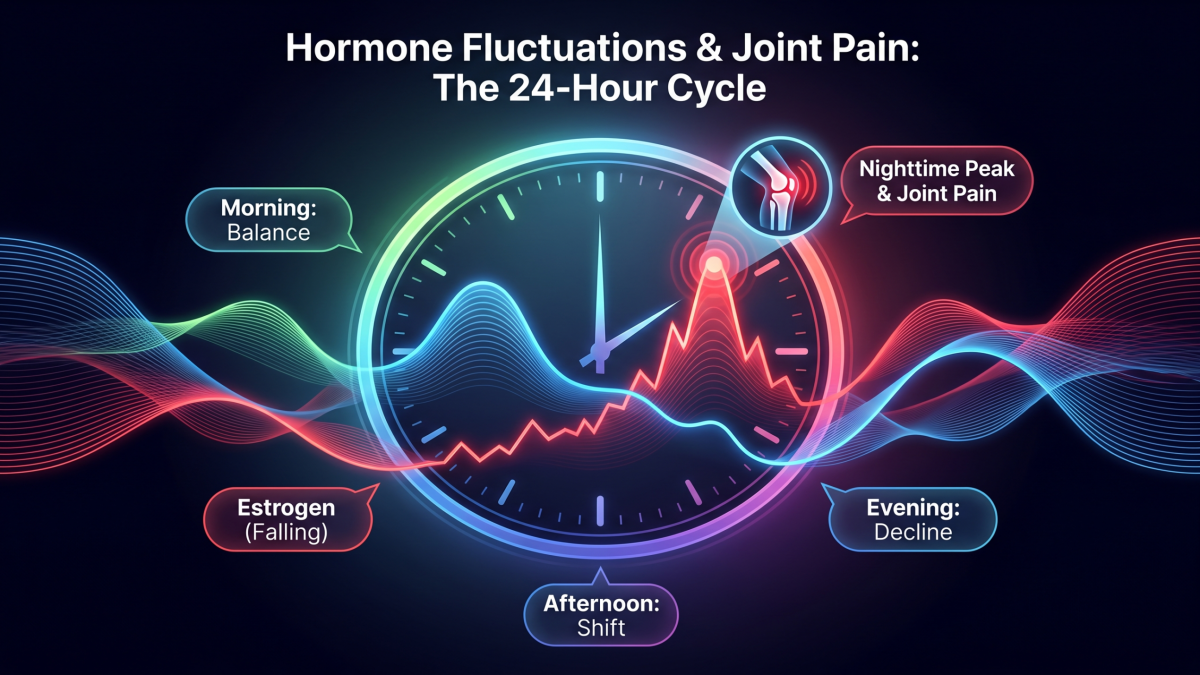
2. Cortisol drops during the night Cortisol is a natural anti-inflammatory produced by the body itself. Its levels are highest in the morning and drop progressively throughout the night. When cortisol is low in the early hours of the morning inflammation in the joints is left unchecked. This is why joint pain is classically worse between 2am and 6am.

3. Prolonged immobility dries out cartilage During sleep, when we remain in the same position for hours, articular cartilage does not receive the compression and decompression movement that pumps nutrients into the tissue. The result is increased stiffness and sensitivity especially in the hip, which bears significant load during the day.

The Hip Structures Most Affected by Menopause

Not all hip pain has the same origin. In menopause, the most frequently affected structures are:

Trochanteric bursitis: Inflammation of the bursa on the side of the hip. It is the most common cause of nighttime hip pain in menopause the pain is on the outer thigh and worsens when lying on the affected side.

Estrogen-related hip pain syndrome: The hormonal drop increases the sensitivity of nociceptors in the joint capsule. The pain can be diffuse, deep, and worsen with temperature changes or atmospheric pressure.

Cartilage degeneration (hip osteoarthritis): The drop in estrogen accelerates the wear of articular cartilage. In the early stages, pain is nocturnal before it becomes diurnal.

Abductor tendinopathy: The tendons of the muscles that stabilize the hip become more fragile with the drop in collagen induced by the estrogen decline.

Factors That Intensify Nighttime Hip Pain

bone health menopause

Beyond hormonal decline, certain factors amplify the pain and need to be identified and addressed:

Abdominal Weight Gain

Each extra kilogram concentrated in the abdomen the typical weight gain pattern in menopause alters the center of gravity and increases the load on the hip joints. Women who have gained weight during menopause frequently report proportional worsening of hip pain.

Sedentary Lifestyle

The gluteal and hip abductor muscles function as active support for the joint. When these muscles weaken which occurs naturally with the drop in estrogen and is accelerated by inactivity the hip becomes mechanically unstable, overloading the bursa and tendons.

Vitamin D and Magnesium Deficiency

Vitamin D deficiency increases sensitivity to musculoskeletal pain and impairs calcium absorption necessary for bone health. Magnesium is a cofactor in hundreds of anti-inflammatory reactions and relaxes the periarticular musculature. Deficiencies in both are extraordinarily common in women over 45.

Mattress and Sleep Position

A mattress that is too firm or too soft does not adequately distribute the weight of the pelvis increasing pressure on the trochanter. The fetal position with legs too bent also tenses the hip tendons.

What to Do Complete Protocol for Sleeping Without Pain

what is insomnia sleep disorder

Before Bed A 15-Minute Routine

1. Heat compress on the hip (10 minutes) Heat dilates local blood vessels, improves circulation in the periarticular tissue, and relaxes the tense musculature around the hip. Apply a warm compress to the side of the hip for 10 minutes before lying down.

2. Hip external rotator stretch (5 minutes) Lie on your back, bend your knees, and cross one ankle over the opposite knee the “figure 4” position. Hold for 30 seconds on each side. This stretch reduces tension in the tendons and muscles around the trochanter.

3. Oral magnesium at night Magnesium glycinate or citrate taken 30 to 60 minutes before bed has a muscle-relaxing and anti-inflammatory effect. It is one of the supplements with the best evidence for improvement of nighttime pain and sleep quality in menopause.

Sleep Position

Sleep position has a direct impact on the intensity of hip pain:

Best position: On your side, with a firm pillow between your knees. The pillow maintains pelvic alignment and reduces compression on the trochanteric bursa. Use a body pillow if possible support along the entire leg is more effective.

Second option: On your back, with a pillow under your knees to maintain slight flexion and reduce tension in the hip flexors.

Avoid: Lying directly on the painful hip without support, or in the fetal position with knees too bent which tenses the lateral tendons.

During the Day What Prevents Nighttime Pain

Nighttime pain is often the consequence of what happens or does not happen during the day.

Strength training focused on glutes and abductors (2–3x per week) Exercises such as squats, hip thrusts, resistance band abduction, and lateral steps strengthen the muscles that stabilize the hip. Strong muscles reduce the load on bursae and tendons and this is the most effective long-term treatment for menopause-related trochanteric bursitis.

Moderate daily walking Movement nourishes articular cartilage through imbibition. Walking 20 to 30 minutes a day keeps the hip joint nourished and lubricated.

Avoid sitting for more than 45 minutes at a time Prolonged sitting shortens the hip flexors and increases pressure on the bursa. Stand up, walk for 2 minutes, and resume.

Anti-Inflammatory Nutrition for the Hip

Diet directly influences inflammation in the joints and can make a real difference in the intensity of nighttime pain.

Prioritize:

  • Omega-3 (fatty fish, flaxseed, chia, fish oil supplement) measurably reduces joint inflammation
  • Turmeric with black pepper curcumin has anti-inflammatory action comparable to mild anti-inflammatory drugs in studies on joint pain
  • Hydrolyzed collagen or bone broth provides amino acids for cartilage and tendon maintenance
  • Vitamin C (kiwi, orange, bell pepper) essential for collagen synthesis
  • Magnesium (pumpkin seeds, almonds, spinach)

Reduce:

  • Sugar and refined carbohydrates increase systemic inflammatory markers
  • Alcohol disturbs sleep and increases inflammation
  • Ultra-processed foods rich in omega-6 fatty acids that promote inflammation
menopause hair

Evidence-Based Supplementation for Hip Pain in Menopause

Pharmacist’s Note – Vilma Mendonça, CRF 9930RJ: The supplementation below has scientific backing for joint pain and inflammation in menopause. Doses and suitability depend on individual clinical history. Always consult a healthcare professional.

Omega-3 (EPA + DHA, 2–3g/day): Reduces the production of inflammatory prostaglandins. Measurable effect in 6 to 8 weeks of consistent use.

Magnesium glycinate (300–400mg at night): Muscle relaxation, reduction of inflammation, and improved sleep triple benefit for nighttime hip pain.

Vitamin D3 + K2: Vitamin D deficiency amplifies pain sensitivity. Target: 40–60 ng/mL on blood test.

Hydrolyzed type II collagen (40mg/day): Specific evidence for articular cartilage protection and pain reduction in osteoarthritis.

Curcumin with piperine (500–1000mg/day): Natural anti-inflammatory with growing evidence for joint pain. Piperine (from black pepper) increases absorption by up to 2000%.

When to Seek Medical Help

Perimenopause Symptoms

Natural approaches are effective for mild to moderate pain. Seek medical evaluation if:

  • The pain is intense enough to interrupt sleep every night
  • There is significant limitation of hip movement
  • Pain radiates to the groin or below the knee
  • There is visible swelling or local warmth in the joint
  • Symptoms do not improve after 4 to 6 weeks of conservative approach

The doctor may recommend specialized physiotherapy, ultrasound-guided bursa injection, or evaluation for hormone therapy which, when indicated, has a direct impact on reducing menopause-related joint pain.


Frequently Asked Questions

Is nighttime hip pain always bursitis?

Not necessarily. It can be trochanteric bursitis, abductor tendinopathy, early osteoarthritis, or myofascial pain syndrome. Medical evaluation with physical examination and possibly ultrasound determines the origin and most appropriate treatment.

Does the pillow between the knees really make a difference?

Yes, and significantly. It maintains neutral pelvic alignment and reduces twisting of the hip joint. Women with trochanteric bursitis frequently report immediate improvement with this simple change.

Does exercise make the pain worse?

The right exercise improves it. The wrong exercise can worsen it. High-impact running and exercises that overload the iliotibial band (such as excessive stair climbing) can aggravate bursitis. Strength training focused on glutes, swimming, and cycling are the most recommended.


Summary What to Do Starting Today

Nighttime hip pain in menopause is not inevitable and does not need to be tolerated as “part of aging.” It is a measurable consequence of hormonal decline that can be significantly reduced with the right approaches.

Start this week:

  1. Place a firm pillow between your knees when sleeping
  2. Start magnesium glycinate at night
  3. Apply heat to your hip for 10 minutes before bed
  4. Add the “figure 4” stretch to your nightly routine
  5. Check your vitamin D levels

In the coming weeks:

  • Start glute-focused strength training twice a week
  • Review your diet to reduce inflammatory foods
  • Consider omega-3 and type II collagen supplementation

You deserve to sleep. Without pain. Every night.

Scientific References

  1. WĂ¡ng YXJ, WĂ¡ng JQ, KĂ¡plĂ¡r Z. Increased low back pain prevalence in females than in males after menopause age: evidences based on synthetic literature review. Quantitative Imaging in Medicine and Surgery. 2016;6(2):199–206. doi:10.21037/qims.2016.04.06 — PubMed
  2. Sniekers YH, Weinans H, Bierma-Zeinstra SM, van Leeuwen JP, van Osch GJ. Animal models for osteoarthritis and their relevance to clinical disease. Joint Bone Spine. 2008;75(5):589–94. Confirms the protective role of estrogen in articular cartilage and increased post-menopausal degradation. PubMed
  3. Image IA and Pexels

Vilma Mendonca

Writer & Blogger

Leave a Reply

Your email address will not be published. Required fields are marked *

Related Posts

Blooming in Maturity Menopause with Natural Therapies and Self-Care.

Contact

Copyright @2025 Mariah Chic - All rights reserved