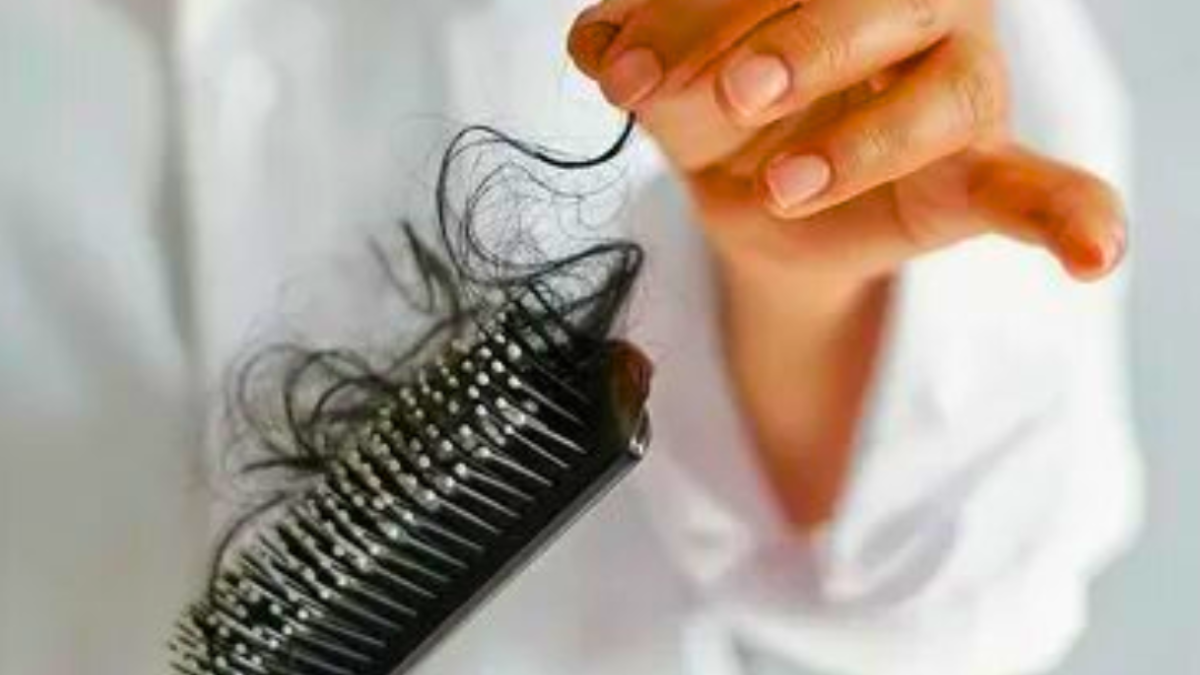
Why Does Hair Loss Occur During the Menopause Transition?
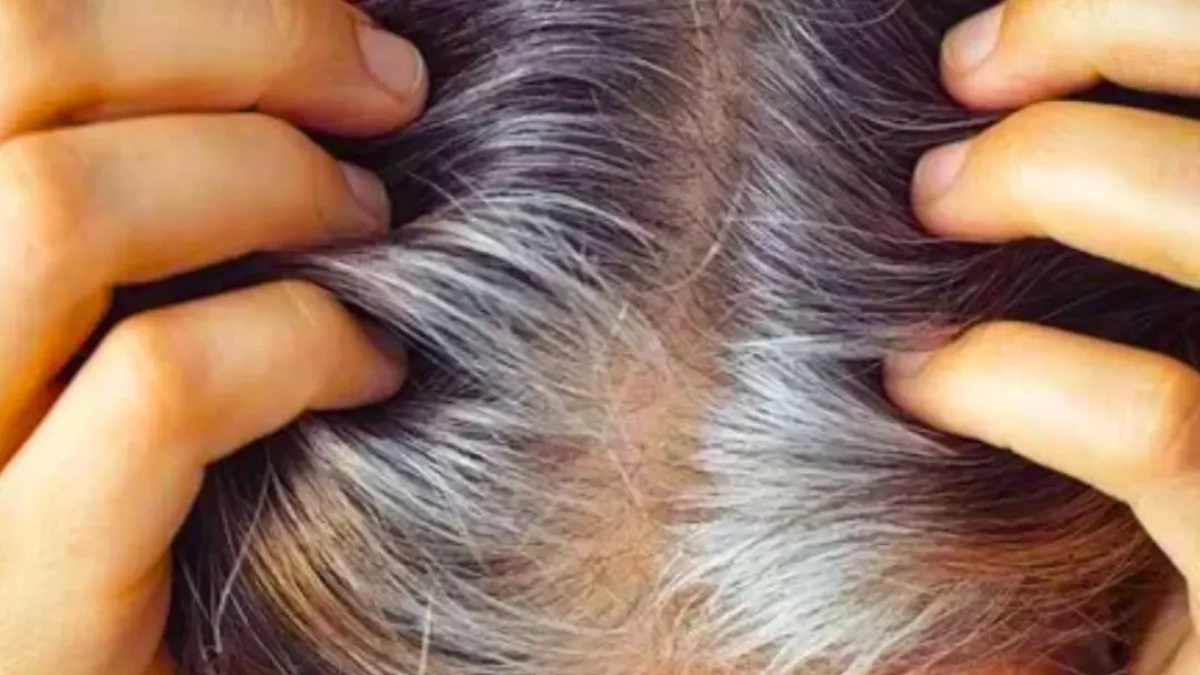
Hair loss during menopause is primarily driven by the decline of estradiol, which disrupts the protective balance between estrogens and androgens. This hormonal shift increases hair follicle sensitivity to dihydrotestosterone (DHT), causing follicles to shrink, shorten their growth phase, and shed prematurely.
The Biological Link: Cortisol, Stress, and the Hair Cycle
High cortisol levels from chronic stress and poor sleep during menopause disrupt the hair growth cycle, pushing active follicles prematurely into the resting phase. This chronic elevation of stress hormones, combined with poor nutrient absorption, triggers widespread hair thinning known as telogen effluvium.
Pharmacist’s Clinical Solutions for Menopausal Hair Thinning
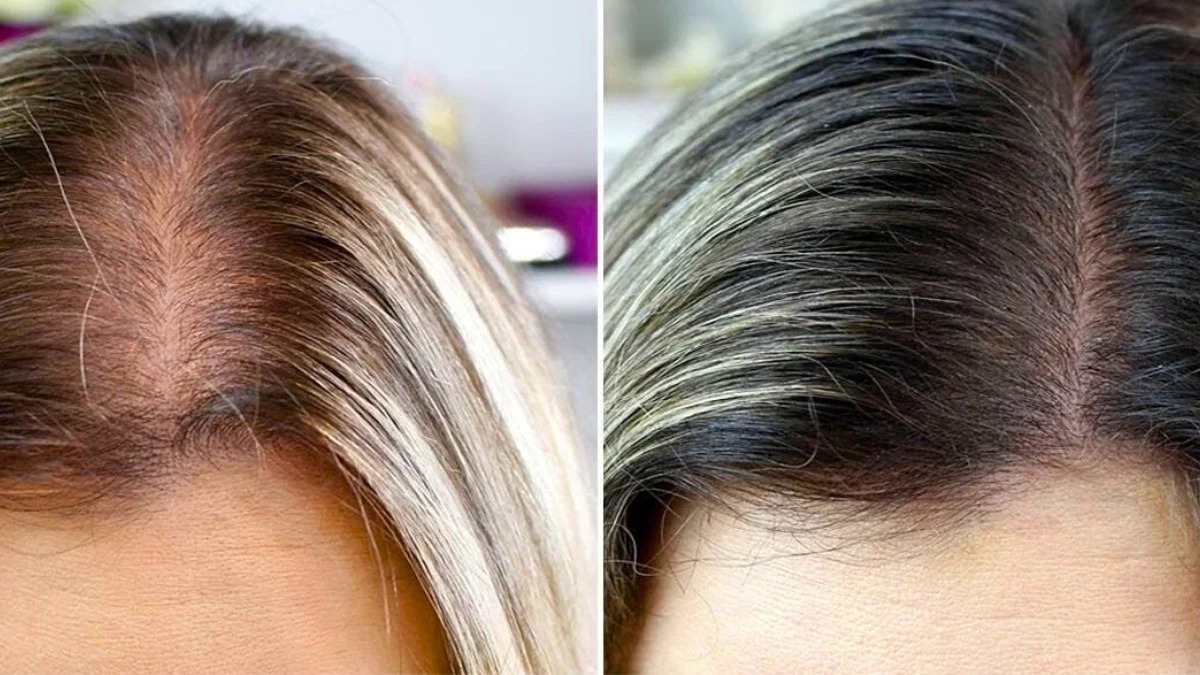
- Support with Natural DHT Blockers: Clinical evidence suggests that botanicals like Saw Palmetto and [Pumpkin Seed Oil] can help inhibit the 5-alpha-reductase enzyme, reducing the conversion of testosterones into the hair-damaging DHT.
- Nourish Keratin Production: Ensure a daily intake of high-quality [Biotin and Zinc supplements] to supply the building blocks required for strong, resilient hair strands.
- Transition to Anti-Inflammatory Nutrition: Adopting an anti-inflammatory diet rich in antioxidants, omega-3 fatty acids, and green tea polyphenols helps lower systemic scalp inflammation and protects follicles from oxidative stress.
- Incorporate Scalp Aromatherapy: Massaging the scalp with a carrier oil containing rosemary essential oil can improve local microcirculation, stimulating the delivery of nutrients to active follicles.
What Actually Helps Evidence-Based Approaches
Address Root Causes First
Before any topical intervention or supplementation, identify and treat underlying causes:
Assess thyroid function TSH, free T3, free T4.
Assess ferritin aim for above 70 ng/mL for hair health.
Assess vitamin D aim for between 40 and 60 ng/mL.
Assess protein intake a minimum of 1.2 g per kg of body weight daily.
Review medications. Many common medications cause hair loss as a side effect, including statins, antihypertensives, antidepressants, and metformin.
Nutrition The Foundation of Hair Health
Adequate protein intake is the most important dietary factor for hair. Hair follicles are among the most metabolically active cells in the body; they require a constant supply of amino acids to produce keratin. Menopausal women who restrict calories or consume low-protein diets often experience significant hair loss as a result.
Goal: a minimum of 1.2 g of protein per kg of body weight daily, distributed across meals. Prioritize leucine-rich sources such as eggs, fish, chicken, and dairy which more directly stimulate protein synthesis in the follicles.
Iron-rich foods: red meat, lentils, spinach, pumpkin seeds. Particularly important for women with low ferritin levels.
Zinc-rich foods: oysters, beef, pumpkin seeds, hemp seeds essential for follicular function.
Foods containing biotin: eggs, nuts, seeds, sweet potatoes. They support keratin structure.
Omega-3-rich foods: fatty fish, flaxseed, chia seeds. They reduce scalp inflammation, which contributes to follicle damage.
When to Seek Medical Evaluation
Seek medical evaluation for hair loss if:
The hair loss is heavy consistently exceeding 100 to 150 strands per day.
There are visible bald patches rather than diffuse thinning.
The hairline is receding at the front (possible frontal fibrosing alopecia).
Hair loss is accompanied by other symptoms fatigue, weight changes, or temperature sensitivity (signs related to thyroid issues).
Natural approaches show no improvement after 6 months.
A dermatologist or trichologist can perform a scalp examination and trichoscopy (scalp dermatoscopy), order specific blood tests to identify the pattern and causes of hair loss, and recommend medical treatments including topical minoxidil, prescription medications, or PRP (platelet-rich plasma) therapy, where appropriate.
Note from pharmacist Vilma Mendonça (CRF 9930RJ): The most effective approach to menopausal hair loss addresses multiple factors simultaneously: hormonal changes, nutritional deficiencies, cortisol levels, thyroid function, and scalp care. Treating just one of these aspects rarely yields satisfactory results. Discuss your blood work with your dermatologist to identify deficiencies, optimize your nutrition and protein intake, and manage cortisol levels. Incorporate targeted supplementation. Maintain the treatment consistently for 3 to 6 months before evaluating the results, as hair growth cycles are slow.
Frequently Asked Questions
Is hair loss during menopause permanent?
What is the best natural ingredient to block DHT in women?
Does hair grow back after menopause?
In the case of telogen effluvium, yes usually with the right support. With androgenetic alopecia, however, follicles become miniaturized; while they may partially recover with treatment, fully restoring hair density is generally not possible without medical intervention. Early treatment yields better results than waiting.How long does it take to see results with natural approaches?
Hair grows about 1 cm per month. Results from nutritional interventions and supplementation typically take 3 to 6 months to become visible, as follicles that were in the resting phase must complete a new growth cycle before new strands appear on the surface.Does biotin really work?
Biotin supplementation produces significant results, but only in women with an actual biotin deficiency a condition that is less common than marketing suggests. For women with adequate biotin levels, additional supplementation does not lead to measurable improvements in hair growth. It is recommended to undergo testing before starting supplementation.Is hair loss caused by menopause permanent?
The underlying hormonal cause persists, but the extent of hair loss can be significantly altered through the interventions described earlier. Many women achieve a marked improvement in hair density and a reduction in hair shedding by adopting a healthy lifestyle and consistent nutritional support.- Davis, S. R., et al. (2012). Estrogen and hair follicle dynamics: Musculoskeletal and dermatological shifts during menopause. Climacteric Journal.
- Reis, A. M., et al. (2017). The role of micronutrients, Vitamin D, and Zinc in female pattern hair loss. Revista Brasileira de Reumatologia.
Related articles:
-
About the AuthorReviewed by pharmacist Vilma Mendonça, CRF 9930/RJ – Specialist in Phytotherapy and Homeopathy.
A specialist in phytotherapy and homeopathy with over 20 years of clinical experience. She is the founder of Mariah Chic, a science-backed natural health platform dedicated to helping women over 45 experience maturity with scientific clarity, vitality, and elegance. Disclaimer: The content provided by Mariah Chic is strictly educational and informational in nature. It is not a substitute for professional medical advice, diagnosis, or treatment for any health condition.
Disclaimer: The content provided on Mariah Chic is for educational and informational purposes only. It is not intended to substitute for professional medical advice, diagnosis, or treatment of any health condition. - Image -IA