
Menopause is a natural transition, but it brings physical and emotional challenges. One of the most common complaints is weight gain, especially around the belly. Many women ask: “Why am I gaining weight even if I haven’t changed my diet?”
The answer lies in hormones, metabolism, muscle loss, and even genetics. Let’s explore in detail what happens inside the body and what can be done to stay healthy and confident during this stage. Read this too: http://mariahchic.com/menopause/menopause-body/
The Role of Hormones in Weight Gain
During menopause, levels of estrogen and progesterone drop significantly. These hormones help regulate metabolism and fat distribution.
With lower estrogen:
-
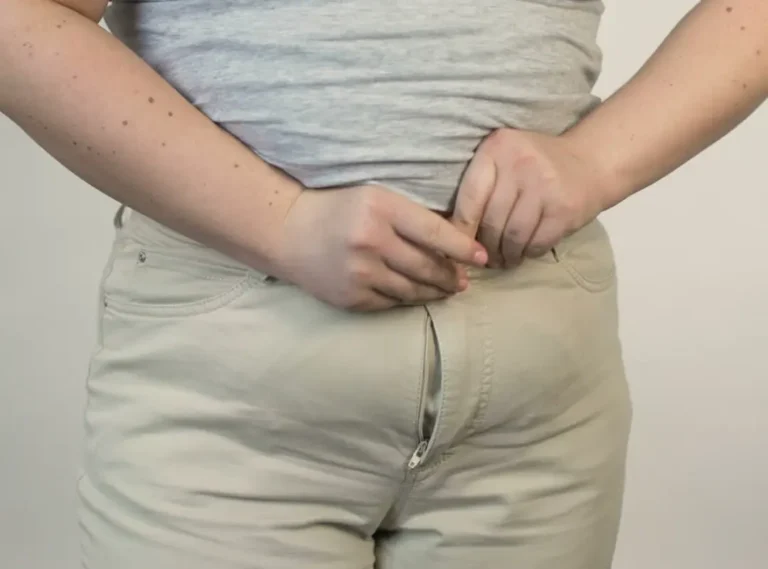
The body tends to store more fat in the abdomen.
-
Insulin sensitivity decreases, making weight gain easier.
-
The metabolism slows down, so the body spends less energy even at rest.
What Is a Slow Metabolism?
Metabolism is the process your body uses to convert food into energy. When it is slow, the body burns fewer calories to perform the same tasks.
In menopause, metabolism slows down because:
-
Muscle mass is lost, and muscle helps keep metabolism high.
-
Insulin resistance increases, making it harder to use glucose as energy.
-
Basal metabolic rate (the minimum calories your body burns at rest) decreases.
This means weight gain can happen even with the same eating habits.

Muscle Loss The Invisible Change
From the age of 40, women naturally begin to lose muscle mass a process called sarcopenia.
-
Less muscle = fewer calories burned.
Muscle tissue is metabolically active, meaning it burns calories even at rest. Losing muscle reduces daily energy expenditure. -
Fat replaces muscle.
With hormonal decline and less physical activity, fat begins to take the place of muscle, leading to flabbier arms, legs, and abdomen.
This explains why many women gain weight during menopause even without eating more. Read this too: https://mariahchic.com/menopause/sarcopenia-in-menopause
Insulin Resistance: The Silent Enemy
Insulin is a hormone that carries glucose (sugar) from the blood into the cells, where it’s used for energy.
When the body develops insulin resistance:
-
Glucose does not enter the cells efficiently.
-
The body “thinks” it lacks energy and starts storing more fat.
-
Blood sugar rises, increasing the risk of type 2 diabetes.
This is one of the main reasons why belly fat is so common during menopause.

Where Does the Fat Go in Menopause?
Fat distribution changes significantly:
-
Abdomen (visceral fat): the most dangerous, surrounding internal organs and linked to diabetes, heart disease, and chronic inflammation.
-
Hips and thighs (subcutaneous fat): less harmful for health, but more resistant to diet and exercise.
-
Arms, back, and breasts: some women notice new fat deposits or enlargement due to hormonal changes.
-
Waistline: the classic “belly fat” becomes more prominent.
Health Consequences of Menopause Weight Gain
-
Visceral fat (belly): increases the risk of heart disease, high cholesterol, high blood pressure, and insulin resistance.
-
Subcutaneous fat (hips and thighs): harder to lose and frustrating for body image.
-
Muscle loss + fat gain: leads to weakness, flabbiness, and greater joint pain.
How to Control Weight Gain in Menopause
1. Smart Nutrition
-
Increase protein intake (chicken, fish, eggs, legumes, protein powders) to protect muscle mass.
-
Eat more fiber (vegetables, fruits, whole grains) to improve satiety and digestion.
-
Reduce refined carbs and sugar, which worsen insulin resistance.
-
Add healthy fats (avocado, nuts, olive oil) for hormone balance.
2. Physical Activity
-
Strength training: the best way to slow muscle loss and boost metabolism.
-
Cardio exercises: walking, cycling, swimming for fat burning.
-
Yoga or Pilates: improve flexibility, posture, and stress control.
3. Lifestyle Habits
-
Sleep well: less than 7 hours raises hunger hormones.
-
Manage stress: high cortisol favors belly fat.
-
Stay hydrated: water supports metabolism and reduces cravings.

Supplements That May Help
Supplements are not magic solutions, but they can support women in this stage. Always consult a doctor or nutritionist before use.
-
Protein powder (whey, plant-based, collagen): helps preserve muscles.
-
Omega-3 fatty acids: reduce inflammation and improve insulin sensitivity.
-
Magnesium: supports sleep, relaxation, and stress control.
-
Vitamin D + calcium: protect bone health and metabolism.
-
Probiotics: support gut health and may influence weight control.
-
Soy isoflavones (phytoestrogens): can reduce menopausal symptoms and help with hormonal balance.
-
Green tea extract (EGCG): slightly boosts metabolism and fat burning. Read this too: https://mariahchic.com/menopause/beautiful-during-menopause
Conclusion
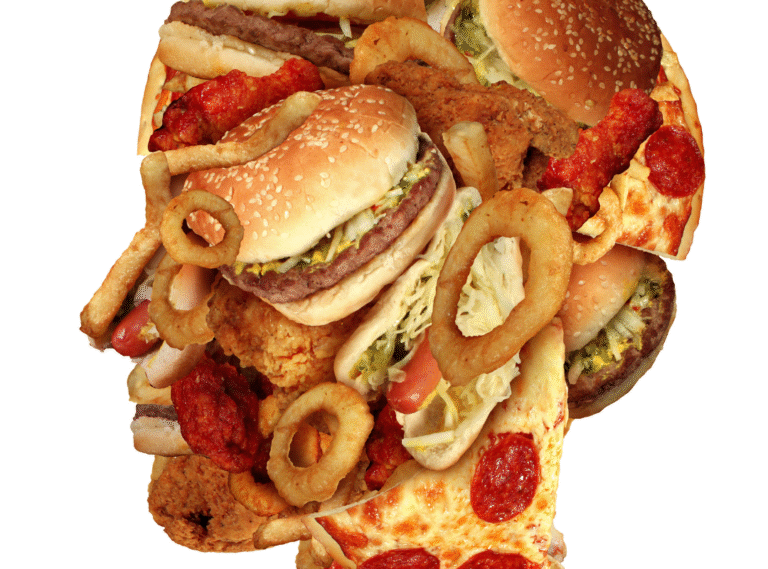
Menopause weight gain is not just about aesthetics — it is a result of hormonal changes, muscle loss, slow metabolism, and insulin resistance. The way fat is stored also changes, with a strong tendency toward belly fat.
The good news is that women can regain control. By combining smart nutrition, strength training, stress management, quality sleep, and the right supplements, it is possible to stay healthy, strong, and confident during this new chapter of life.
Scientific Studies
-
Lovejoy JC, Champagne CM, de Jonge L, Xie H, Smith SR.
Increased visceral fat and decreased energy expenditure during the menopausal transition.
International Journal of Obesity (2008) 32, 949–958.
➝ Concludes that menopause is associated with increased abdominal fat and lower energy expenditure, independent of age. -
Toth MJ, Tchernof A, Sites CK, Poehlman ET.
Menopause-related changes in body fat distribution.
Annals of the New York Academy of Sciences. 2000 May;904:502-6.
➝ Shows that menopause shifts fat storage from the lower body to the abdomen, increasing health risks.
Reviewed and written by: Vilma Mendonça
Photo sources: Yandex
One Response