

This is a question more and more women are quietly typing into search engines often late at night, after another restless sleep or a moment of confusion in front of the mirror.
Is it really possible to enter menopause at 45?
👉 Related article: https://mariahchic.com/menopause/menopause-vaginal-dryness/
The short answer is yes.
But the honest answer deserves more explanation, more context, and more kindness.
For many women, the mid-40s mark the beginning of a transition rather than an ending. The body is not suddenly “shutting down.” It is reorganizing itself, hormonally and emotionally, in ways that are often misunderstood.
Check out this YouTube channel: https://www.youtube.com/@GraceinBloom-q9n
Menopause does not Happen Overnight
One of the biggest misconceptions about menopause is the belief that it begins abruptly. In reality, menopause is confirmed only after 12 consecutive months without a menstrual period.
What most women experience at 45 is perimenopause, a transition phase that can last several years. During this time, estrogen and progesterone production becomes irregular. Hormone levels rise and fall unpredictably, creating symptoms that may appear, disappear, and return without warning.
This hormonal instability is what makes the mid-40s feel confusing. Some days feel normal. Others feel unfamiliar. And many women are left wondering if what they’re experiencing is “normal.”
Why do Changes Often Start Around Age 45?
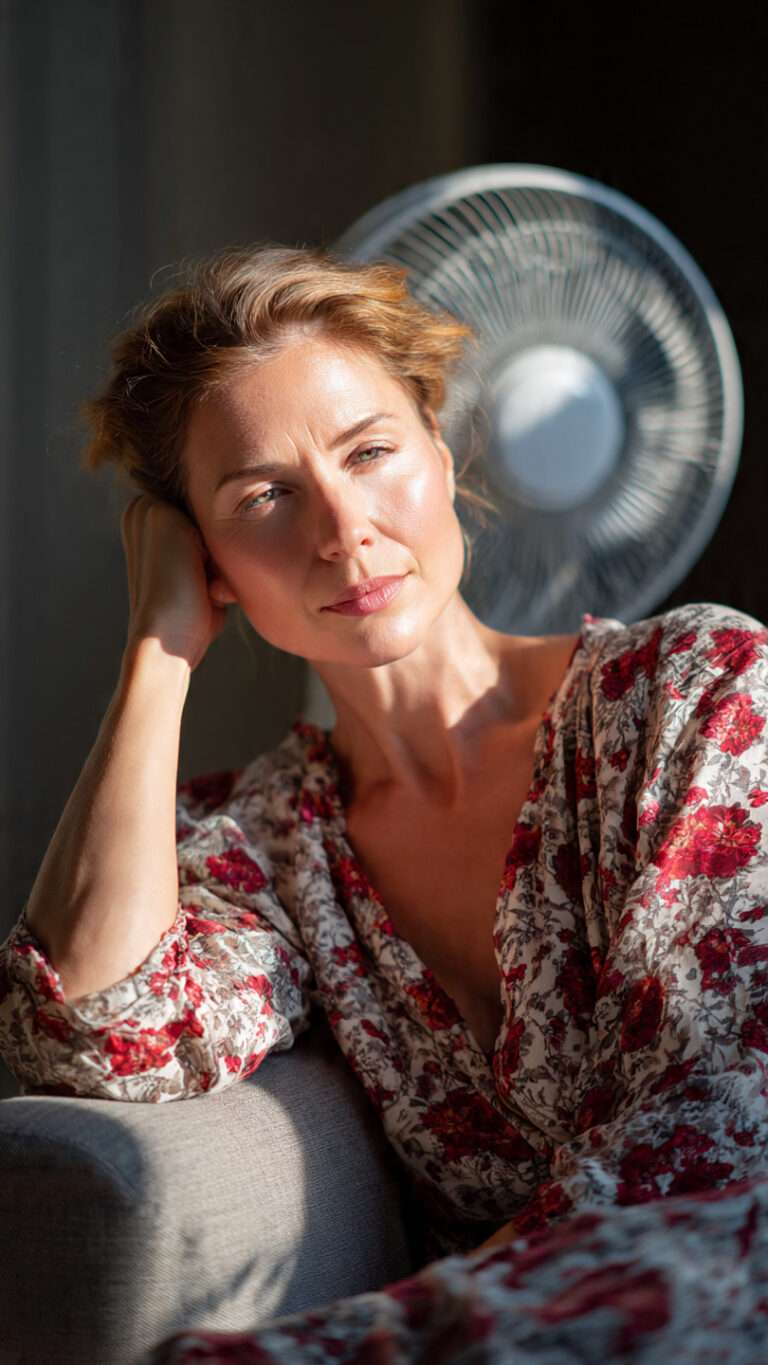
By the mid-40s, the ovaries naturally produce less estrogen. This process is gradual, but the body is very sensitive to hormonal shifts.
At this stage of life, several factors tend to overlap:
-
Reduced ovarian hormone production
-
Increased sensitivity to stress
-
Slower metabolic adaptation
-
Greater impact of poor sleep
-
Emotional and lifestyle demands
Together, these changes make hormonal fluctuations more noticeable. What once felt manageable may now feel overwhelming even without major changes in routine.
Common Signs of Perimenopause at 45
Every woman experiences this transition differently, but some symptoms are particularly common around this age.
👉 Related article: https://mariahchic.com/menopause/menopause-vaginal-dryness/
Changes in the menstrual cycle
Periods may become irregular, shorter, longer, heavier, or lighter. Skipped cycles followed by unexpected bleeding are typical during perimenopause.
Sleep disturbances
Difficulty falling asleep, waking up during the night, or feeling unrefreshed in the morning is one of the most frequent complaints. This is often linked to fluctuating estrogen levels affecting melatonin production.
Skin changes and early aging signs
Skin may become drier, thinner, less elastic, or more sensitive. Products that once worked well may no longer deliver the same results.
Mood changes and emotional sensitivity
Irritability, anxiety, sadness, or emotional instability can appear without obvious triggers. These shifts are closely connected to estrogen’s influence on brain chemistry.
Fatigue and mental fog
Low energy and difficulty concentrating are common, especially when sleep quality declines.
The role of estrogen during this transition
Estrogen is not only a reproductive hormone. It plays a vital role throughout the body, influencing:
-
Body temperature regulation
-
Sleep quality
-
Collagen production and skin elasticity
-
Bone health
-
Vaginal lubrication
-
Cognitive function
-
Emotional balance
During perimenopause, estrogen does not simply decline—it fluctuates. These irregular levels can confuse the body, leading to symptoms that feel inconsistent and unpredictable.
Understanding estrogen’s role helps women stop blaming themselves for changes that are biological, not personal failures.
Check out this YouTube channel: https://www.youtube.com/@GraceinBloom-q9n
Estrogen and Skin Why Changes Become Visible

Estrogen supports collagen production and skin hydration. As levels fluctuate, skin renewal slows down. This may result in dryness, loss of firmness, fine lines, and increased sensitivity.
Many women respond by trying stronger skincare products, but the real shift is internal. Supporting the body gently often makes more sense than fighting visible signs aggressively.
Estrogen, sleep, and emotional well-being
Estrogen influences neurotransmitters such as serotonin and melatonin, which affect mood and sleep cycles. When estrogen becomes unstable, sleep may become lighter and more fragmented.
This hormonal insomnia is different from stress-related sleeplessness. It often requires a different approach—one that focuses on rhythm, consistency, and hormonal balance rather than exhaustion alone.
Why Phytohormones Attract Attention During this Phase
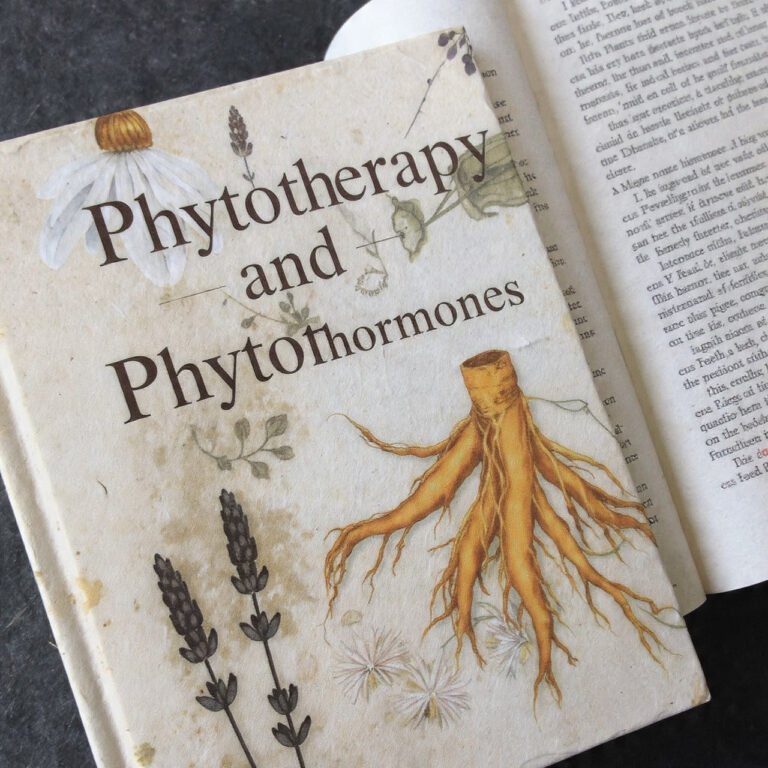
As women seek gentler ways to support their bodies, phytohormones have gained attention.
Phytohormones are plant compounds with a structure similar to human estrogen. They do not replace hormones or act as medication. Instead, they may interact mildly with estrogen receptors, offering subtle support during hormonal transitions.
Many women are drawn to phytohormones because they:
-
Offer a more natural approach
-
May help with mild symptoms
-
Support balance rather than force change
-
Encourage body awareness and self-care
Responses vary. Some women notice improvements in sleep, hot flashes, or overall well-being. Others experience more subtle effects. There is no universal outcome only individual responses.
👉 Related article: https://mariahchic.com/menopause/menopause-vaginal-dryness/
The value of gentle support during perimenopause
One of the greatest benefits of natural approaches is their respect for the body’s timing.
Perimenopause is not a phase to fight against. It is a phase to understand. Gentle routines, consistent habits, and supportive choices often lead to better long-term comfort than aggressive interventions.
This stage invites women to listen more closely to their bodies sometimes for the first time.
Medical guidance remains essential
Even when choosing natural support, medical follow-up is essential.
A healthcare professional can:
-
Help identify the stage of hormonal transition
-
Rule out other health conditions
-
Discuss appropriate options for individual symptoms
-
Guide safe, informed decisions
Natural approaches and medical care are not opposites. They can and should work together.
Check out this YouTube channel: https://www.youtube.com/@GraceinBloom-q9n
Conclusion: Menopause at 45 is not a Failureit’s a Transition
Yes, it is possible to enter the menopausal transition at 45. For many women, it is a natural and expected stage of life.
Understanding estrogen’s role, recognizing early symptoms, and exploring gentle support options can transform fear into awareness. This phase does not signal loss it signals change.
With knowledge, compassion, and proper medical guidance, this transition can be approached with confidence rather than anxiety.
Your body is not betraying you.
It is asking to be understood.
Revised and written by: Dr. Vilma Mendonça
Images – produced by AI





1 Comment
[…] https://mariahchic.com/menopause/menopause-at-45 […]