Menopause and sexuality why desire changes and how to reconnect with your body

The beginning of menopause often brings physical and emotional changes that directly affect female sexuality. Many women notice a sudden decrease in sexual desire, changes in how their body responds to stimulation, and a loss of spontaneity in pleasure. Although these changes are common, they can still cause confusion, insecurity, and emotional distress.
It is essential to understand that sexuality does not disappear with menopause. Instead, it transforms, following hormonal, emotional, and physiological changes that occur during this stage of life.
What Happens in the Body at the Beginning of Menopause?

Early menopause, also known as perimenopause, is marked by significant hormonal fluctuations, especially in estrogen and progesterone levels. These hormones are closely linked to:
-
sexual desire
-
vaginal lubrication
-
genital sensitivity
-
emotional balance
-
sleep quality
When their levels decline or fluctuate, the body responds in multiple ways, affecting both physical health and emotional well-being including sexual health.
👉 Related article: https://mariahchic.com/menopause/abdominal-fat
Sudden Symptoms That Interfere With Sexuality

Hot flashes
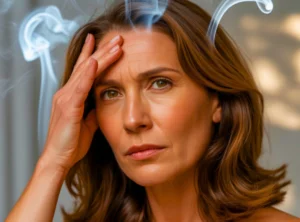
Sudden hot flashes are one of the most recognized symptoms of early menopause. They may occur during the day or night, causing excessive sweating and discomfort. When frequent, they reduce energy, affect self-esteem, and negatively impact sexual interest.
Anxiety and emotional instability
Hormonal changes influence neurotransmitters such as serotonin, which explains increased anxiety, irritability, or emotional tension. A restless mind makes it difficult to relax and engage in intimacy.
Insomnia and poor sleep quality
Sleep disturbances are extremely common during early menopause. Insomnia may be linked to night sweats, anxiety, or circadian rhythm changes. Poor sleep reduces libido, energy levels, and emotional resilience.
Depressive symptoms
Some women experience depressive symptoms such as low mood, loss of motivation, emotional detachment, and reduced interest in pleasurable activities. These factors strongly affect self-esteem and sexual desire.
👉 Related article: https://mariahchic.com/menopause/menopausal-insomnia
Is Low Libido Related to These Symptoms?

Yes. Reduced libido rarely appears on its own. It is usually connected to:
-
hormonal changes
-
physical fatigue
-
anxiety
-
sleep deprivation
-
body discomfort
-
changes in body image
For this reason, addressing libido without considering overall health often leads to limited results. Sexuality reflects the balance between body, mind, and emotions.
Physical Changes That May Affect Sexual Pleasure
In addition to low desire, early menopause may cause physical changes such as:
-
decreased vaginal lubrication
-
increased sensitivity or burning sensations
-
vaginal dryness
-
discomfort or pain during intercourse
Ignoring these symptoms may lead to fear of intimacy and emotional distance.
👉 Related article: https://mariahchic.com/menopause/menopause-vaginal-dryness
How to Deal With Sexuality at the Beginning of Menopause

1. Seek regular medical follow-up
The first step is consulting a healthcare professional to assess overall health. Medical monitoring allows evaluation of:
-
hormone levels
-
gynecological health
-
thyroid function
-
nutritional deficiencies
-
emotional well-being
A health report helps determine whether symptoms are expected or require intervention.
2. Talk openly about sexuality
Sexuality should be openly discussed with healthcare providers. Sharing concerns allows personalized guidance and more effective treatment strategies. Open communication with a partner also reduces pressure and strengthens emotional connection.
3. Consider hormone therapy options
In some cases, hormone therapy may help relieve severe symptoms such as hot flashes, insomnia, and vaginal dryness. This decision should always be individualized and supervised by a qualified professional.
4. What if you choose not to use synthetic hormones?
Not all women want or can use synthetic hormones. In such cases, complementary approaches may support hormonal balance.
On our blog, we have a dedicated article about phytohormones, explaining how plant-based compounds may help during menopause.
👉 Visit our menopause section: https://mariahchic.com/menopause
Professional guidance remains essential.
5. Prioritize emotional health
Emotional well-being is central to sexual health. Strategies such as therapy, stress management, mindfulness, and pleasurable activities can improve self-esteem and body connection.
6. Lifestyle matters
Healthy habits play a critical role:
-
balanced nutrition
-
regular physical activity
-
reduced alcohol intake
-
avoiding smoking
-
consistent sleep routines
These habits improve metabolism, mood, and sexual well-being.
Sexuality and Menopause A New Phase, Not the End

Menopause does not mark the end of sexuality. With proper understanding and care, many women rediscover pleasure in a more conscious and fulfilling way.
👉 Related article: https://mariahchic.com/menopause/menopause-and-libido
Conclusion
Managing sexuality at the beginning of menopause requires awareness, patience, and self-care. Symptoms such as hot flashes, anxiety, insomnia, and mood changes directly affect libido, but safe and effective strategies exist.
Medical guidance, emotional support, and informed choices allow women to navigate menopause with confidence and quality of life.
Scientific Studies
-
Sexual function and quality of life in menopausal women
Published in 2015 – Journal of Sexual Medicine -
Impact of menopausal symptoms on sexual health and emotional wellbeing
Published in 2018 – Menopause: The Journal of The North American Menopause Society
Written and reviewed by Dr. Vilma Mendonça – Pharmacist