
Unveiling Vitamin A: More Than a Nutrient, an Ally in Menopause
Menopause is a phase of profound transformations in the female body, bringing with it challenges ranging from the well-known hot flashes to changes in skin, bones, and immunity. Amidst this journey, nutrition plays a stellar role, and one nutrient that deserves prominence is Vitamin A.
Often associated only with eye health, Vitamin A is, in fact, a true Swiss Army knife for women going through perimenopause and menopause, offering benefits that directly impact quality of life and overall well-being.
But what makes Vitamin A so special for women in menopause? The answer lies in its multiple functions, which go far beyond vision. It is crucial for maintaining skin integrity, bone health, proper functioning of the immune system, and even reproductive health (although this last aspect is more relevant in earlier life stages).
With the drop in hormone levels, especially estrogen, the female body becomes more vulnerable to certain conditions, and Vitamin A emerges as a protective shield and an agent of renewal.
In this comprehensive guide, we will delve into the benefits of Vitamin A specifically for women in menopause, uncovering how it can be a powerful ally in maintaining radiant skin, healthy eyes, strong bones, and robust immunity. We will cover the best sources, ideal dosage, and, most importantly, the necessary balance to make the most of its powers, always based on scientific evidence.
Radiant Skin in Menopause: The Rejuvenating Power of Vitamin A

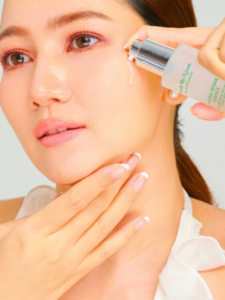
One of the biggest aesthetic and health concerns for women in menopause is their skin. With decreasing estrogen, collagen and elastin production plummets, resulting in dryness, loss of firmness, more pronounced wrinkles, and thinner, more fragile skin. This is where Vitamin A, in its various forms, shines as a star.
Retinoids: The Gold Standard for Anti-Aging
Combating Dryness and Loss of Elasticity
Healthy Eyes in Menopause: Clear Vision with Vitamin A

Another often-neglected but quite bothersome symptom during menopause is dry eye. The hormonal drop can affect tear production, causing irritation, redness, and a gritty feeling in the eyes. Vitamin A is fundamental for eye health and can be a great ally in this regard.
Vitamin A and the Prevention of Dry Eye
Vitamin A plays a vital role in the formation and maintenance of mucous membranes, including those on the ocular surface. Adequate vitamin A intake helps ensure the production of a healthy tear film, which lubricates and protects the eyes. In cases of deficiency, a condition known as xerophthalmia (severe dry eye) can develop, severely affecting vision and comfort.
Furthermore, vitamin A is an essential component of rhodopsin, a pigment found in the retina that is crucial for vision in low-light conditions. Therefore, maintaining good vitamin A levels is important not only to prevent dry eye but also to preserve overall visual acuity, especially as we age.
Strong Bones and Robust Immunity: Essential Benefits of Vitamin A

Menopause is a period of increased risk for bone mass loss, which can lead to osteopenia and osteoporosis. Vitamin A has a complex role in bone health, and its consumption must be balanced. Additionally, immunity can also be affected by hormonal changes, and Vitamin A is a fundamental pillar for a strong defense system.
Vitamin A and Bone Health The Delicate Balance
The relationship between vitamin A and bone health is a subject of ongoing research and requires attention. While vitamin A is necessary for bone development and maintenance, excessive intake of its preformed form (retinol) has been associated with an increased risk of fractures in postmenopausal women. A study by Lim et al. (2004), published in the journal Osteoporosis International, highlighted this possible link, suggesting that high doses of retinol may stimulate the activity of osteoclasts (cells that resorb bone) and inhibit osteoblasts (cells that form bone).
Therefore, the recommendation is to prioritize the intake of beta-carotene, the pro-vitamin A found in colorful fruits and vegetables. Beta-carotene is converted into vitamin A by the body only in the necessary quantity, minimizing the risks of toxicity and negative effects on bones. This is a classic example of how, in nutrition, balance is key.
Strengthening Immunity During Menopause
With the hormonal fluctuations of menopause, the immune system can become more vulnerable. Vitamin A is a vital immunomodulatory nutrient, playing a crucial role in maintaining the integrity of mucous barriers such as those in the respiratory, digestive, and urinary tracts. These barriers are the body’s first line of defense against pathogens. During menopause, these mucous membranes tend to become thinner and drier, making the protection provided by vitamin A even more important.
Furthermore, vitamin A is essential for the development and function of various immune cells, including T lymphocytes, which are fundamental to the adaptive immune response. Adequate vitamin A intake helps the body mount a robust defense against infections, keeping women healthier and more protected during this phase of life.
Sources of Vitamin A: Where to Find This Super Nutrient
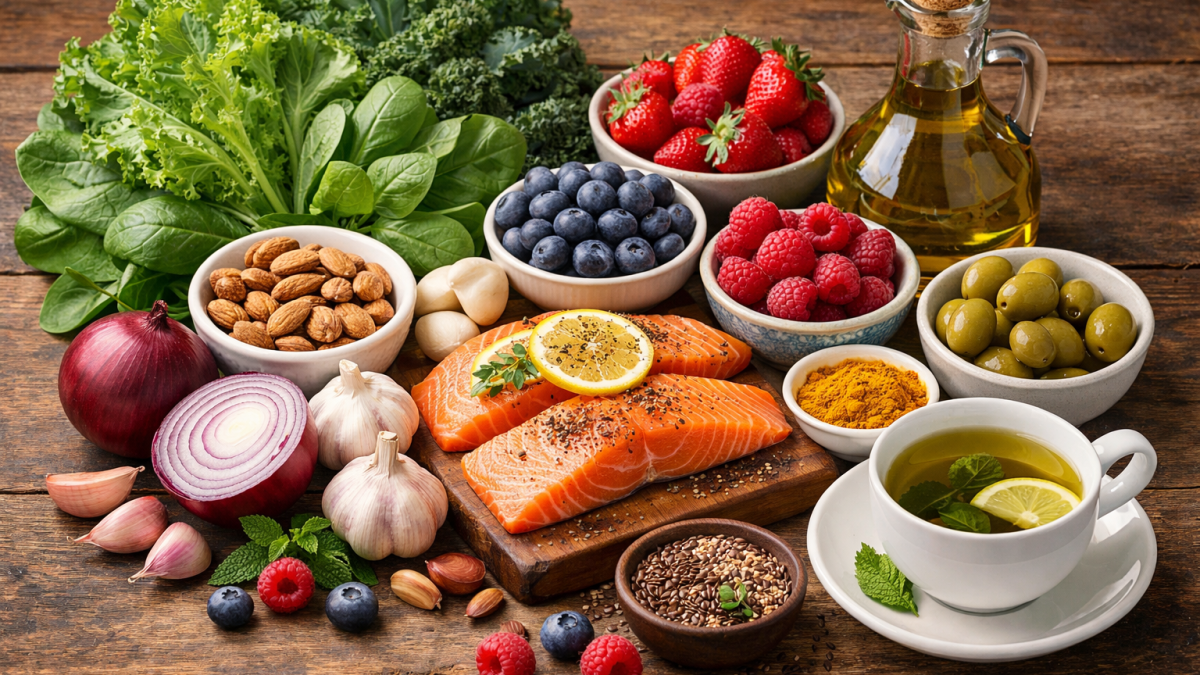
To ensure adequate vitamin A intake, it’s important to know its main dietary sources. These are divided into two categories:
Sources of Retinol (Preformed Vitamin A)
Found in animal products, retinol is the active form of vitamin A. Good sources include:
• Liver: Especially beef liver, which is one of the richest sources.
• Eggs: The yolk is a good source.
• Dairy products: Whole milk, cheeses, and butter.
• Cod liver oil: A popular supplement.
Due to the risk of excess retinol and its potential effects on bone health, consumption of these sources should be moderate, especially in supplements.
Sources of Beta-Carotene (Pro-Vitamin A)
Beta-carotene is a precursor to vitamin A found in vegetables and fruits. The body converts it into vitamin A as needed, making it a safer option for regular consumption. Include in your diet:
• Dark green leafy vegetables: spinach, kale, broccoli.
• Orange and yellow vegetables: carrots, pumpkin, sweet potato, yellow bell pepper.
• Fruits: mango, papaya, apricot.
Consuming a variety of these foods ensures a safe and effective intake of vitamin A, enjoying its benefits without the risks of excess retinol.
Vitamin A Supplementation in Menopause: When and How?

The decision to supplement Vitamin A should always be individualized and guided by a healthcare professional. Although diet is the best way to obtain nutrients, in some cases, supplementation may be indicated.
Guidelines for Safe Supplementation
Conclusion:
Vitamin A, a Pillar for a Healthy Menopause
Vitamin A is undoubtedly a multifaceted and indispensable nutrient for women in menopause. Its benefits range from revitalizing the skin and protecting vision to maintaining bone health and strengthening the immune system. Understanding its role and the importance of balanced intake is fundamental to making the most of what it has to offer.
By prioritizing a diet rich in beta-carotene, consuming retinol sources in moderation, and seeking professional guidance for supplementation when necessary, women can transform vitamin A into a powerful ally. It not only helps alleviate the challenges of menopause but also contributes to a more radiant, healthy, and fulfilling life, allowing each woman to experience this phase with confidence and well-being.
This article is for informational purposes only; always consult a healthcare professional.
Scientific Studies:
Written and reviewed by: Dr. Vilma Mendonça
AI Images