
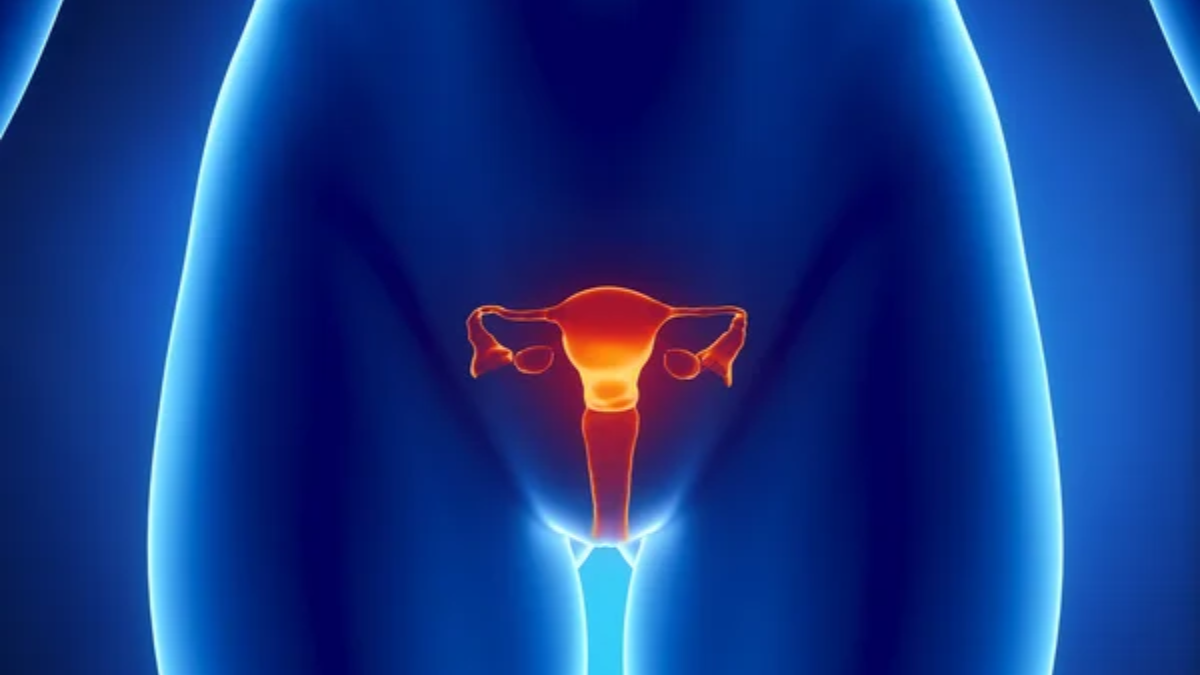
From a medical perspective, menopause is diagnosed after 12 consecutive months without menstruation, with no other underlying medical cause. This milestone marks the end of a woman’s reproductive years.
Menopause occurs due to a gradual decline in ovarian function, leading to reduced production of key hormones such as estrogen and progesterone, which play essential roles in female health.
It is important to distinguish menopause from the climacteric period. The climacteric includes the years before, during, and after menopause, when hormonal fluctuations begin and symptoms may appear.
👉 Related article: https://mariahchic.com/menopause/menopause-at-45
At What Age Does Menopause Usually Begin?
Most women experience menopause between the ages of 45 and 55, with the average occurring around age 50. However, timing can vary due to genetics, lifestyle, overall health, and previous medical treatments.
Some women enter menopause before age 40, known as early menopause, while others may transition later. These variations are normal but should always be evaluated individually.
The Stages of Menopause
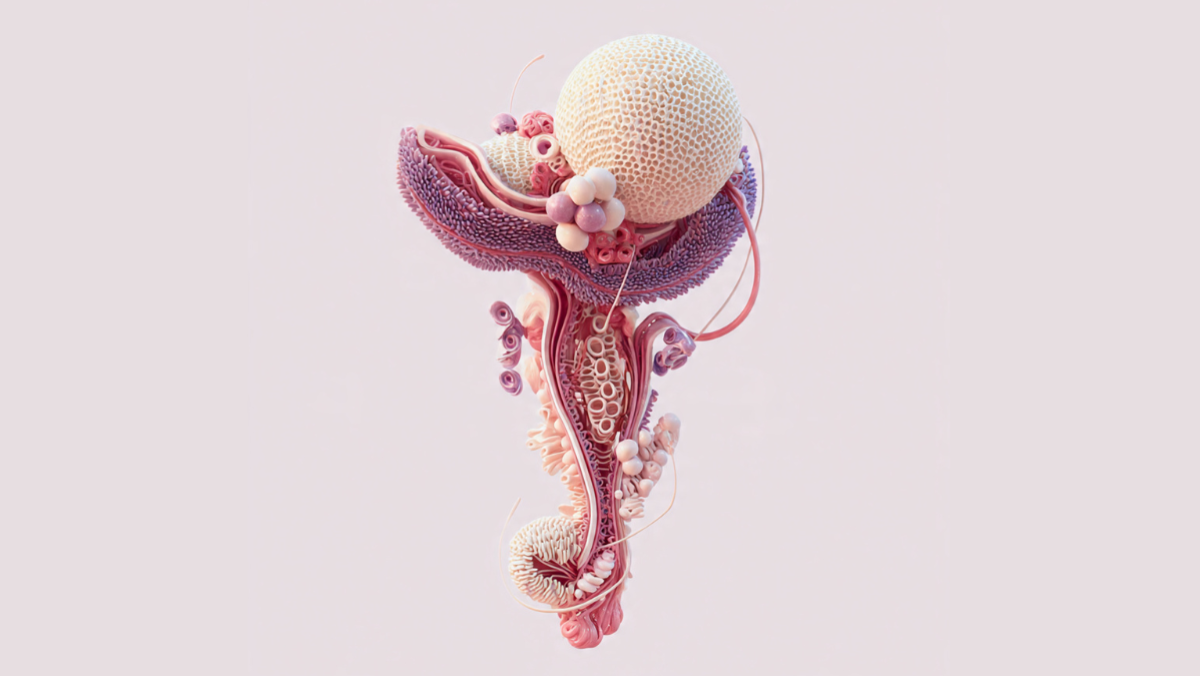
Perimenopause
This stage can begin up to ten years before the final menstrual period. Hormone levels fluctuate, cycles become irregular, and early symptoms such as hot flashes, sleep disturbances, and mood changes may appear.
Menopause
This phase is confirmed after twelve months without menstruation and is marked by a more pronounced hormonal decline.
Postmenopause
The stage following menopause, during which symptoms may stabilize, persist, or gradually improve. Long-term health considerations become especially important during this phase. 👉 Related article: https://mariahchic.com/menopause/menopause-vaginal-dryness
Common Menopause Symptoms
Menopause symptoms vary widely from woman to woman, but commonly include:
Hot flashes and night sweats
Insomnia and fragmented sleep
Anxiety and irritability
Mood swings
Persistent physical fatigue
Reduced libido
Vaginal dryness
Weight gain and changes in body composition
These symptoms are not signs of weakness. They are physiological responses to hormonal changes.
What Happens in a Woman’s Body During Menopause?
The decline in estrogen impacts multiple systems in the body, including:
Bone density
Muscle mass
Metabolism
Cardiovascular health
Neurotransmitters related to mood and emotional regulation
This is why menopause requires a comprehensive approach to health care rather than focusing on a single symptom.
What Happens in a Woman’s Body During Menopause?
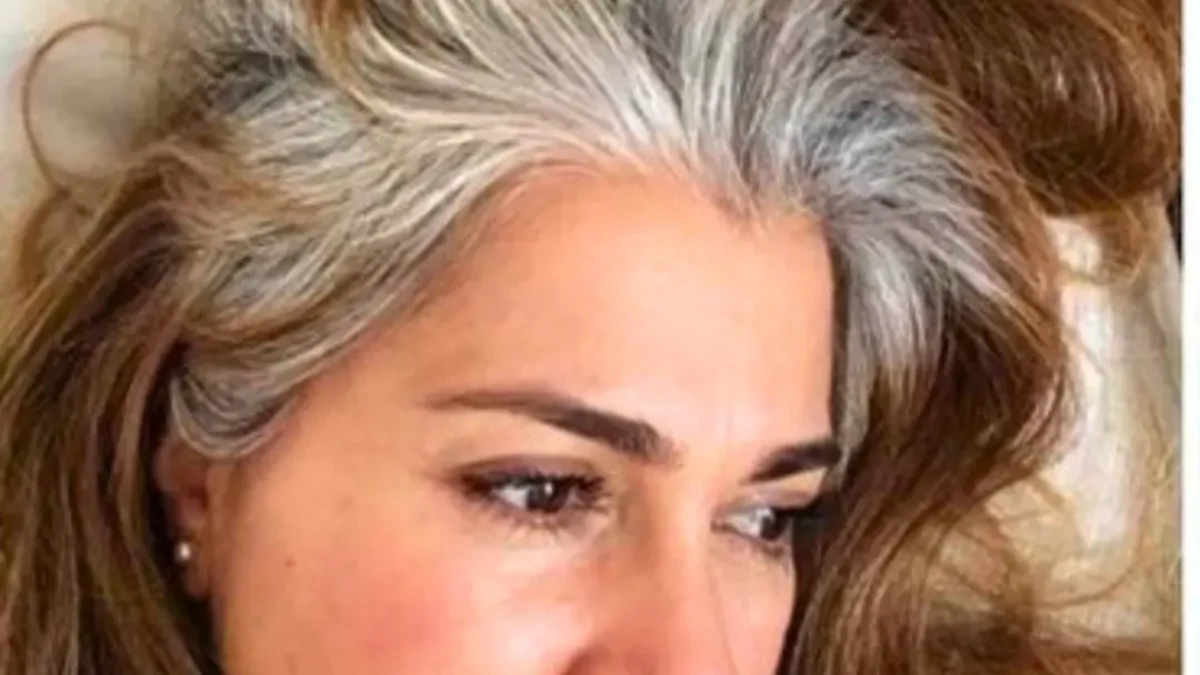
The decline in estrogen impacts multiple systems in the body, including:
Bone density
Muscle mass
Metabolism
Cardiovascular health
Neurotransmitters related to mood and emotional regulation
This is why menopause requires a comprehensive approach to health care rather than focusing on a single symptom.
Menopause and Mental Health
Many women experience increased anxiety, difficulty concentrating, emotional sensitivity, or low mood during menopause. These changes are strongly associated with hormonal fluctuations and life transitions commonly occurring at this stage.
Mental health support is just as important as managing physical symptoms.
👉 Related article: https://mariahchic.com/menopause/does-soy-increase-estrogen
When Should You See a Doctor?
Medical follow-up is essential to:
Monitor hormonal and metabolic health
Investigate persistent or severe symptoms
Develop individualized treatment strategies
Prevent long-term health risks associated with hormonal decline
Each woman’s menopausal journey is unique, and care should reflect that individuality.
Can You Maintain Quality of Life During Menopause?
Yes. With accurate information, medical guidance, and lifestyle adjustments, women can experience menopause with balance and vitality. Healthy nutrition, regular physical activity, restorative sleep, and emotional support all play crucial roles.
👉 Related article: https://mariahchic.com/menopause/menopause-and-libido
Conclusion
Menopause is not the end of vitality — it is the beginning of a new phase of life. Understanding what menopause is empowers women to make informed decisions, care for their health, and embrace this transition with confidence and dignity.
Scientific Studies
Menopause and women’s health: a comprehensive review
Published in 2018 – The LancetThe stages of reproductive aging workshop (STRAW +10): addressing the unfinished agenda of staging reproductive aging
Published in 2012 – Menopause: The Journal of The North American Menopause Society
Written and revised by: Dr. Vilma Mendonça
Photographs: Pexels



1 Comment
[…] https://mariahchic.com/menopause/what-is-menopause/ […]