
How to Reduce Inflammation and Musculoskeletal Discomfort During Menopause
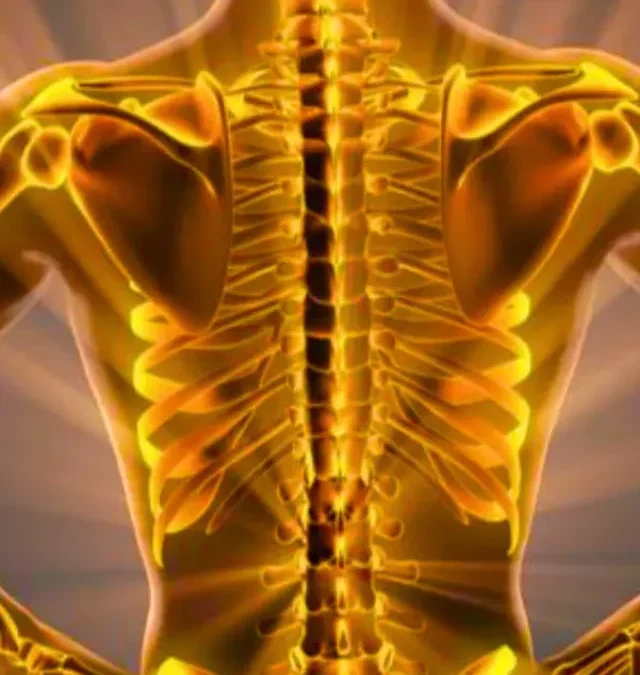
Pain during menopause is one of the most common complaints among women over 40. Headaches, lower back pain, foot pain, shoulder pain, hip discomfort, and generalized joint stiffness can significantly affect daily life, sleep quality, emotional wellbeing, and overall health.
Although common, menopause-related pain should not be ignored or normalized. In most cases, it is closely linked to hormonal changes especially the decline in estrogen which directly impacts muscles, bones, joints, and inflammatory pathways.
The good news is that natural and supportive strategies can help relieve pain safely and effectively, often reducing the need for frequent pain medications.
In this article, you’ll learn:
-
why pain increases during menopause
-
the most common types of pain
-
7 natural treatments to help reduce inflammation and discomfort
Why Does Pain Increase During Menopause?
As estrogen levels decline, several physiological changes occur:
Increased Inflammation
Estrogen has anti-inflammatory properties. When levels drop, inflammatory markers tend to rise, increasing musculoskeletal pain.
Muscle Loss (Sarcopenia)
Hormonal changes contribute to muscle mass loss, reducing joint stability and increasing strain on the spine, shoulders, hips, and knees.
👉 Related article:https://mariahchic.com/menopause/sarcopenia-in-menopause/
https://pt.pinterest.com/pin/1023231977852332764/
Reduced Bone Density
Lower estrogen accelerates bone loss, leading to deep aches and structural discomfort.
👉 Related article: https://mariahchic.com/menopause/bone-density-with-bone
Nervous System Sensitivity
Hormonal fluctuations can heighten pain perception, making discomfort feel more intense.
7 Natural Treatments for Menopause Pain

1. Anti-Inflammatory Nutrition
A diet rich in anti-inflammatory foods helps calm chronic inflammation and supports joint and muscle health.
Recommended foods:
-
omega-3 rich fish
-
olive oil
-
berries
-
leafy greens
-
nuts and seeds
Limit: sugar, ultra-processed foods, refined flours.
2. Low-Impact Physical Activity
Movement protects joints and reduces stiffness.
Best options include:
-
walking
-
Pilates
-
yoga
-
swimming
-
guided strength training
Sedentary habits tend to worsen pain.
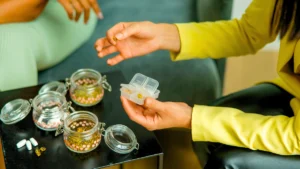
3. Evidence-Based Supplements
-
Omega-3: supports joint health and reduces inflammation
-
Vitamin D: essential for bones and muscles
-
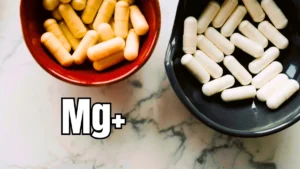
Magnesium: helps muscle relaxation and sleep quality
Always consider lab evaluation and professional guidance.
4. Herbal and Natural Therapies
Herbal compounds may support inflammation control and emotional balance.
Common options include:
-
turmeric
-
ginger
-
adaptogenic herbs
👉 https://www.youtube.com/watch?v=LK2Ll-p_NaE
5. Sleep as Pain Therapy
Poor sleep amplifies pain sensitivity. Improving sleep hygiene often leads to noticeable pain reduction.
6. Stress Management
Chronic stress raises cortisol, worsening inflammation and muscle tension.
Helpful practices:
-
meditation
-
breathing techniques
-
therapy
-
restorative activities
7. Individualized Hormonal Assessment
Every woman experiences menopause differently. Medical follow-up helps identify deficiencies and define personalized strategies.
Hormone therapy is not mandatory, but informed monitoring is essential. Look the link ->>
https://pt.pinterest.com/pin/1023231977852332764/
Conclusion
Menopause-related pain is common but not inevitable. With the right combination of nutrition, movement, supplementation, herbal support, sleep care, and medical guidance, it’s possible to reduce discomfort and improve quality of life during this transition.
Always seek medical advice; this article is for informational purposes only.
Scientific Studies
-
Musculoskeletal Pain and Menopause: A Systematic Review
Published in 2019 – Menopause: The Journal of The North American Menopause SocietyThis review analyzes the prevalence of musculoskeletal pain during the menopausal transition and highlights the role of estrogen decline in increased inflammation, joint pain, and muscle discomfort in midlife women.
-
Lifestyle Interventions and Non-Pharmacological Management of Menopausal Symptoms
Published in 2020 – Journal of Women’s HealthThis study discusses the effectiveness of physical activity, diet, stress management, and natural interventions in reducing pain, inflammation, and overall discomfort during menopause.
Written and reviewed by: Dr. Vilma Mendonça – Pharmacist
Image Bank – Pexels


3 Comments
[…] Reducing inflammation including the inflammation behind menopause belly […]
[…] 👉Related article: https://mariahchic.com/menopause/7-natural-treatments-for-menopause-pain […]
[…] Some women experience headaches for the first time during perimenopause, while others notice that pre-existing migraines become more frequent or more severe. In this article, you’ll learn why headaches happen during perimenopause, the most common symptoms, and how to manage them effectively. 👉 Related article: https://mariahchic.com/menopause/7-natural-treatments-for-menopause-pain […]