A New Era in Health and Wellness
Hormonal Monitoring and Technology
Hormones are vital chemical messengers that regulate essential functions like metabolism, mood, sleep, immune response, and reproductive health. Historically, hormone levels were measured through periodic lab tests, offering only a snapshot of a complex, dynamic system.
Today, technological innovations from wearable sensors to smartphone-powered hormonal analysis enable more frequent, data-rich, real-time hormone tracking outside of traditional medical settings. This shift empowers individuals and clinicians to gain deeper insights into hormonal patterns over time, driving more personalized and proactive health decisions.
The Rise of Technology in Hormonal Monitoring
Wearable Sensors and Non-Invasive Devices
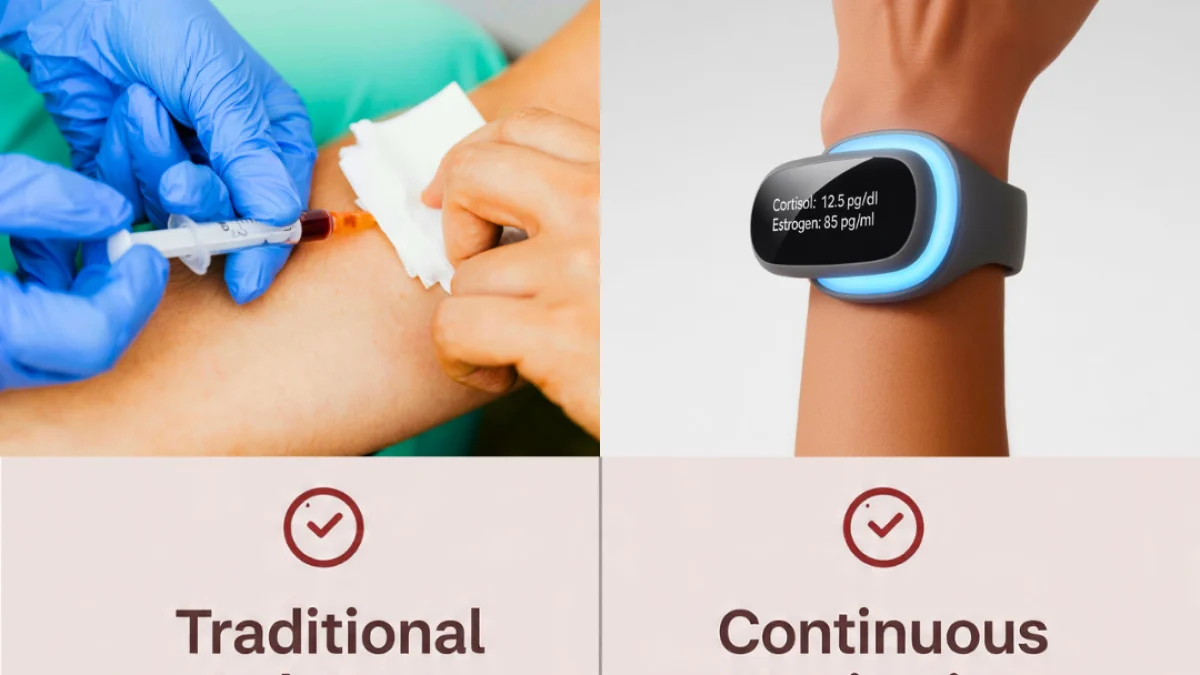
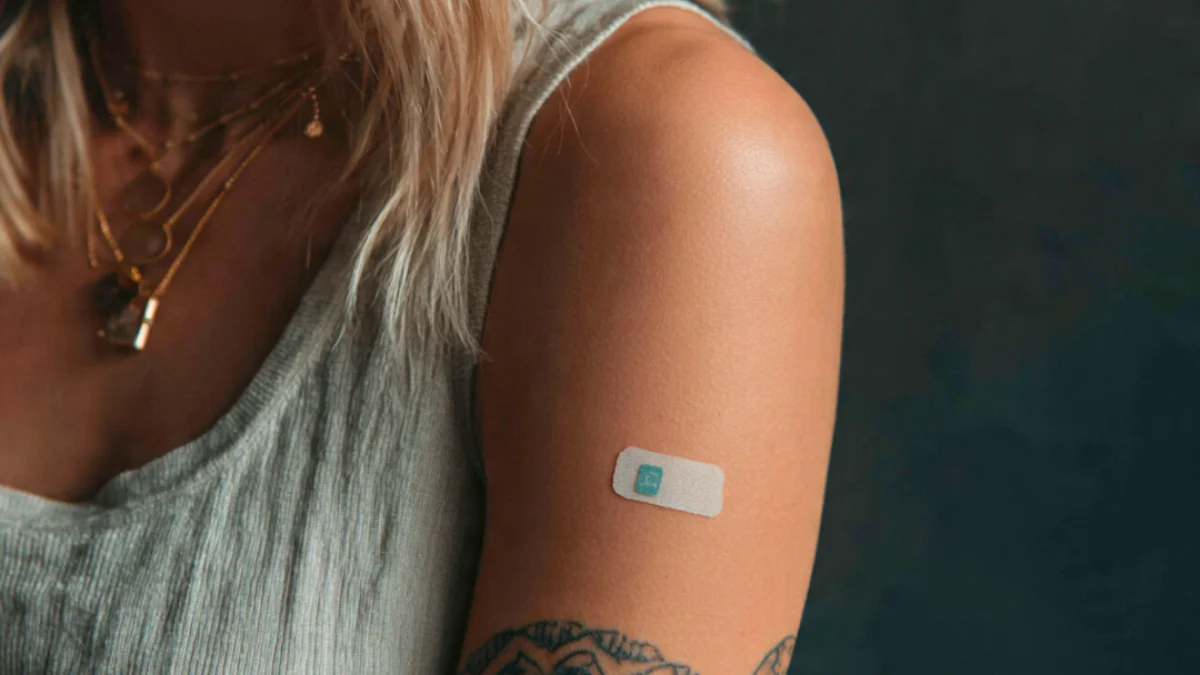
Modern hormone monitoring is increasingly shaped by wearable biosensors that can measure hormonal activity without invasive blood draws. These devices often use innovative biochemical detection techniques to analyze sweat, saliva, or other easy-to-collect samples.
Wearables enable continuous or frequent data collection, revealing hormonal fluctuations throughout the day and across life cycles in a way traditional lab tests cannot.
Smartphone-Driven Hormone Analysis
Smartphone-based devices have emerged that allow users to collect hormone samples (e.g., saliva) and receive instant readings via intuitive mobile apps. These systems combine microfluidics and AI-powered data interpretation, delivering results that are practical, fast, and closer to lab quality all from home.
This shift democratizes hormonal data, making it accessible for everyday wellness tracking, stress management, and reproductive health monitoring.
Health Apps and Hormonal Symptom Tracking

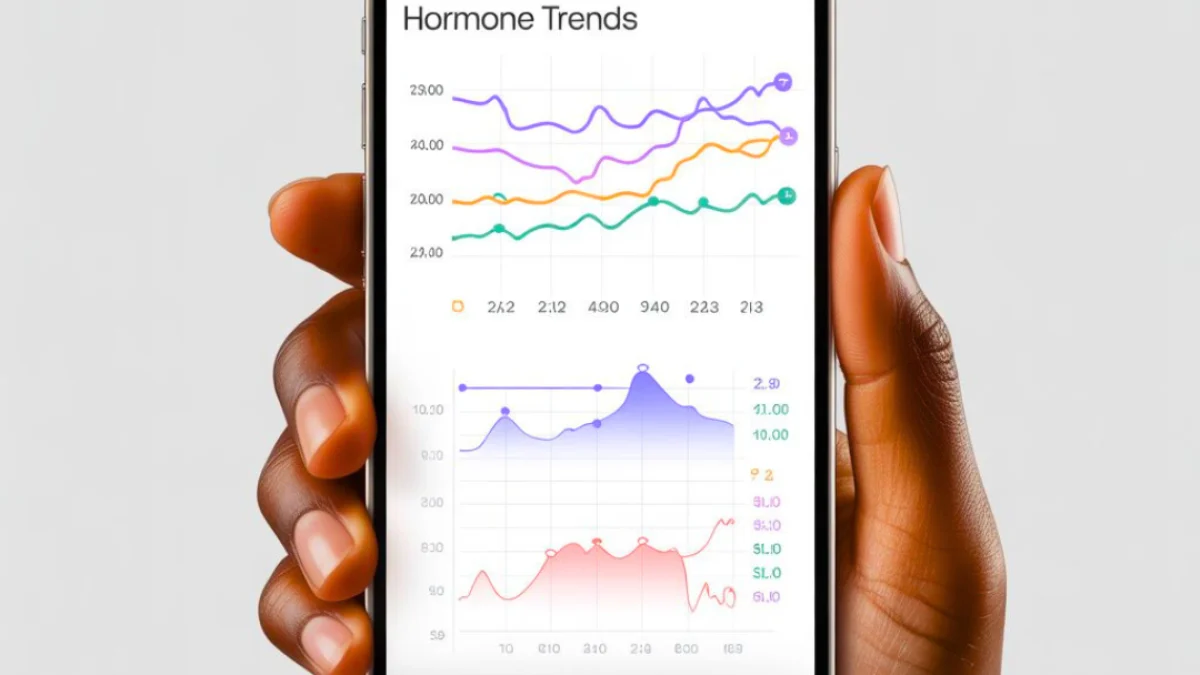
Digital health apps now let users log symptoms, cycle data, hormonal changes, medication, and lifestyle factors. These platforms synthesize personal inputs with hormonal patterns to provide visual trends and actionable feedback. By integrating with wearable data, apps enable users to spot correlations they might otherwise miss, boosting health literacy and self-management.
Key Applications of Hormonal Monitoring Technology
Women’s Reproductive Health
Hormonal fluctuations are central to female reproductive physiology, influencing menstrual cycles, fertility windows, and menopause transitions. Wearables and connected devices help capture detailed hormonal profiles, making it easier for individuals and healthcare providers to understand cycle variability and optimize reproductive outcomes.
These tools also enrich consumer awareness, helping people track symptoms and make informed lifestyle or treatment decisions based on hormonal signals.
Stress, Mood, and Mental Wellness
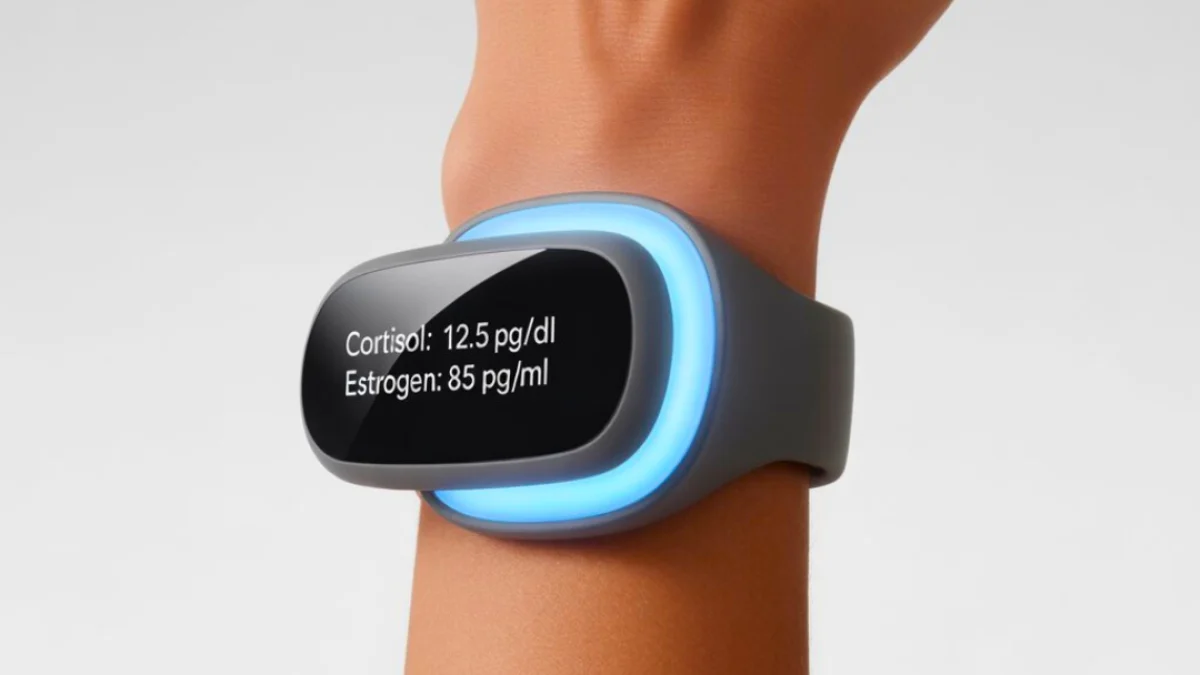
Cortisol commonly known as the stress hormone affects everything from energy to mood regulation. Continuous or frequent cortisol tracking allows people to better understand stress triggers and physiological responses, enabling targeted interventions for improved mental wellness.
Metabolic and Endocrine Health
Beyond reproduction and stress, hormonal balance plays a key role in metabolic and endocrine stability. Innovative hormone-monitoring solutions are being explored that offer continuous inputs (similar to glucose monitors) and deeper insights into conditions like thyroid disorders and adrenal imbalances.
Benefits of Advanced Hormone Monitoring Technology
Rich, Real-Time Data: Traditional lab tests capture a moment; tech-enabled monitoring reveals trends over time.
Empowerment and Accessibility: Users gain autonomy over health insights, reducing reliance on sporadic doctor visits.
Data-Driven Decisions: Consistent hormonal data can inform personalized interventions, therapies, and lifestyle changes.
Preventive Health: Trend tracking can alert users to irregularities earlier, facilitating timely clinical support.
Challenges and Ethical Considerations
Accuracy and Clinical Validation
While device innovation is exciting, not all tools are clinically validated at the same level as traditional diagnostic tests. Ensuring accuracy, reliability, and regulatory approval remains a priority for broader medical adoption.
Data Privacy and Security
Hormonal health data is deeply personal. Developers and health platforms must adopt stringent data protections and transparent privacy policies to safeguard users’ sensitive information.
Interpretation and Guidance
Raw hormonal data without expert context can be misleading. Technology should ideally pair insights with educational guidance or easy access to healthcare professionals to ensure safe interpretation.
The Future of Hormonal Monitoring and Technology
The future promises even more advanced hormone sensors capable of measuring multiple hormones simultaneously. Combined with AI analysis, these tools may predict imbalances before symptoms onset and tailor health recommendations to each individual’s unique biology.
The ongoing convergence of endocrinology with digital technology signals a revolution in personalized health care one driven by proactive insights, richer data, and empowered users.
Conclusion:
This text is for informational purposes only. It does not express any personal opinion.
Always seek guidance from your doctor.
Scientific Studies
A wearable aptamer nanobiosensor for non-invasive female hormone monitoring
Publicado em: Nature Nanotechnology
Ano: 2024
Resumo: Estudo descreve um sensor vestível baseado em aptâmero para monitoramento não invasivo de estradiol através do suor, com alta sensibilidade e correlação entre suor e níveis sanguíneos.
Toward At-Home and Wearable Monitoring of Female Hormones: Emerging Nanotechnologies and Clinical Prospects
Publicado em: ACS Sensors
Ano: 2025
Resumo: Revisão sobre avanços em nanotecologias e sensores que permitem detecção ultrasensível e contínua de hormônios femininos em fluidos corporais, destacando potencial clínico e uso domiciliar.
Written and reviewed by: Dr. Vilma Mendonça – Pharmacist
Images – AI