
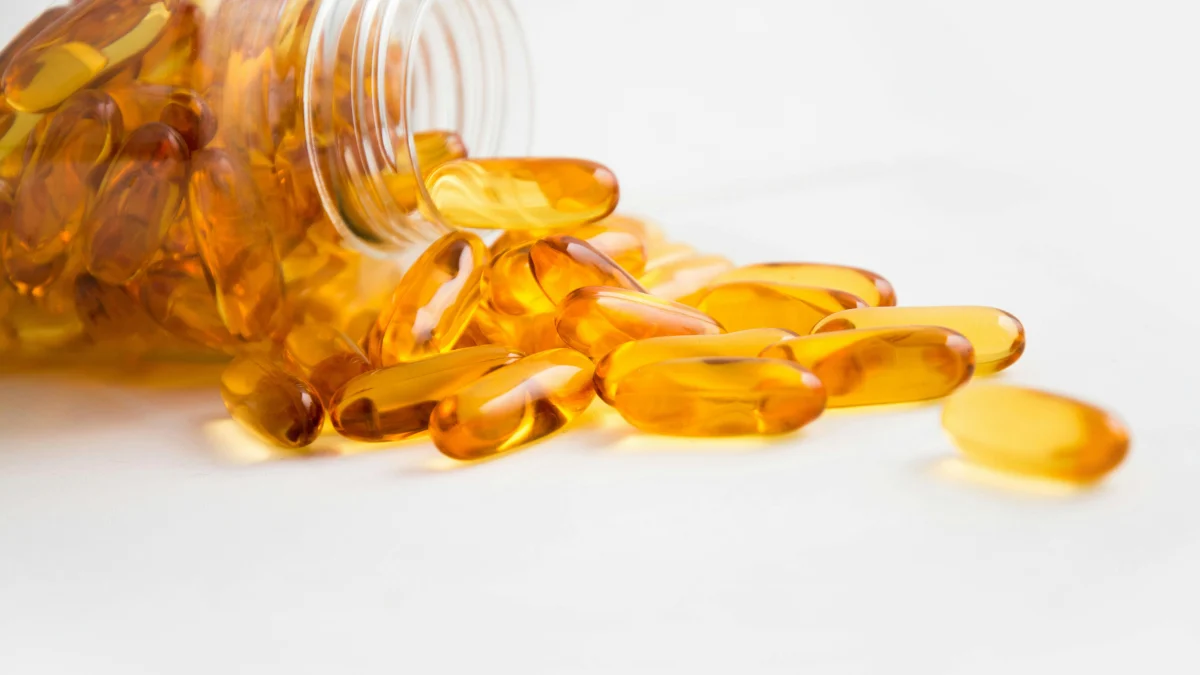
Many women begin to experience persistent joint pain, stiffness, fatigue, and unexplained inflammation during menopause. While hormonal changes are often blamed for hot flashes and mood swings, chronic low-grade inflammation is one of the most underestimated effects of declining estrogen levels.
Omega-3 fatty acids have gained increasing attention for their anti-inflammatory properties and potential role in supporting physical and emotional health during menopause. Understanding how Omega-3 works and how it may benefit women during this stage of life can help guide safer and more informed health decisions.
Why Does Inflammation Increase During Menopause?
As estrogen levels decline, the body loses part of its natural anti-inflammatory protection. Estrogen plays a role in regulating immune response, joint lubrication, and vascular health. When levels drop, inflammatory markers tend to rise, which may contribute to:
-
joint and muscle pain
-
stiffness upon waking
-
abdominal bloating
-
increased cardiovascular risk
-
fatigue and body aches
This inflammatory environment can significantly affect daily comfort and quality of life.
https://mariahchic.com/menopause/natural-anti-inflammatories
What Is Omega-3 and Why Is It Important?
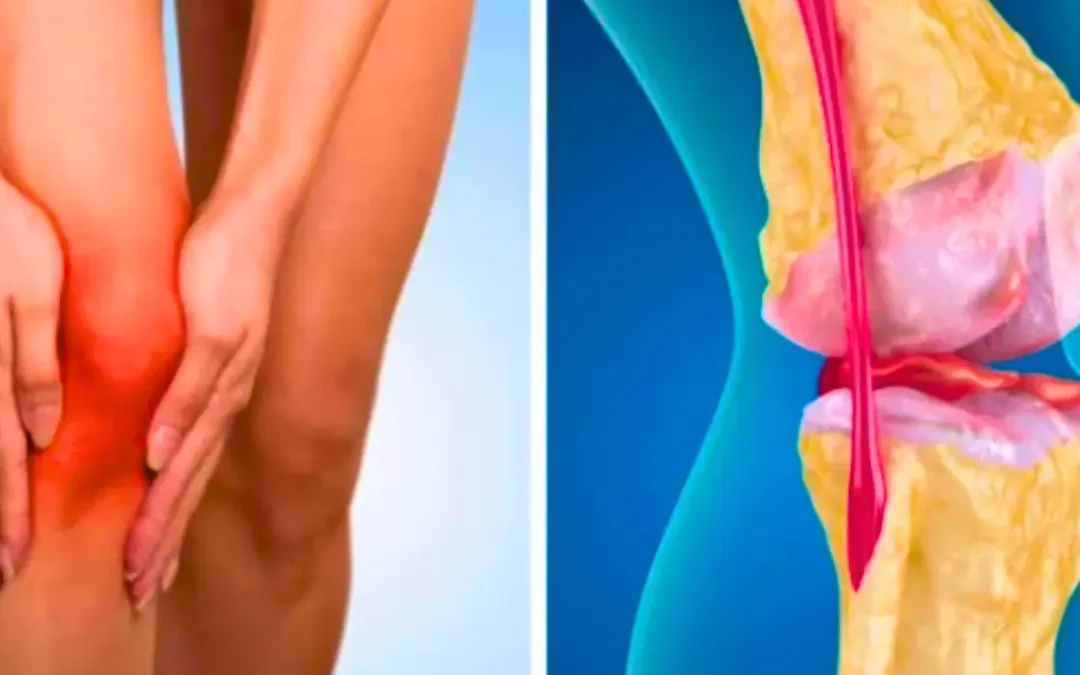
Omega-3 fatty acids are essential fats that the body cannot produce on its own. The most biologically active forms include:
-
EPA (eicosapentaenoic acid)
-
DHA (docosahexaenoic acid)
These compounds are known to:
-
modulate inflammatory pathways
-
support joint and muscle health
-
protect cardiovascular function
-
contribute to brain and emotional health
During menopause, Omega-3 may help counterbalance some of the inflammatory effects associated with hormonal decline.
https://pt.pinterest.com/pin/1023231977851919011
Benefits of Omega-3 for Women in Menopause
1. Anti-Inflammatory Support
Omega-3 helps reduce the production of pro-inflammatory molecules such as prostaglandins and cytokines. This mechanism may ease:
-
joint pain
-
muscle stiffness
-
generalized body inflammation
Many women report improved mobility and reduced discomfort with consistent use.
https://www.youtube.com/@menopausepharmacy
2. Joint and Muscle Health
With age and hormonal changes, connective tissues become more vulnerable to inflammation and degeneration. Omega-3 supports joint lubrication and may help slow inflammatory processes associated with conditions such as osteoarthritis.
3. Cardiovascular Protection
Menopause is associated with increased cardiovascular risk due to changes in lipid metabolism and vascular elasticity. Omega-3 contributes to:
-
improved lipid profile
-
reduced triglyceride levels
-
support for arterial health
This makes it particularly relevant during midlife.
https://pt.pinterest.com/pin/1119426051144716781
4. Emotional Wellbeing and Mood Support
Omega-3 plays an important role in brain structure and neurotransmitter function. Research suggests a link between Omega-3 intake and improved mood regulation, which may be helpful for women experiencing:
-
anxiety
-
emotional instability
-
low mood during menopause
👉Related article: https://mariahchic.com/menopause/natural-remedies-and-menopause-symptoms/
Dietary Sources of Omega-3

Omega-3 can be obtained through food and supplementation.
Natural food sources include:
-
fatty fish (salmon, sardines, mackerel)
-
chia seeds
-
flaxseeds
-
walnuts
However, dietary intake alone may not always provide therapeutic levels, especially during menopause.
Omega-3 Supplements: What to Consider
When choosing an Omega-3 supplement, consider:
-
EPA and DHA concentration
-
product purity and quality control
-
absence of heavy metals
-
professional guidance for dosage
As with any supplement, individual needs vary and should be evaluated by a healthcare professional.
👉Related article: https://mariahchic.com/menopause/joint-pain-in-menopause
Conclusion
Inflammation is a common but often overlooked aspect of menopause. Omega-3 offers a well-studied, supportive approach to managing inflammatory discomfort, joint pain, cardiovascular health, and emotional wellbeing during this life stage. When used responsibly and under professional guidance, it can be a valuable ally in menopausal health management.
Safety and Professional Guidance
Although Omega-3 is generally well tolerated, it may interact with certain medications or medical conditions. Women should always inform their healthcare provider before starting supplementation, particularly if they use anticoagulants or have chronic health conditions.
Scientific Studies
-
Omega-3 fatty acids and inflammatory processes
Published in 2016 – Journal of Lipid Research -
Effects of omega-3 supplementation on mood and inflammation in midlife women
Published in 2019 – Menopause: The Journal of The North American Menopause Society
Written and reviewed by: Dr. Vilma Mendonça – Pharmacist
Images – Pexels






2 Comments
[…] Omega-3 is one of the most studied and recommended supplements for brain health during menopause, playing an important role in neuronal function and cognitive performance.You can learn more about the specific benefits of Omega-3 during menopause. […]
[…] Hormonal fluctuations can also lead to fluid retention and swelling (edema) in the ankles and feet, which increases pressure and pain, especially at the end of the day.https://mariahchic.com/menopause/omega-3-during-menopause […]